Heavy Bag Exercises for Beginners: The Complete Guide to Getting Started Right
Before combinations. Before cardio that burns your shoulders. There is that first round facing the heavy bag, alone, not really knowing where to start. It is the most intimidating, and the most formative, moment. The bag does not judge: it takes everything, never hits back, and requires neither an opponent nor a club to get to work. It is the ideal tool for beginners, on one condition: train methodically, otherwise you will repeat the same mistakes for months. In this guide, we give you everything, in order: the equipment, the warm-up, the guard and footwork, the basic punches, five concrete exercises, a four-week training program and the mistakes to avoid. Enough to transform your first sessions into real progress.
Why the heavy bag is the ideal training for beginners
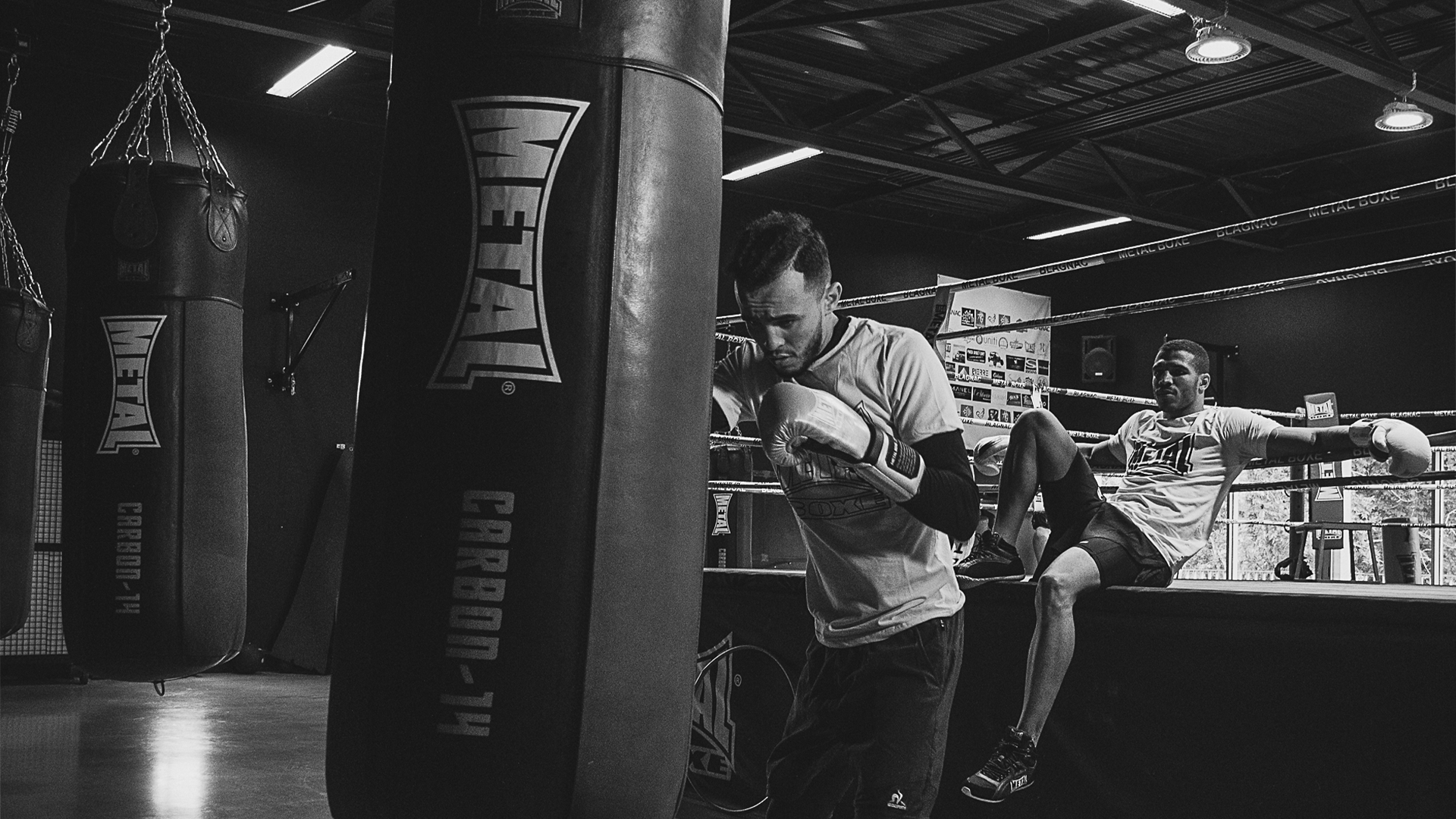
For a first step into combat sports, the bag ticks all the boxes. It is accessible: a corner of the garage, a stand, or a freestanding model is enough, without a gym or partner. It is complete: a good workout works cardio, endurance, coordination, power, footwork and precision, all at the same time. Its benefits go further than technique: punching raises the heart rate, improves fitness and remains an excellent way to relieve the stress of a day. And above all, the bag forgives: unlike sparring, a mistake does not pay with a return strike. You can therefore repeat a movement dozens of times until it becomes natural, gain confidence and improve your technique at your own pace.
The downside, you must know it: the bag does not correct. It validates both good and bad movements equally. Punch a hundred times with a broken wrist, and you anchor a hundred times a bad habit, in addition to tiring the joint. That is why we always start with the basics, from the first session: posture, technique, breathing. Punching power, on the other hand, comes by itself afterwards, whatever your starting level.
The equipment to start heavy bag training
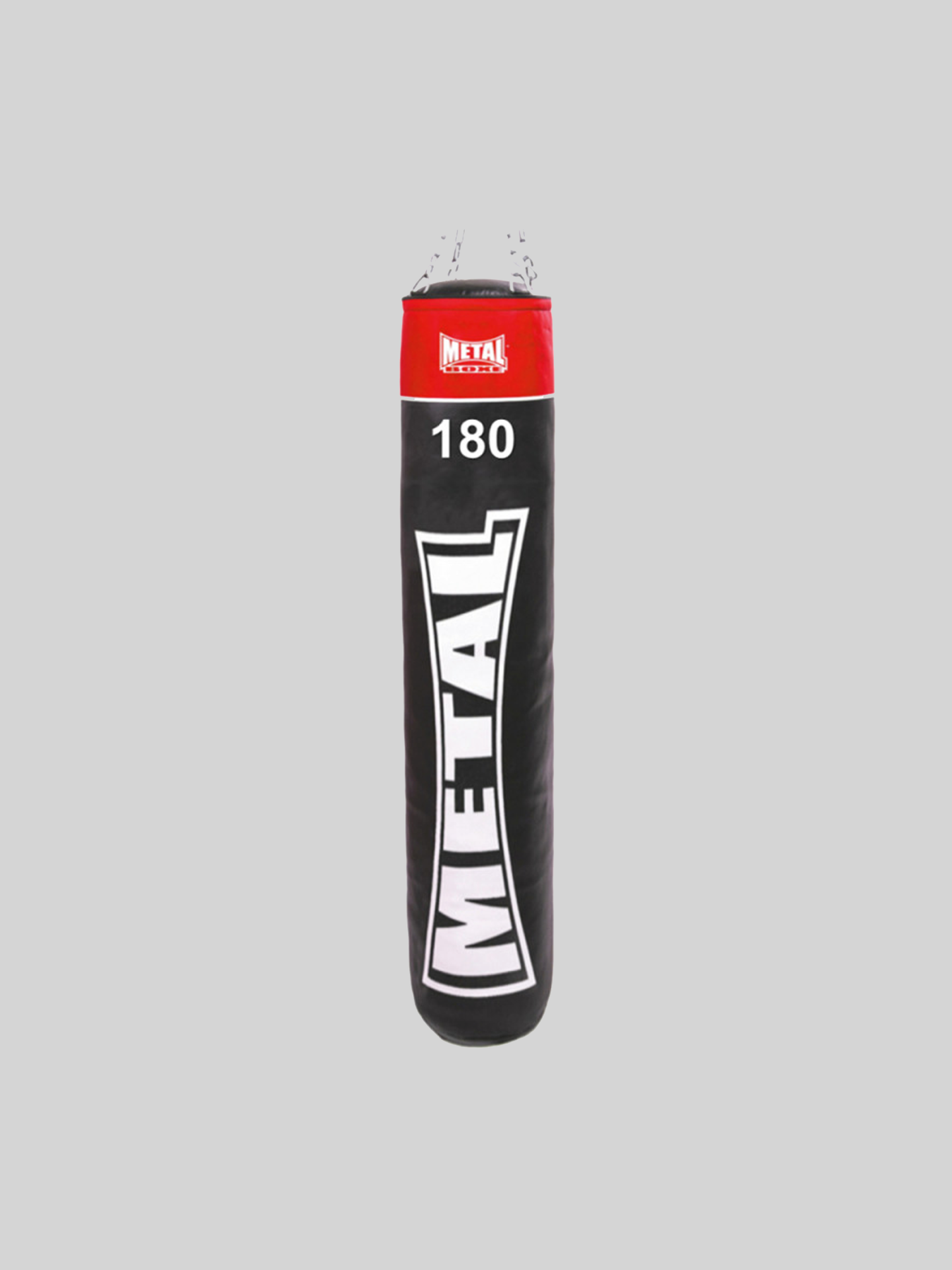
No need for a complete set of equipment to start, but three elements are non-negotiable. Boxing gloves first: for bag work, a beginner is comfortable around 12 to 14 oz, a weight that protects the hand without being too heavy over time. Oz (ounce) designates the weight of the glove, therefore its padding: the higher it is, the more protection and muscle work increase. Then, boxing hand wraps, too often neglected: they hold the joint and tighten the metacarpals, the area that takes the most when you still punch badly. Well wrapped, they transform your hand into a solid block and extend the life of your gloves.
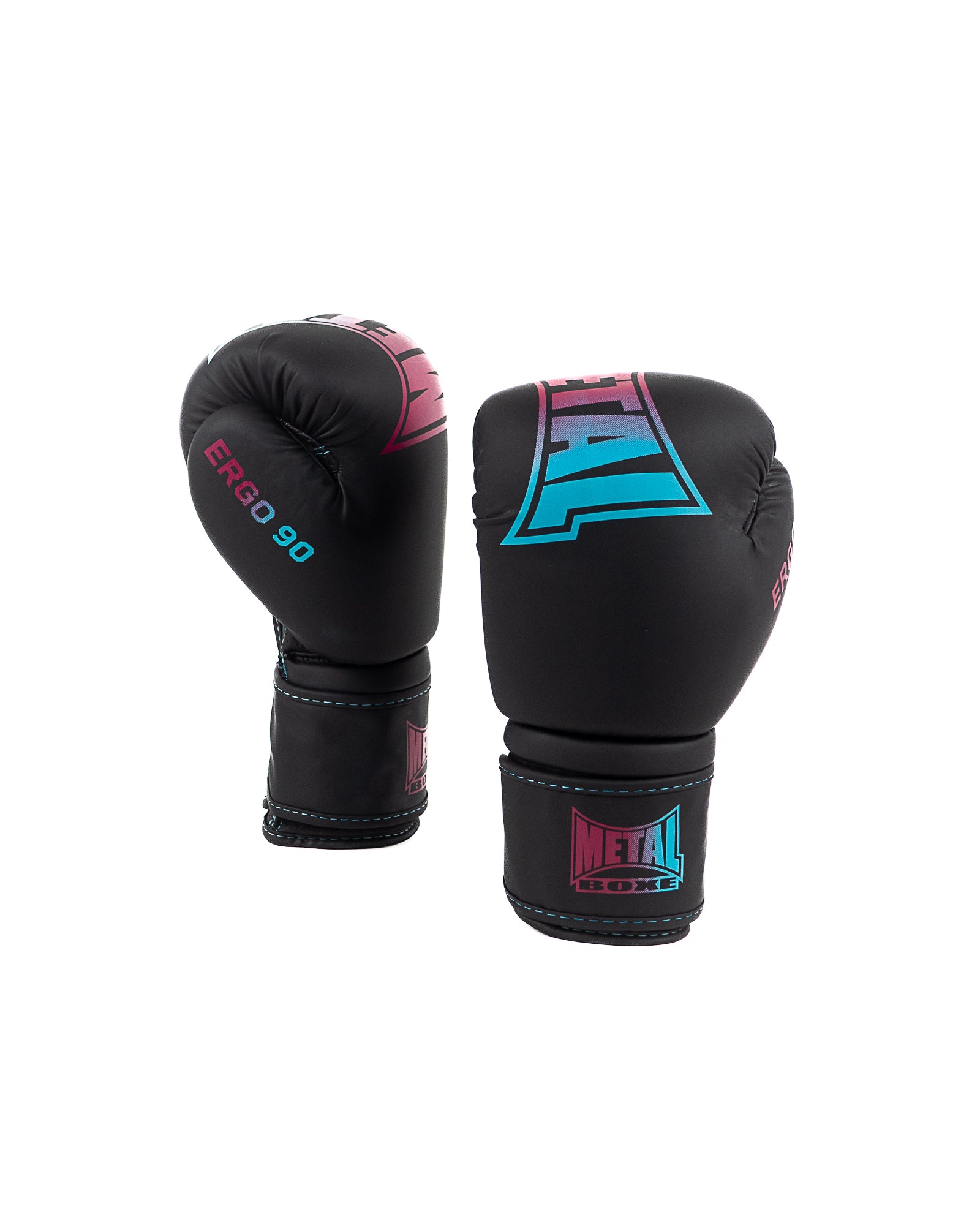
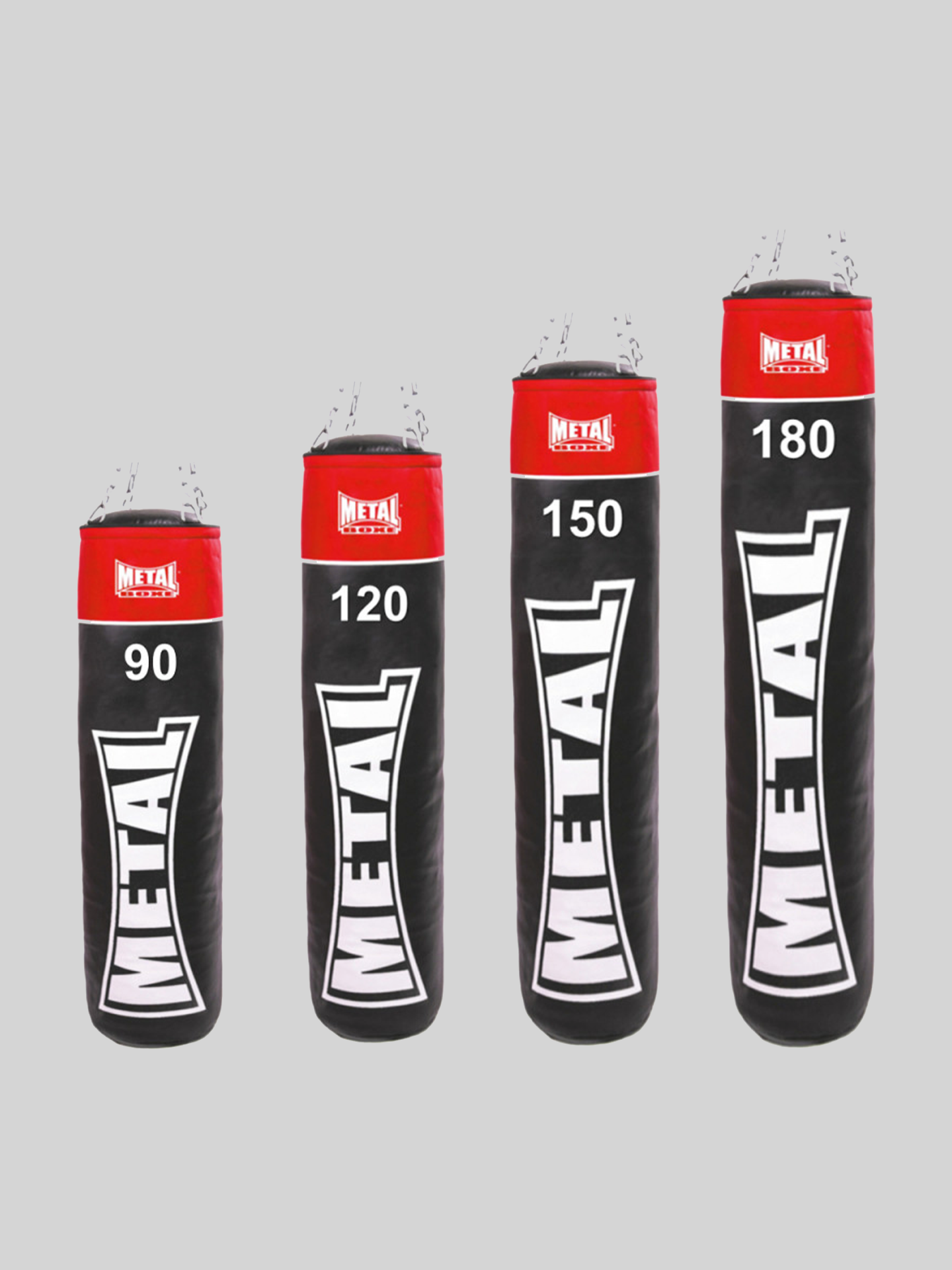
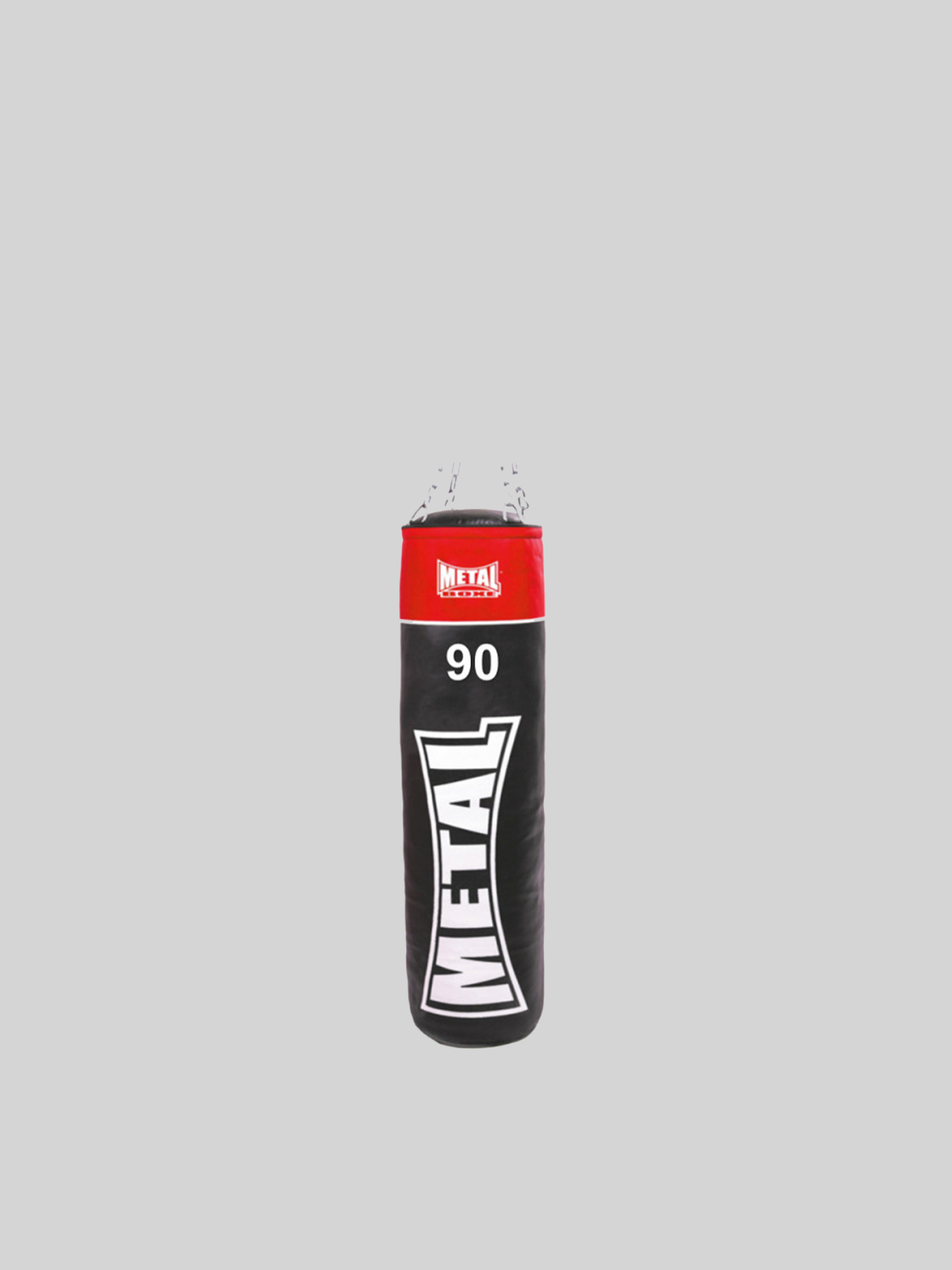
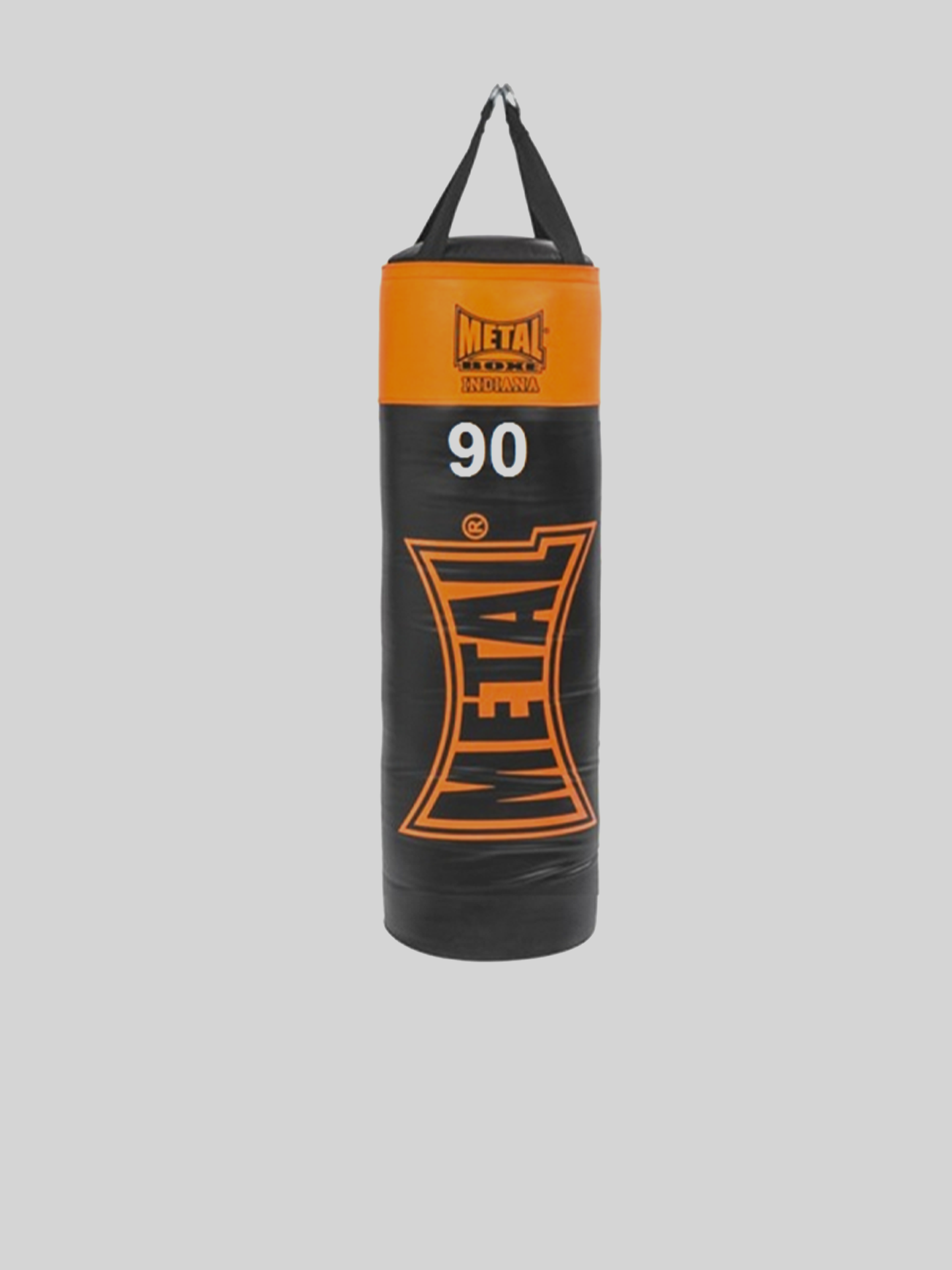
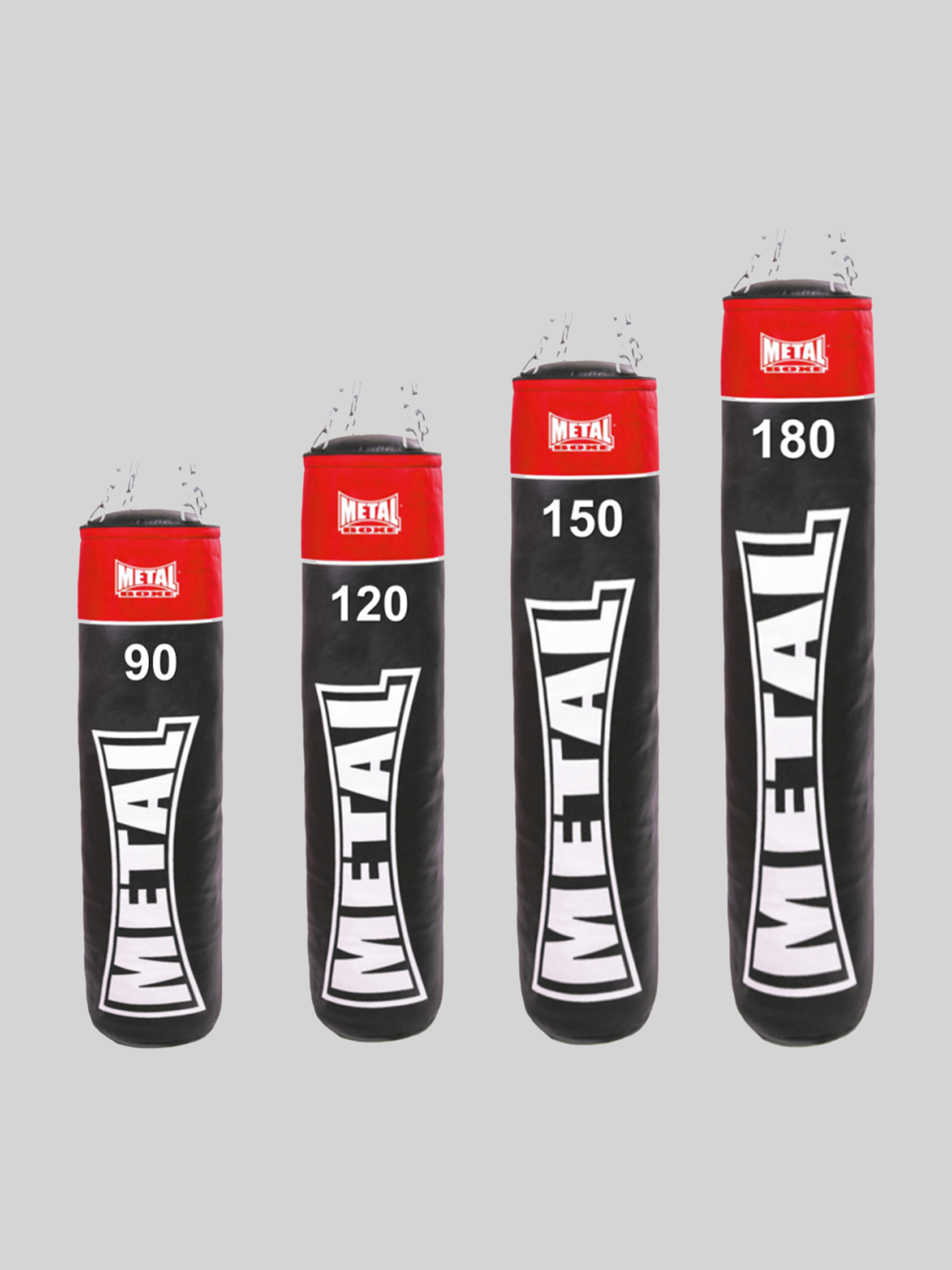
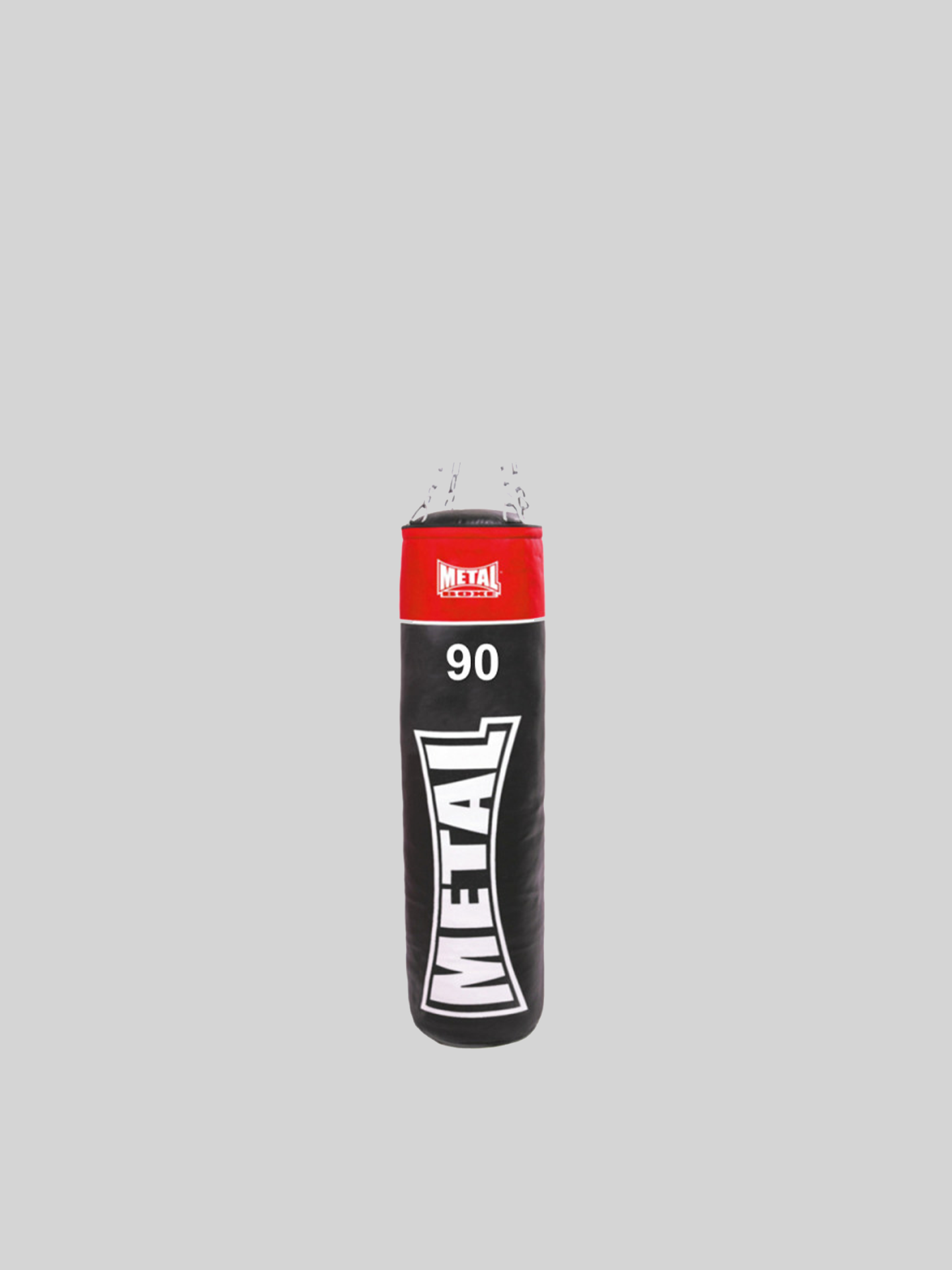
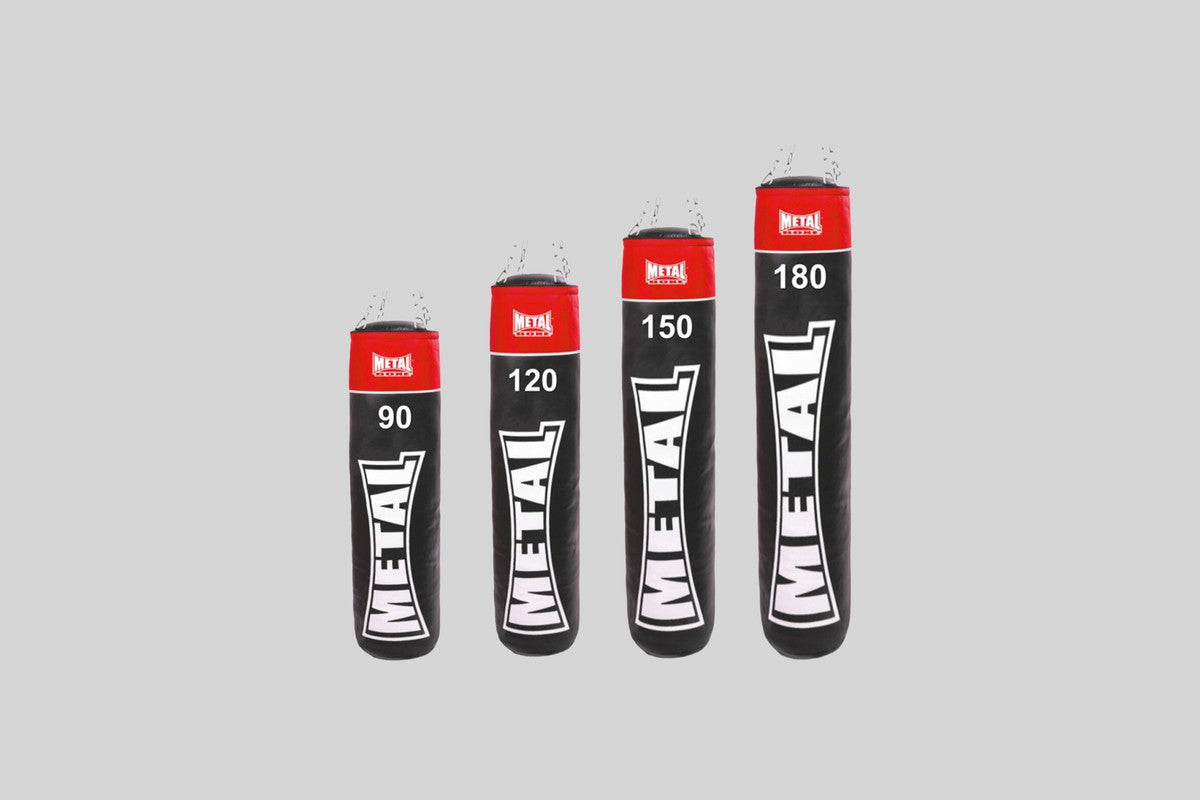
The bag, finally. We also talk about a punching ball, a heavy bag or a boxing bag, but two large families stand out: the hanging bag, which requires a solid anchor point (load-bearing ceiling or stand), and the freestanding heavy bag, freestanding, which is placed anywhere and moved, practical when you cannot fix anything. To start, aim for a model neither too soft (it collapses and teaches nothing) nor too hard (it hits back and tires the joint). A flexible outfit, a bottle of water, a towel, and you are ready. Each discipline its equipment, but to start, everything fits in a sports bag.
Warm up properly before bag training
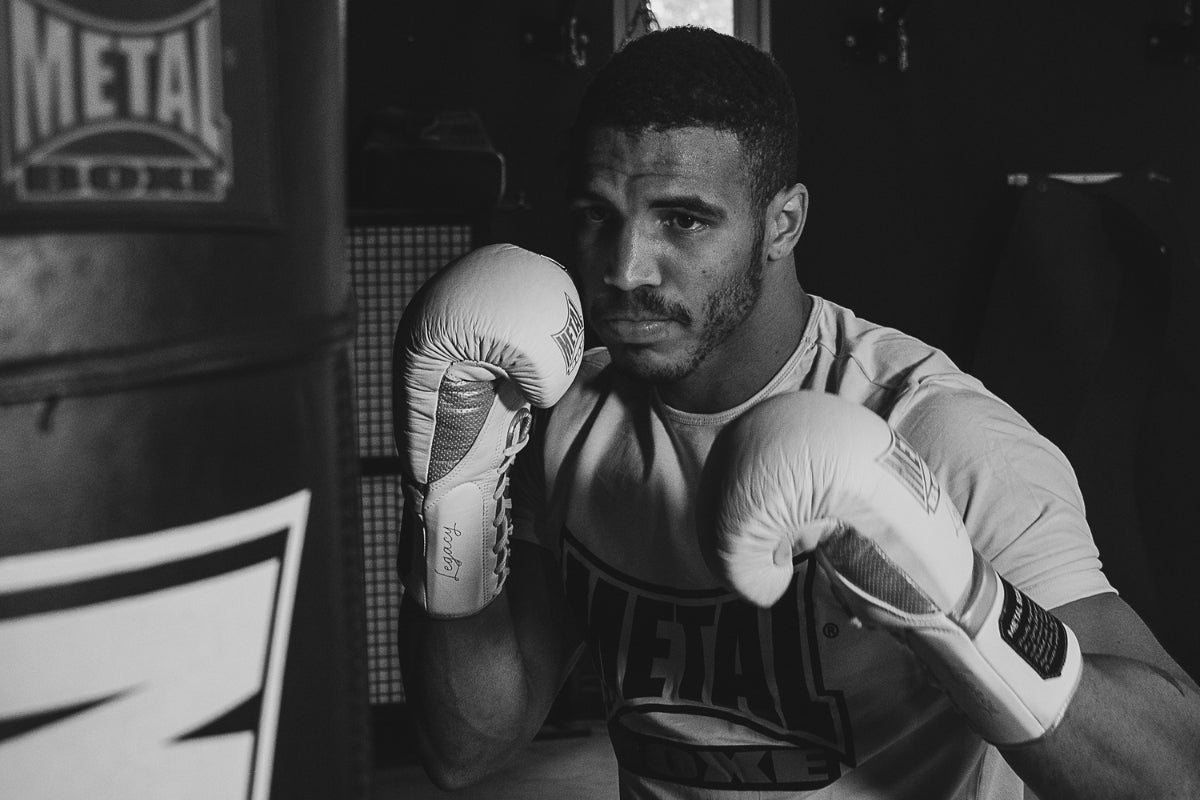
A punch comes from the feet, goes up through the hips and ends in the fist. In other words, it uses the whole body, and the whole body must be ready. Five to ten minutes are enough, but they are essential: a cold muscle does not handle the impact well, and an unprepared joint is the first to complain.
Always roll out in three steps. First, raise the heart rate: jump rope, knee raises or butt kicks for three to four minutes. Then, mobilize the joints that will work: rotations of the wrists, shoulders, pelvis and ankles, a few bends to wake up the legs. Finally, shadow boxing, boxing in the air: two to three minutes drawing your punches in slow motion to establish coordination before touching the bag. This last point makes all the difference, because it anchors the right movement while the body is still fresh.
The guard and footwork, the basis of boxing
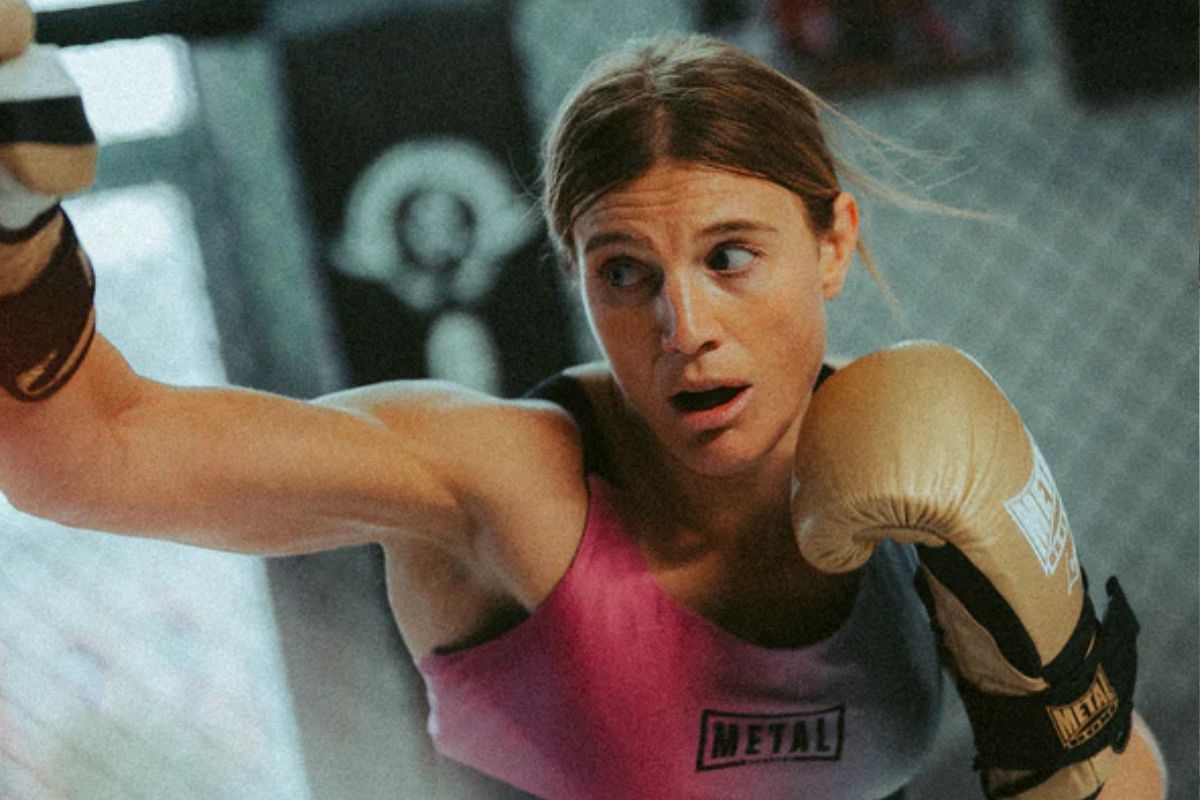
Before punching, stand up correctly, otherwise nothing will follow. The guard is the starting point of every punch: chin tucked, eyes over the fists, elbows close to the body to protect the ribs, hands at the height of the cheekbones. The feet are shoulder-width apart, one slightly forward, the weight distributed on the front of the supports to stay mobile. The back foot turns on the tip at each punch: it is what gives the strength, not the arm alone.
Then comes footwork, too often forgotten by the beginner. A boxer never stays planted: he turns around the bag, moves in small steps, always keeps his striking distance. You must touch the bag with the arm almost extended, never glued to it. Too close, your punches collapse and lose all power; too far, you only hit the void. The good reflex: move, hit, then return to guard, as if the bag could strike back. It is this back and forth that builds clean boxing.
The basic punches to work on the bag
No need for ten techniques to progress. Four punches are enough, and it is by repeating them slowly that you make them precise before making them powerful. For each, a technical point and the mistake not to make.
- The jab (straight from the front arm): the most useful punch, the one that measures the distance and opens all the others. Throw the right arm forward, the shoulder rising to protect the chin, and bring it back just as fast. The classic mistake: lowering the left hand on the return, which leaves the head exposed.
- The rear straight (the cross): the power comes from the rotation of the hip and the back foot, not the shoulder alone. You push the ground, the torso turns, the fist follows the line. The mistake: loading the punch by pulling the hand back, which makes it visible and slow.
- The hook: side punch, elbow at 90°, hit with the rotation of the body. Short and dry, in a left hook as in a right hook, never loading the arm far back.
- The uppercut: upward punch, legs slightly bent that give the impulse. We aim for the chin of an imaginary opponent, not the ceiling. The mistake: leaning forward, which unbalances.
Once these four punches are in hand, try to chain them in combinations and slip in a feint: a fake jab to open, then the real hard punch. The rule remains the same: technique and speed first, strength afterwards. A well-placed punch tires less and ultimately hits harder than a punch thrown with force.

Five exercises on the heavy bag to progress
Once the basics are known, we structure the work. Here are five effective exercises to draw from according to the goal of the day, from the most technical to the most physical.
- 1. Isolated technique. A single punch, repeated slowly, taking care of the trajectory and the return to guard. Ideal at the beginning of the session to anchor the movement. Try twenty to thirty repetitions per punch, then change.
- 2. Basic combinations. Chain two or three punches: jab-straight, then jab-straight-hook, then jab-straight-uppercut. The fluidity of the chain takes precedence over speed at the beginning.
- 3. Footwork around the bag. Move in a circle between each combination, keeping your supports and your distance. The bag becomes a mobile opponent, and you learn to hit while moving rather than planted in place.
- 4. Interval work. For cardio and endurance: 30 seconds of punches at sustained intensity, 30 seconds of active recovery, over several sets. It is what develops the breath specific to boxing and improves fitness.
- 5. Power work. Straight punches, less numerous, seeking the clean impact rather than the cadence, to develop punching power. Reserved for the end of the session, when the technique is warm and the joint well supported.
If you train with two, the strike pads perfectly complement the bag: they add the work of reflexes and precision on mobile targets, which a coach or a partner will quickly make you feel.
A heavy bag training program, week by week
Working in rounds structures the session and gets you used to the rhythm of the ring. Count rounds of 2 minutes with 1 minute of rest, then move to 3 minutes when the cardio follows. Two to three sessions per week are enough to progress significantly, provided you give the body time to recover between two. This simple routine suits both boxing and MMA or other martial arts: the kicks will be added later, but the hands are worked first.
| Week | Objective | Session content |
|---|---|---|
| Week 1 | Technique | Jab alone, then jab-straight, in slow motion. We seek the clean trajectory and the return to guard, not power. Dry expiration on each impact. |
| Week 2 | Chains | Three-punch combinations (jab-straight-hook, jab-straight-uppercut) and footwork around the bag. Moderate intensity so as not to sacrifice form. |
| Week 3 | Endurance | Interval work and a cardio round at the end of the session. It is the week where the breath starts to hold and where the intensity increases. |
| Week 4 | Putting into practice | Free combinations, movements, feints and a power round to finish. Technical rounds extended to 3 minutes. |
At the end of this program, the difference is clear: more accuracy, more endurance, more confidence and less unnecessary tension. It is the right time to lengthen the rounds or add a session and move up a level.
Beginner mistakes to avoid on the bag
They all look alike, and they cost dearly, in progress as in joints.
- Hitting with a broken wrist. It remains aligned with the forearm at the time of impact, otherwise the pain comes quickly. It is often what stops a beginner dead.
- Forgetting to breathe. You hold your breath, you exhaust yourself in one round. A dry expiration on each punch changes everything and gives rhythm.
- Glued to the bag and pushing. Keep your distance, hit and return to position, rather than pushing the bag with force.
- Lowering the guard while punching. The hand that does not punch remains high. On the bag it does not forgive, but in sparring even less.
- Aiming for strength before technique. The weight and power come by themselves once the movement is established. The opposite is never true.
Recovery, endurance and progress: the good benchmarks
Progressing is not only training, it is also recovering. Two to three sessions per week, with at least one day of rest between two, is a good pace for a beginner: the body assimilates the technique and the tendons adapt to the impact, new to them. Finish each session with a few minutes of light stretching of the shoulders, forearms and back, and remember to hydrate well. It is also advice that any coach would give: rest is part of the training.
To measure your progress, forget brute strength and observe three things: ease (do the movements become more fluid?), breath (do you hold the rounds without exploding?) and precision (do you hit the same area regularly?). When these benchmarks improve, increase the load in steps, never all at once. A boxer's tip to stay motivated: film yourself from time to time, it is the best way to see your progress and correct an aspect that escapes you.
Which heavy bag to choose to start
The right bag is the one that corresponds to your space and your practice, not the heaviest in the catalog. The hanging bag offers a more realistic movement but imposes a solid anchor; the freestanding model is placed and stored easily, ideal in an apartment or when you cannot drill anything. On the weight side, a bag that is too light goes in all directions and teaches nothing about distance: better a model that holds its position under punches. The filling also plays on the sensation at impact, more or less firm depending on the material.
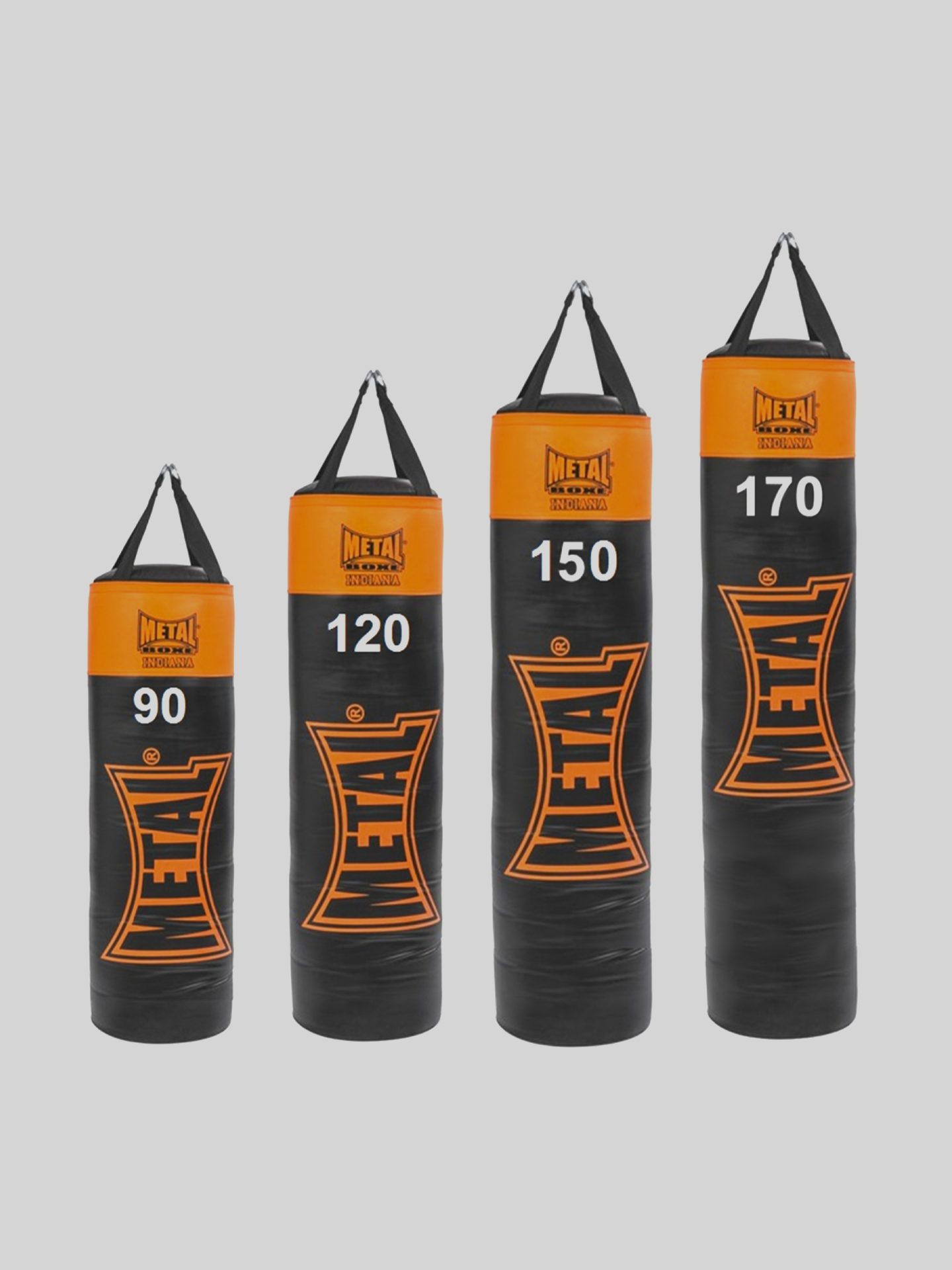
We detail the weight, the height, the anchor and the filling in our dedicated guides: how to choose and install your heavy bag and how to fill a heavy bag. Enough to start with a suitable model from the start, and avoid buying again in six months.
At Metal Boxe, we design combat sports equipment since 1999, tested in real conditions by our partner athletes. A bag, a pair of gloves, wraps, and a little method: it is all you need to start well. Each discipline its equipment, and each beginner their first round.