Which martial art should I choose?
Embarking on a combat sport or martial art is about fulfilling a physical, mental, or strategic desire. Some want to defend their integrity, others seek to let off steam in a supervised environment. Between boxing, judo, Krav Maga, Muay Thai, or even Brazilian jiu-jitsu, martial disciplines are plentiful. But how do you know which combat sport will suit you best? To do this, you'll need to choose based on your profile, goals, personality, or constraints. Here's an overview designed to help you make the best choice for you.
Which combat sport to choose based on your objective
Before putting on gloves or a kimono, ask yourself the right question: why do you want to practice a combat sport? Do you want to defend yourself in the street? Do you need to relieve stress? Or something else? Each martial discipline offers a different objective, a specific approach to the body and mind.
Some martial arts focus on pure technique and movement precision, such as karate, taekwondo, or Wing Chun. Others focus on full contact and powerful strikes, such as Thai boxing or full contact. Finally, practices like Krav Maga or self-defense meet very specific needs, close to real-life situations you might encounter in the street.
Which combat sport to choose based on your relationship with contact
The relationship to the body is central. Some practitioners will seek out distance combat more, while others want ground fighting. Here are the main families to guide your choice based on your preferences:
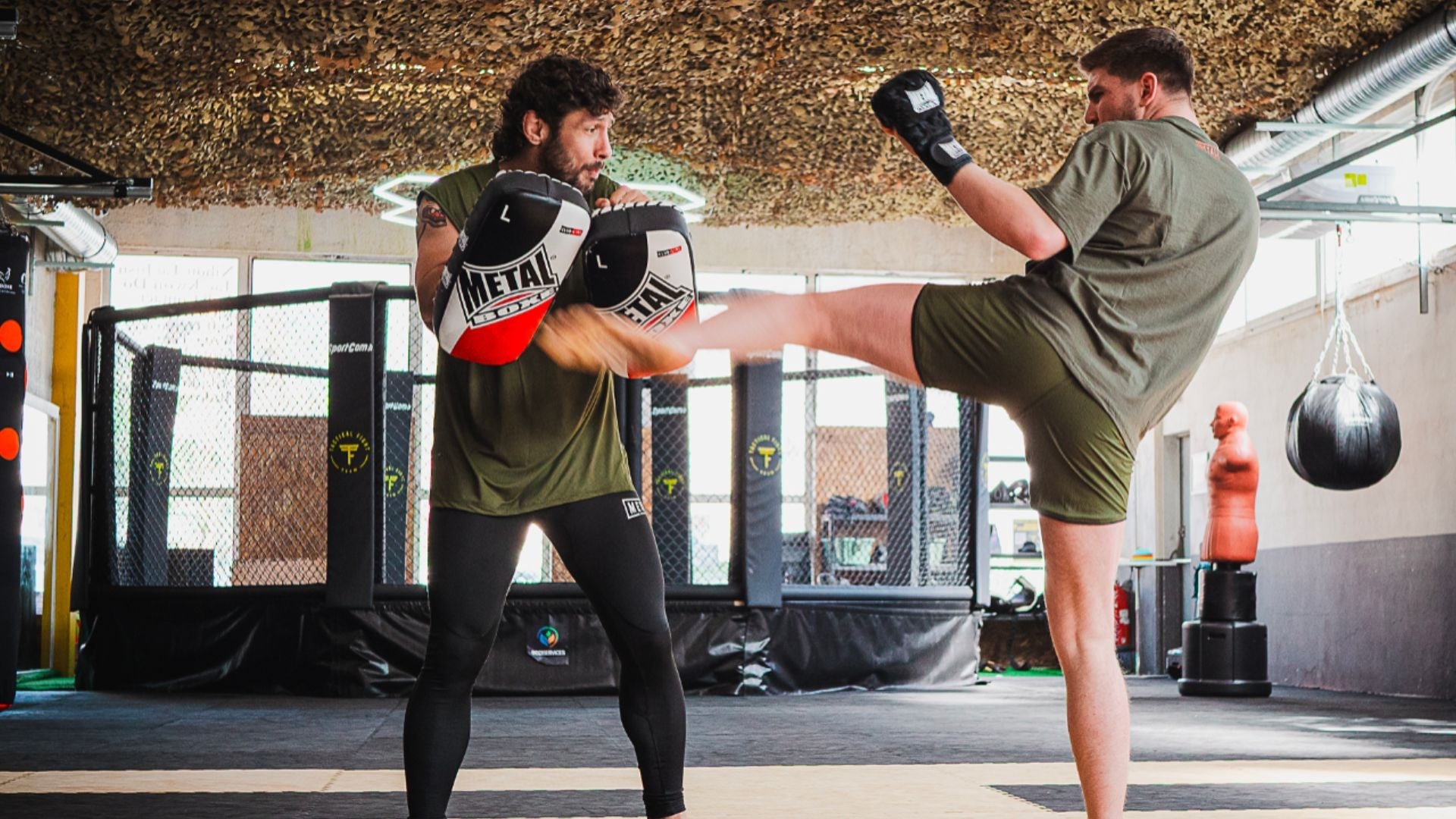
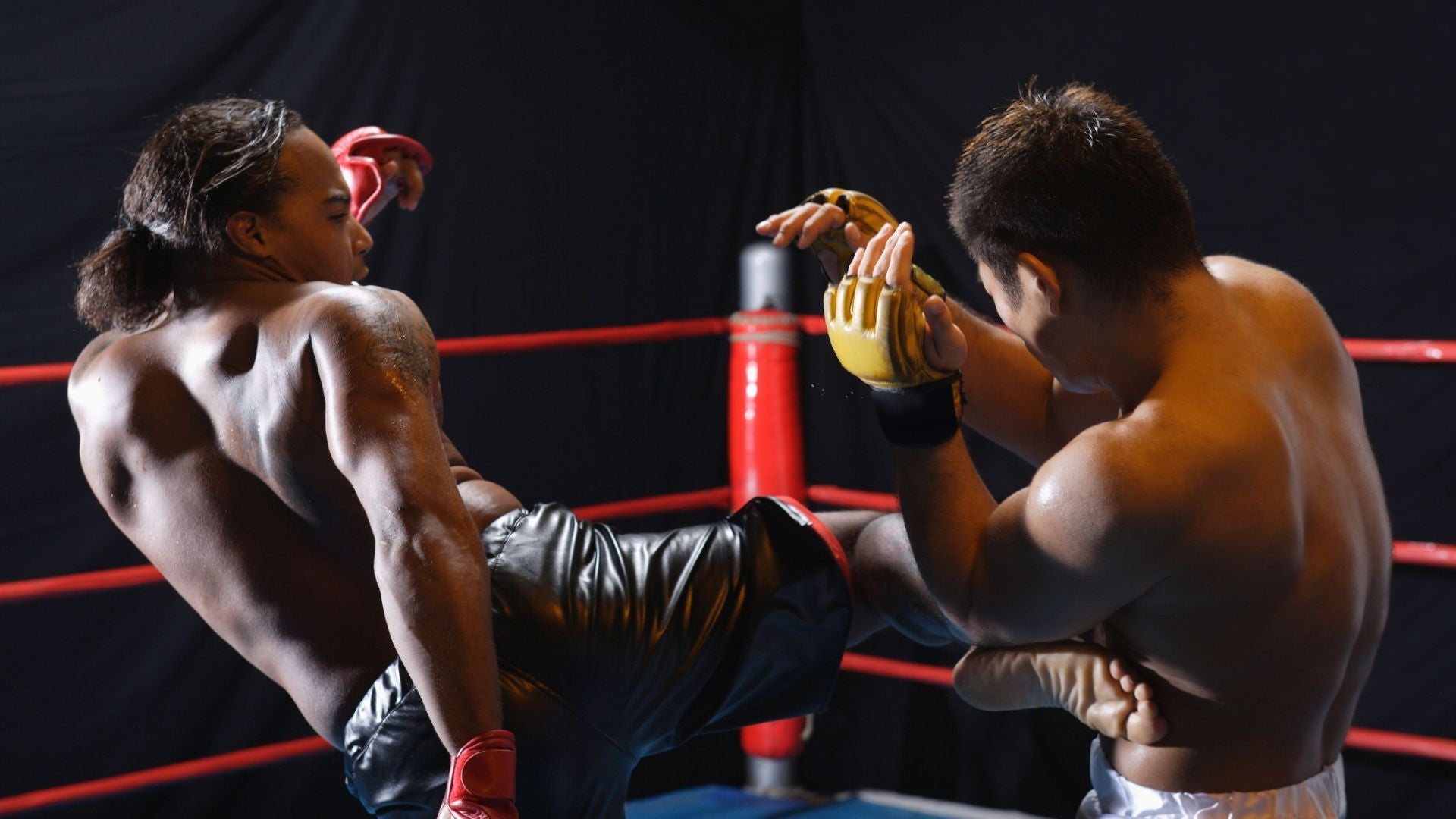
- Strikes (punches/kicks): boxing, kickboxing, full contact, Muay Thai
- Throws/submissions: judo, Brazilian jiu-jitsu, wrestling
- Mixed: MMA, free combat, which combine striking, ground fighting, grappling
If you don't like physical contact much but want to stay in shape and work on your mental game, disciplines like tai chi or traditional karate offer a structured, non-violent practice focused on personal development.
Self-defense: which combat sport to choose?
Personal defense is one of the main reasons practitioners turn to martial arts. Here, self-defense, Krav Maga, or certain forms of jiu-jitsu offer practical courses adapted to real situations (aggression, harassment, armed threat).
Krav Maga was designed for immediate effectiveness, with simple, fast sequences that can be used even under stress. It integrates strikes, grappling, disarmament techniques... Women's self-defense sometimes uses the basics of judo, boxing, taekwondo, or karate, depending on the club.
Which combat sport to choose based on your physical fitness

Each combat activity imposes a different physical intensity. If you're looking for a complete activity that works cardio, muscles, and breath control, consider:
- MMA, for the most committed
- Muay Thai, for those who want strong physical fitness
- Brazilian jiu-jitsu (slower but physically demanding on the ground)
Conversely, tai chi, traditional karate, or Wing Chun will be better suited for people who want to progress without violent impact, but with rigorous discipline.
Combat sport: which choice based on age and profile?
Children, adults, women, seniors, everyone can find a suitable practice environment.
- Children: judo, karate, taekwondo, to develop control, respect, structure
- Women: self-defense, boxing, Muay Thai with flexible progression
- Seniors: tai chi, kung fu, gentle disciplines, balance, flexibility
Combat sport: competition or personal practice?
Some want to learn to fight, others want to reach a competitive level. The philosophy changes. In MMA, judo, boxing, or taekwondo, French federations offer a clear framework, regulations, a hierarchy (e.g., black belt).
Conversely, certain mental practices or self-defense do not aim for competition. Just regular practice, without opposition, but with a real impact on self-confidence.
Which combat sport to choose to physically let off steam?
Striking combat, punching, bag work, shadow boxing, all of this helps release tension. To exert yourself while learning to channel your energy:
- Kickboxing: punches and kicks, sustained rhythm
- French boxing: technique, precision, control
- MMA: varied sequences, strong impact
Which combat sport to choose based on your personality?
Each discipline attracts a particular psychological profile. If you are calm, methodical, rigorous: karate, taekwondo, Wing Chun. If you are instinctive, explosive: Muay Thai, boxing, MMA.
Brazilian jiu-jitsu and wrestling will suit those who like to think in action, read their opponent, and master ground movements.
Which style of combat sport suits you?

Gestures, codes, and values vary by discipline. Shotokan karate emphasizes posture and precision. Muay Thai embraces a form of toughness, with full strikes. Brazilian jiu-jitsu relies on tactics, transitions, and submission.
Why is the choice of club as decisive as the choice of discipline?
A good club already means good equipment. But it also means an atmosphere of respect, a pedagogical teacher, and supportive partners. You progress at your own pace, you feel safe, even during contact phases.
You also need to choose your club based on the level you are aiming for! Some clubs are designed for beginners with homogeneous groups, adapted equipment, and gentle progression. Others cater to competitors, with an intense pace.
What equipment should you plan for depending on the chosen combat sport?
Each discipline has its material requirements. For boxing or kickboxing: gloves, shin guards, hand wraps. For Muay Thai: loose shorts, hand wraps, groin protector. For karate or judo: kimono, belt, sometimes a chest protector.
Well-fitting equipment, designed to adapt to all styles, makes all the difference on the tatami or in the ring. It protects, supports, and enhances sensations.
What regular practice of a combat sport changes for the body and mind
Combat sport transforms you. It strengthens your body (muscles, endurance, flexibility). It sharpens your mind: control, stress management, decision-making. Regularity also develops self-confidence, resilience, and a new relationship with the body.
Mistakes to avoid when starting a combat sport
Starting too hard, poorly equipping yourself, copying professionals, choosing an overly physical discipline without preparation: these are common mistakes. Take the time to test, listen to your body, observe classes, and ask your questions.
The right sport is the one you want to come back to, every week. Trust your feelings as much as your reason!