
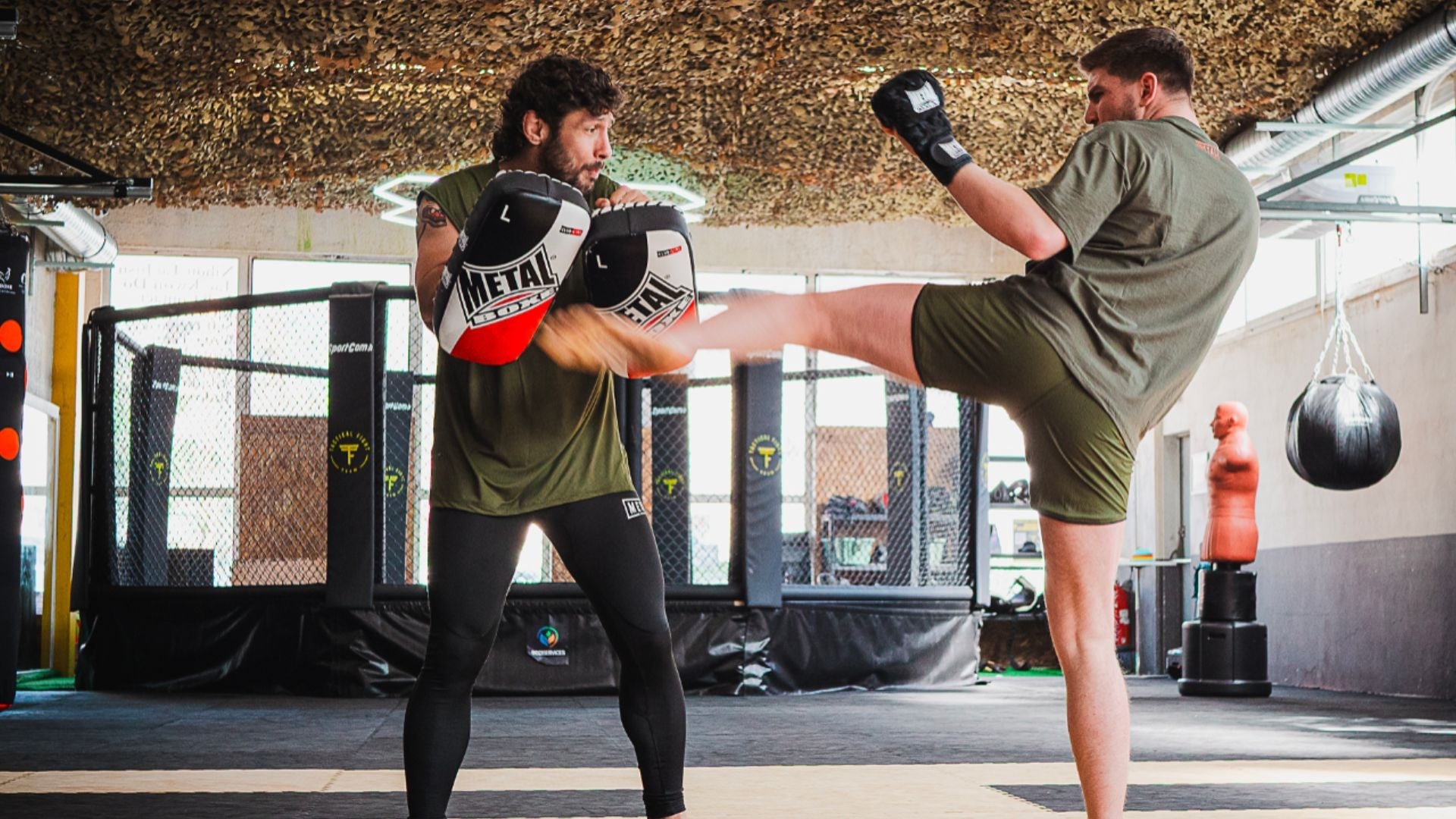
The Mental Benefits of Boxing
Boxing, a noble and athletic combat practice, offers multiple mental benefits. It impacts stress, self-esteem, confidence, and concentration. This article provides a rich and comprehensive overview of these positive effects, delivered in an energetic, passionate, and credible tone. Each sentence aims to provide tangible information. The keyword "the mental benefits of boxing" will be naturally integrated.
How Boxing Helps Better Manage Mental Stress
Stress management forms a virtuous cycle in boxing practice. Through intense striking, bag work, punching, and cardio sessions, accumulated stress finds a healthy outlet.
The release of endorphins promotes a sense of well-being and relieves tension. A boxing session dispels anxiety, reduces emotional tension, and strengthens the ability to handle pressure as a person learns to strike with precision. The immediate effect on the hormonal system creates stress relief and a lasting feeling of happiness.
Developing Self-Confidence Through Boxing Practice

Boxing offers a personal development tool. Every controlled punch, every technical improvement, with boxing gloves, boosts confidence and improves self-esteem. By training regularly, a practitioner sees their body, arms, legs, and muscles evolve. They build a healthy posture and realize they can train their mind. English boxing, Thai boxing, or Savate French boxing, all styles combined, demand discipline and rigor. The ring becomes a metaphor for daily life.
Immediate feedback on punches encourages progress. At each level, a boxer discovers themselves to be mentally stronger, emotionally better prepared to face their challenges.
Boosting Concentration and Self-Control with Boxing
Boxing demands concentration, coordination, and movement reading. Each combination requires coordination between arms, legs, and torso. Punches must not be thrown randomly. The practitioner learns to anticipate, read the opponent's rhythm, and adapt their strategy.
This mental discipline, acquired during classes, transfers to life: stress management during a meeting, better daily concentration, increased attention during a work session. The mind learns to stay focused, despite muscle fatigue. The technique encourages mental organization and clarity. This combat sport becomes a school for the mind, a way to acquire mental strength, resilience, and self-control.
Link Between Physical Strength and Mental Strength in Boxing
Boxing practice not only strengthens muscles (abs, back, hamstrings, quads, arms) but also impacts mental and physical health. Muscle strengthening combined with cardio burns calories and improves physical condition. This body transformation also affects the mind. A better physique boosts confidence. The mind gains resilience in the face of strong emotions.
Boxing helps develop a healthier body and a more stable mind. Regular sessions, measured intensity, and progressive training plans help maintain a high level over the long term. The overall effect: aligned mind and body, positive energy, discipline, psychological endurance.
Channeling Emotions with Boxing: Anger, Anxiety, Tension
Boxing helps process strong emotions. Whether it's anger, anxiety, or accumulated tension, striking a punching bag or working with a coach provides an outlet. The brain releases beneficial hormones. The practitioner feels immediate physical and mental release.
In a few rounds, anxiety decreases, tension dissipates. This combat sport becomes a kind of active therapy. The brain learns to relax. The mind becomes calmer. The person learns to channel their emotion through technical movement. They develop a more mature, balanced strength. This creates a lasting effect on crisis management or stress phases.
Creating a Healthy Mental Routine with Boxing Discipline

Boxing requires discipline and rigorous mental preparation. Each class begins with a warm-up, technical work, intensive rounds, and stretches.
Regularity transforms habit into a beneficial routine. The practitioner of French boxing, English boxing, Muay Thai, or kickboxing learns to plan their session. They structure their schedule: warm-up, boxing wraps, bag work, abs, shadow boxing, sparring, recovery. This mental organization extends into life: daily management, planning, objectives. Discipline leads to rigor, consistency, and mental strength. This type of training develops the ability to face life's challenges with calm and determination.
The Mental Effects of Boxing According to Age, Gender, and Level
Boxing adapts to everyone. For children, this playful physical activity helps develop coordination, respect, discipline, and confidence from a young age. For women, boxing promotes tonic muscle strengthening, better physical condition, but also mental autonomy and effective stress management.
For beginners and experienced practitioners alike, boxing offers an evolving plan: getting familiar with the bag, learning punches, progressing to sparring. Each person can adapt the intensity to their level. To start gently, boxing inner gloves offer excellent protection for the first strikes. The French federation offers supervised classes and clubs everywhere. This accessibility makes boxing beneficial for everyone, regardless of age, level, or goal—weight loss, confidence, concentration.
What Effects Boxing Has on the Brain and Mental Resilience
Boxing doesn't just develop the body. It impacts the brain: better concentration, faster decision-making, real-time adaptation to the opponent's movements. The nervous system is strengthened. Anticipation, defense, and counter-exercises reinforce mental plasticity.
Intense physical activity leads to improved mood, stress reduction, and better regulation of emotional cycles. The practitioner who chains rounds develops mental resistance, an ability to stay calm under pressure, and to bounce back after a mistake. Boxing headguards allow for practicing managing blows safely. All these effects contribute to improving psychological well-being and strengthening mental strength.
Why Boxing Permanently Transforms Practitioners' Minds
Adopting boxing today means investing in a long-term mental well-being tool. This complete martial art helps reduce anxiety, release tension, build confidence, improve concentration, and develop discipline.
This intensive but accessible sport offers visible results: weight loss, muscle strengthening, better posture, a clearer mind. It transforms daily life into an energetic routine. Boxing helps better manage life, with physical and mental alignment. Each session becomes a step towards a stronger version of oneself. "The mental benefits of boxing" is not a slogan: they are measured from the first session, consolidated with each round, each learned technique, each progress in the ring.