
Jump rope exercises: the figures and variations you should know
Once the basic jump is mastered, jump rope offers a wide repertoire of exercises to vary sessions and make progress. Each variation works a different quality, from pure cardio to coordination, and adds a bit more difficulty to the movement. This guide reviews the main jump rope exercises, from the simplest to the most advanced, with how to perform each and its benefit. If you are a beginner, start with our jump rope for beginners guide before tackling these variations.
The basic jump, the foundation of all exercises
The basic jump is the reference movement, the one upon which all variations rely. You jump with both feet together, taking off barely one or two centimeters, with the wrists turning the rope in a small circular motion. The back remains straight, the gaze forward, the elbows close to the body. Landing is done softly on the balls of the feet, with knees slightly bent.
Before attempting other exercises, you must be able to hold this basic jump for one to two minutes without catching the rope. This is the benchmark to which you return between two variations to recover and find your rhythm. A clean and steady basic jump is worth more than a botched trick: mastering the fundamental movement conditions everything else.

The alternating jump, to work on coordination
The alternating jump, or running step, consists of jumping from one foot to the other, as if you were running in place. With each turn of the rope, you change the supporting foot. This movement breaks the monotony of the basic jump, lightens the landing, and works on coordination between the legs and the rotation of the rope.
It is often the first variation to integrate after the basic jump, as it remains accessible while modifying the rhythm. You can perform it slowly to learn it, then accelerate to turn it into a full-fledged cardio exercise. The alternating jump can easily be slipped between two sets of basic jumps to vary a session.
High knees, an intense cardio exercise
High knees add intensity to the alternating jump: with each step, you bring your knee high toward your chest. The effort increases quickly, the heart races, and the thighs burn. It is one of the most effective jump rope exercises for cardio and calorie expenditure in a short amount of time.
It is better to practice it in short sequences, fifteen to thirty seconds, interspersed with the basic jump for recovery. Coordination requires a bit of practice, as you have to lift the knee while maintaining the rhythm of the rope. Once mastered, high knees become a tool of choice for interval training sessions.

The skier step and the jumped jumping jack
The skier step consists of jumping from one side to the other, feet together, as if crossing an imaginary line. It works on lateral footwork and core strength, two useful qualities in combat sports as well as in fitness. The movement remains close to the basic jump; only the displacement changes.
The jumped jumping jack repeats the movement of the famous gym exercise: with each jump, you spread your legs and then bring them back together, synchronizing with the rope. This variation adds work for the adductors and increases energy expenditure. Like all tricks, it should be practiced slowly at first, focusing on the movement before seeking speed.
The boxer step, for rhythm and footwork
The boxer step slightly shifts the weight from one foot to the other without lifting the knees, in a fluid and economical movement. It is the favorite jump of boxers to hold long sequences without getting tired, while working on rhythm and the lightness of their footwork. It allows you to jump for several minutes at a time during a warm-up.
This step serves as active recovery between two intense variations: you keep the rope in motion without forcing, until your breath returns. For a boxing practitioner, it reproduces movement in the ring, which makes it both a technical and specific exercise. It is a classic for rhythmic sessions to the sound of the rope.

The double jump, or double under, the exercise for advanced users
The double jump, called a double under, is the crown jewel of jump rope tricks. The principle: make the rope pass twice under your feet during a single jump. This requires a higher jump, a much faster wrist rotation, and precise timing. It is a demanding exercise, reserved for practitioners who are already comfortable with the basic variations.
To learn it, proceed in stages: a basic jump, then a double jump, then a basic jump again, without trying to string them together. Extend the series as the movement becomes more reliable. The double under features in many CrossFit workouts and develops explosiveness that few rope exercises can match. Patience remains key, as coordination takes time to develop.
The arm cross, a technical variation
The arm cross, or criss-cross, consists of crossing your arms in front of you as the rope passes over your head, then uncrossing them on the next jump. The rope then forms a loop that you jump through. It is a spectacular trick that works on arm coordination and timing, without necessarily requiring a higher jump.
You learn it by clearly marking the cross, with arms extended and hands passing far over each other to keep the loop open enough. Like the double jump, the cross is integrated in small doses into a series of basic jumps. These technical tricks maintain motivation by providing a learning objective beyond simple cardio.
Choosing your exercises according to your level and objective
Not all exercises are suitable for all levels. A beginner should focus on establishing the basic jump and the alternating jump before addressing tricks, while a confirmed athletic practitioner will quickly seek out the double jump and high knees for intensity. A coach or a group class can help correct technique and progress faster, especially on tricks that require timing and a good level of coordination.
The choice also depends on the objective. For high-intensity work and high expenditure, high knees and the double jump burn many calories, just like a running session, in a shorter time. To strengthen the legs and core, focus on grouped jumps and the skier step. The advantage of the rope lies in this variety: the same practice covers cardio, muscle strengthening, and coordination. A coach will tell you the same thing: ensure a good grip on the handles, which guarantees a fluid movement in all variations, regardless of your level.
How to chain exercises in a session
To build a varied session, alternate exercises by returning to the basic jump between each one. A simple example: two minutes of basic jumping to warm up, then one-minute blocks while varying the movement—alternating jump, high knees, skier step, boxer step—interspersed with thirty seconds of recovery. Finish with a few attempts at a double jump or a cross to work on technique while cooled down.
Always introduce one variation at a time, master it, then add it to your repertoire. This progression keeps sessions stimulating and advances coordination well after the first few weeks. These varied exercises combine benefits: the heart works at high intensity just like in running, the legs get toned, and calorie expenditure climbs. For an athletic practitioner, a few minutes of this repertoire are enough for a complete and effective workout. To structure all this over time, follow our jump rope program, which organizes these exercises week after week.
The right equipment to vary exercises
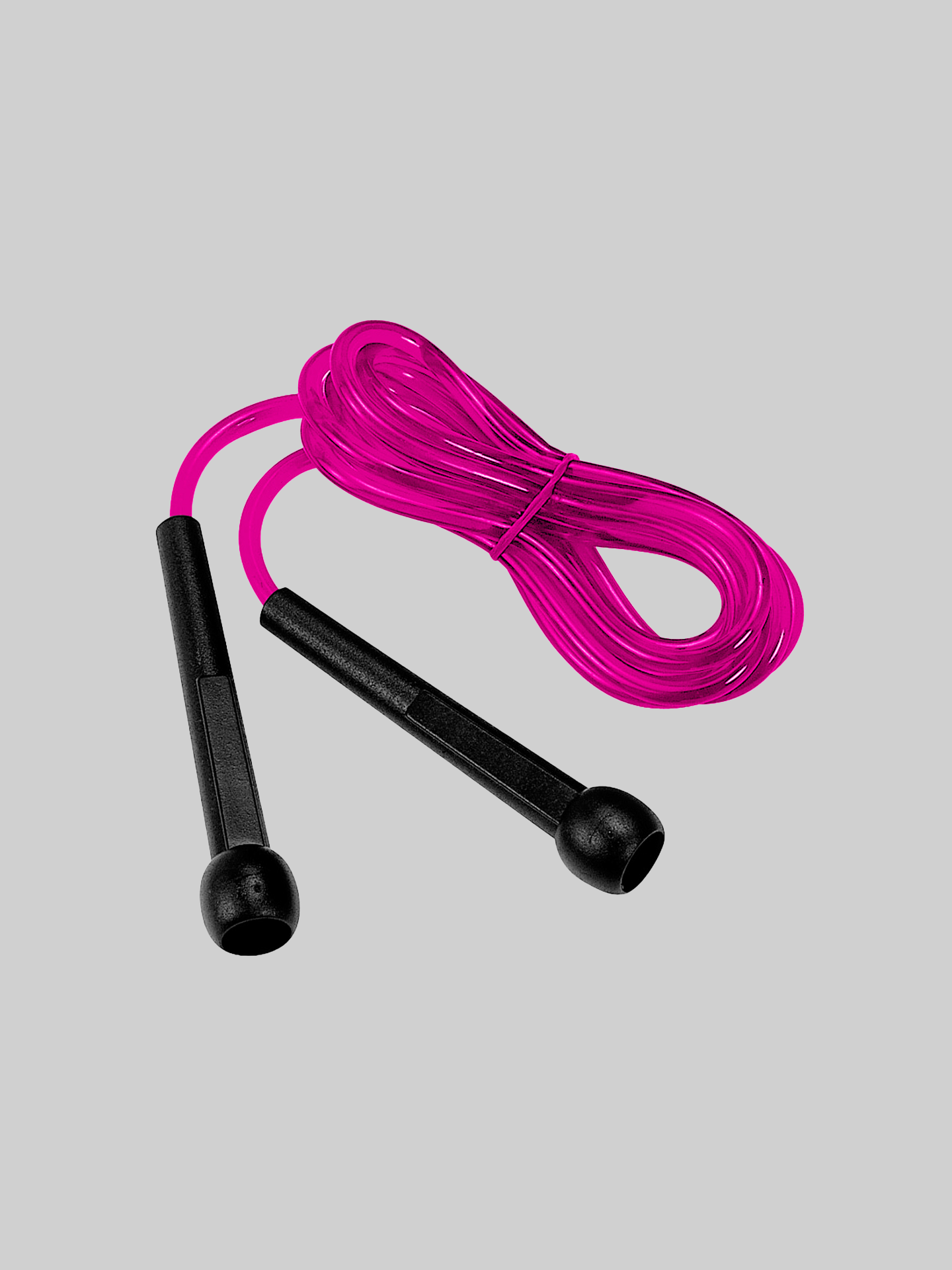
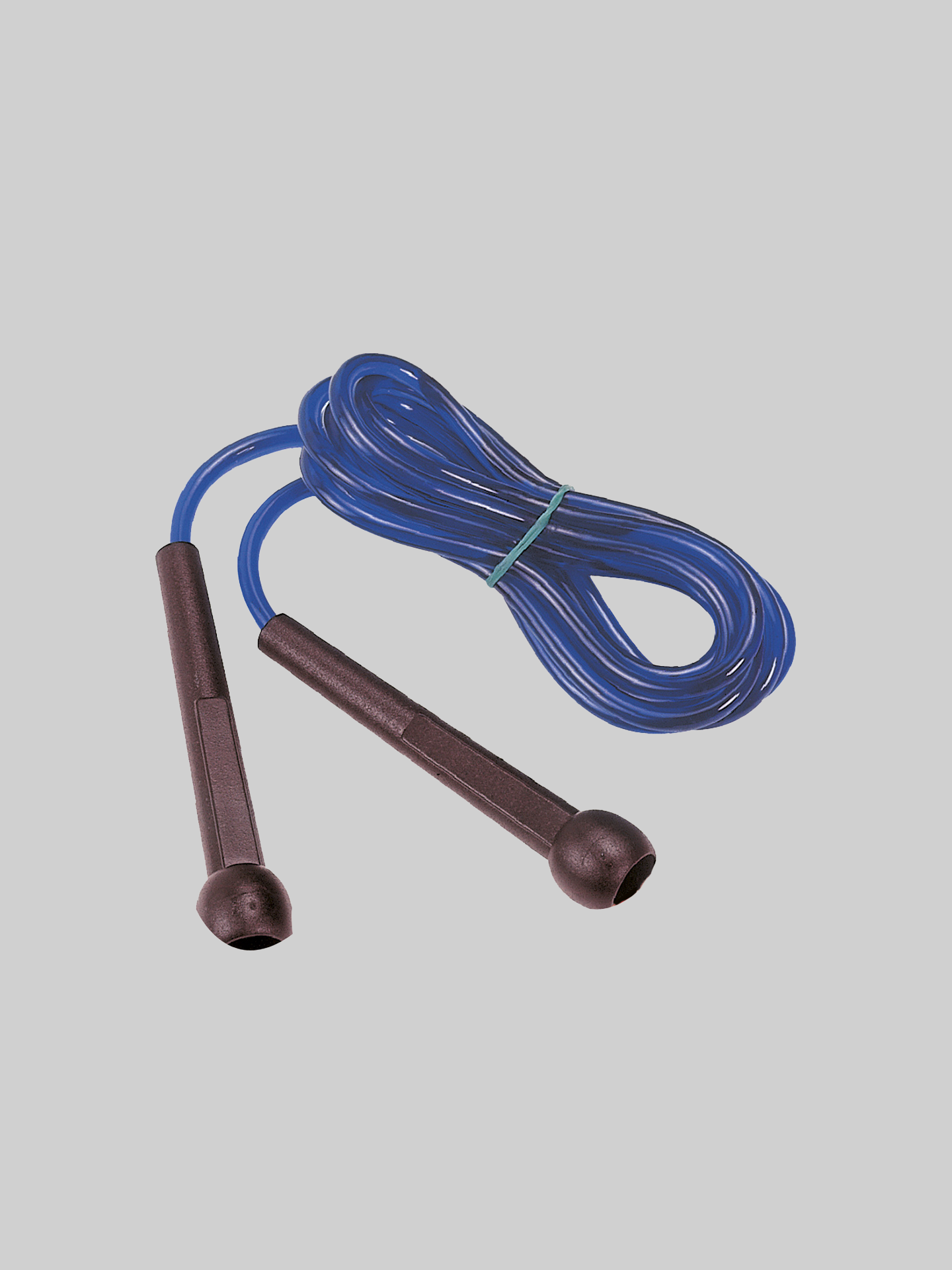
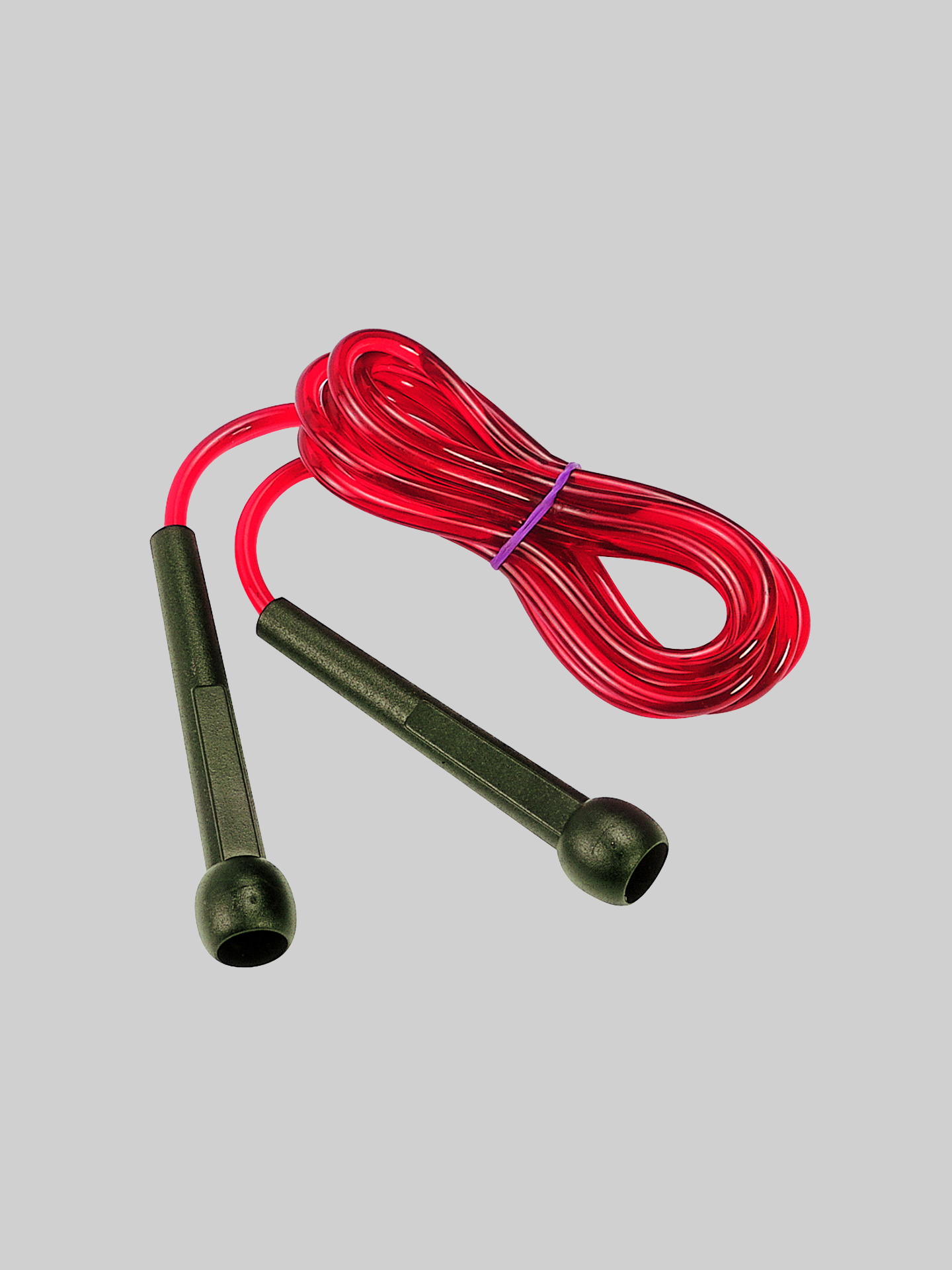
Varying exercises requires a light, fast, and well-adjusted rope that responds to the wrist without catching. The PVC Prima rope is suitable for both tricks and cardio series, in the gym or at home, and adjusts to your height in seconds.
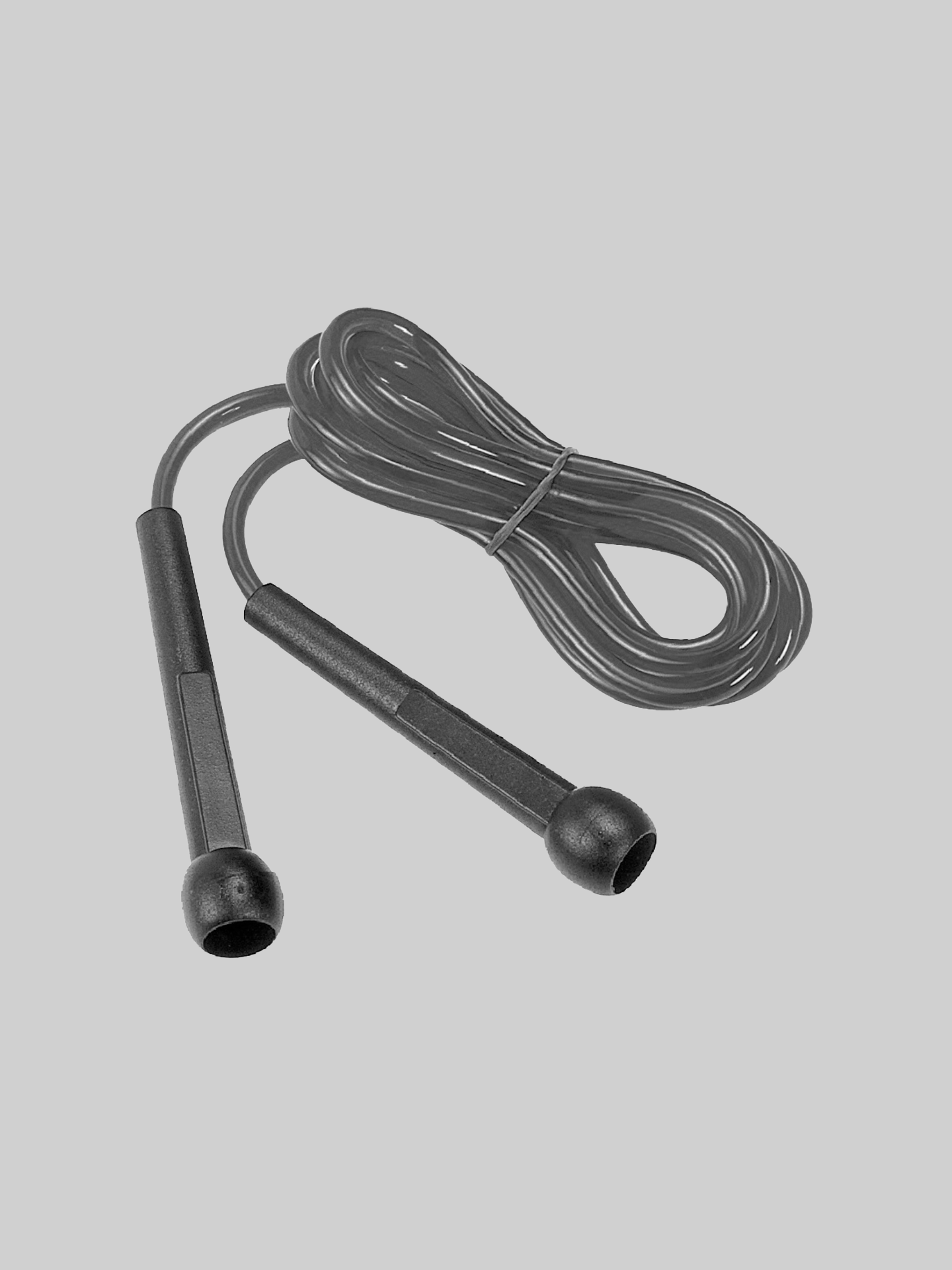
Find our selection of jump ropes to choose the rope adapted to your practice. Metal Boxe, a French combat sports brand since 1999, designs its equipment in Toulouse, with free delivery on purchases of €40 or more.