
10 minutes of jump rope: what does that equal?
“Ten minutes of jump rope is worth thirty minutes of running.” The saying is heard in every gym, but how true is it? Jump rope is a high-intensity exercise, and ten minutes is enough to get your heart pumping and burn calories. The question is how to separate myth from fact. This article explains what ten minutes of jump rope is really worth: how it compares to running, how many calories you burn, which muscles it works, and how to structure a short workout to get the most out of it.
Is ten minutes of jump rope really equivalent to thirty minutes of running?
The idea comes from an old but credible study conducted in the 1960s on college students. Two groups trained for six weeks: one did ten minutes of jump rope a day, while the other jogged for thirty minutes. At the end of the six weeks, both groups had improved their cardiovascular efficiency to a similar extent. This is where the famous “ten minutes of jump rope equals thirty minutes of running” comparison comes from.
The distinction is important: the comparison refers to improvements in cardiovascular efficiency measured over six weeks, not to an equal calorie burn from one workout to the next. In other words, ten minutes of jump rope is enough to maintain and improve cardiovascular fitness, with remarkable efficiency per minute. For more details on the effects measured on the body, our guide to the benefits of jump rope reviews the studies.

How many calories do you burn in ten minutes of jump rope?
Calorie burn depends on intensity and the person’s weight. At a moderate pace, ten minutes of jump rope burns about one hundred to one hundred and twenty calories; at a fast pace, that number approaches one hundred and fifty to two hundred calories over the same period. On a per-minute basis, it is one of the most efficient exercises for cardiovascular fitness that can be done at home.
These figures vary from person to person, but the general range is telling: ten minutes of jumping burns about as many calories as a run of similar length, and it takes about as long as most people can find time for in their day. To learn more about the link between jump rope and calorie burn, our article on jump rope and weight loss explains how to use it to lose weight.
Ten minutes of jump rope compared to running, cycling and swimming
Compared with other cardiovascular activities, jump rope stands out for the intensity it provides in a short amount of time. According to energy expenditure charts, it is comparable to fast running and more intense than moderate cycling or recreational swimming. Ten minutes of jump rope gets your heart pumping faster than ten minutes of easy jogging.
Its other advantage is how little space it takes up: while cycling requires equipment and swimming requires a pool, a jump rope fits in a bag and can be used anywhere. For those short on time, it provides a concentrated cardiovascular workout that requires less logistics than other activities. Ten minutes done well is better than an hour-long workout that is constantly postponed.

What muscles do you work in ten minutes of jump rope?
In ten minutes, jump rope works the cardiovascular system, the legs and calves with every bounce, the shoulders and arms through rotation, and the core for stability. The thighs and knees absorb the impact of each landing, while the calves and ankles are strengthened by jumping on the balls of the feet without letting the heels strike the ground. At a fast pace, this leg work draws on body fat reserves once the warm-up is over. It is a comprehensive workout that combines cardiovascular exercise and light strength training in a short amount of time. Coordination and rhythm also improve with each session—two skills that can be transferred to other sports.
This efficiency explains why jump rope is a staple of boxing training, with boxers using it as a warm-up to activate their footwork before hitting the bag or entering the ring. Ten minutes is enough to prepare the body, raise your temperature, and get into rhythm. While some exercises take a long time to get started, jump rope gets the body moving almost immediately.
How to make the most of a ten-minute workout
To get the most out of ten minutes, structure is important. Start with two minutes of basic jumping at a slow pace to warm up and find your rhythm. Then do six minutes of work, alternating one minute at a fast pace with thirty seconds at a slower pace to maintain intensity without burning out. Finish with two minutes of cool-down, jumping very slowly and then stretching.
This form of interval training concentrates the effort and keeps your metabolism elevated after the workout. One variation is to incorporate high knees or alternating jumps during the intense phases to vary the movement. The goal is to maintain a steady rhythm and jump cleanly, rather than rushing and tripping over the rope every ten seconds.

Should you do more than ten minutes of jump rope a day?
Ten minutes a day is already a solid foundation for maintaining fitness and making progress, especially for beginners whose calves and ankles need time to adapt to the impact. There is no need to overdo it at first: ten minutes every day is better than thirty minutes once a week. The body adapts more to frequency than to occasional performance.
Over time, you can extend the workout or add more sessions depending on your goal: cardiovascular fitness, weight loss, or sports training. To learn more and plan your progress, follow our jump rope program, which structures your workouts week after week. Ten minutes is still a good place to start, and you can increase the time as your fitness improves.
Our tips for making the most of your ten minutes of jump rope
A few simple tips can make those ten minutes more effective and safer. Jump on a flat, slightly cushioned surface and wear shoes with good shock absorption to protect your knees and ankles. Keep a firm grip on the handles and let your wrists do the work rather than your arms. Land on the balls of your feet without letting your heels strike the ground, and keep your knees bent to jump quietly and smoothly while protecting your legs.
When it comes to organization, choose a time you can stick to: ten minutes in the morning wakes up the body, while ten minutes in the evening helps relieve stress. A coach or a video can help you correct your technique at first. Count your workouts rather than your calories: in fitness, as in everything else, consistency is more important than a single day’s performance. Ten minutes every day is better than a long workout that you give up on after three.
The right equipment for your daily ten minutes
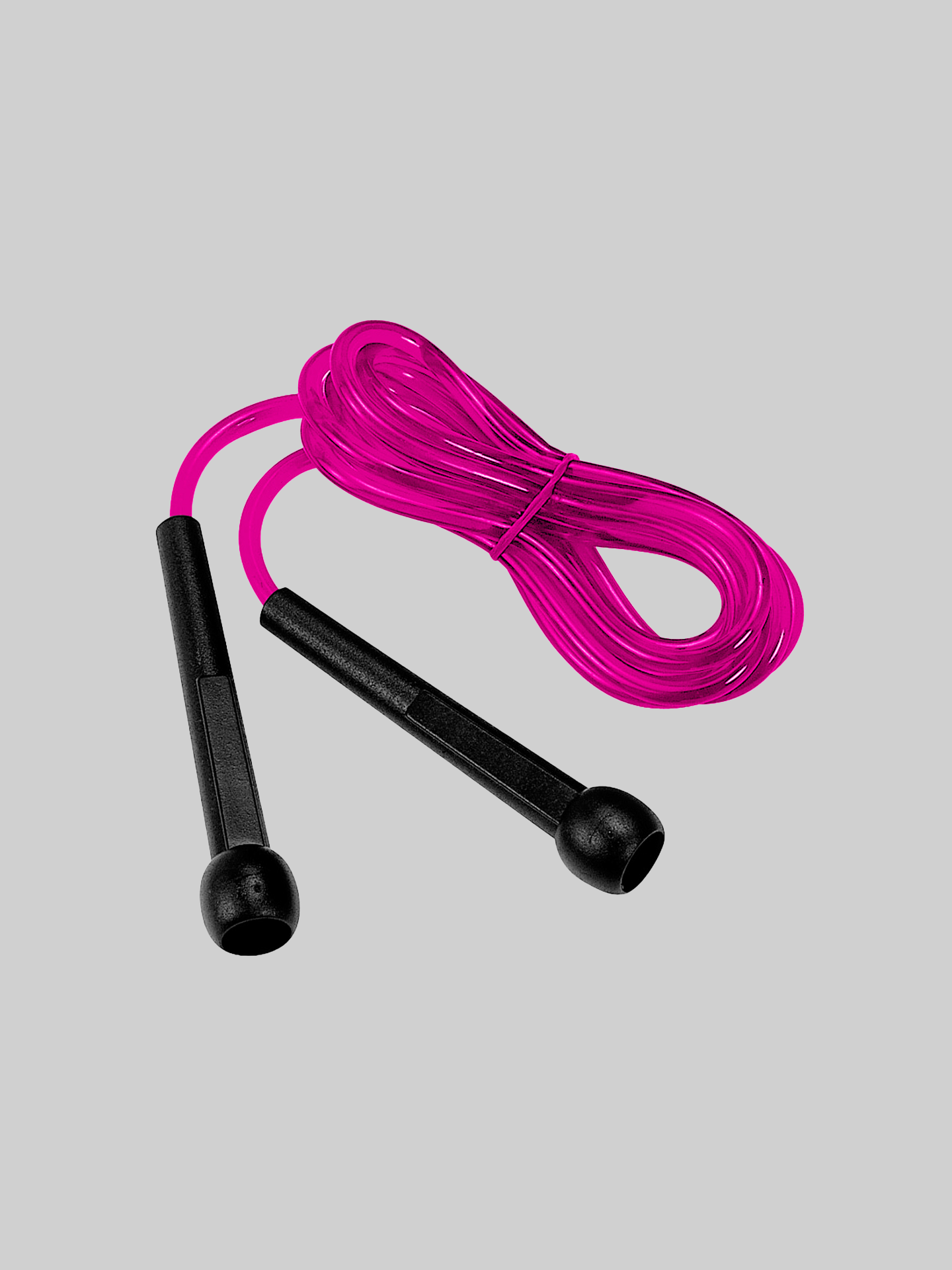
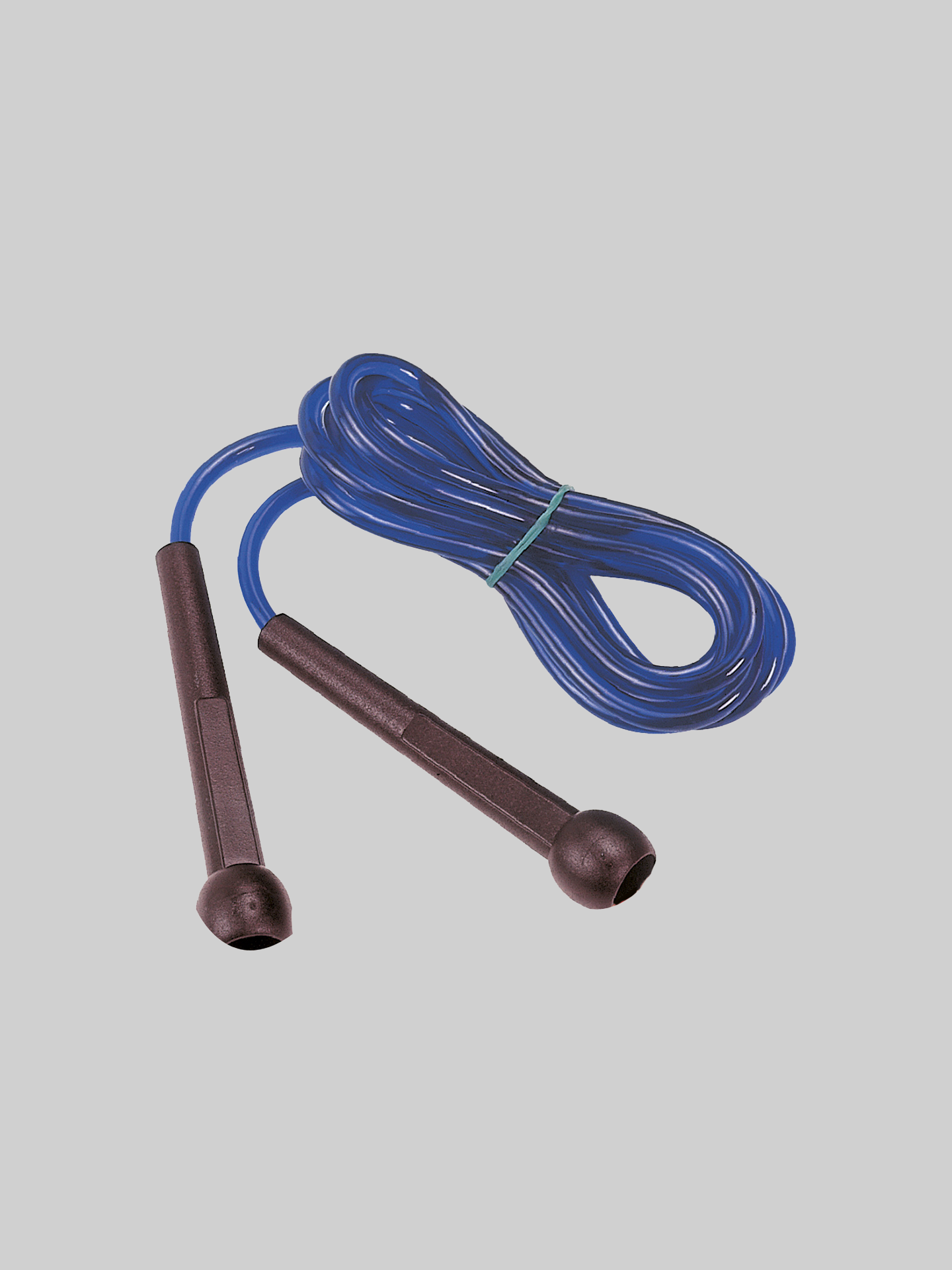
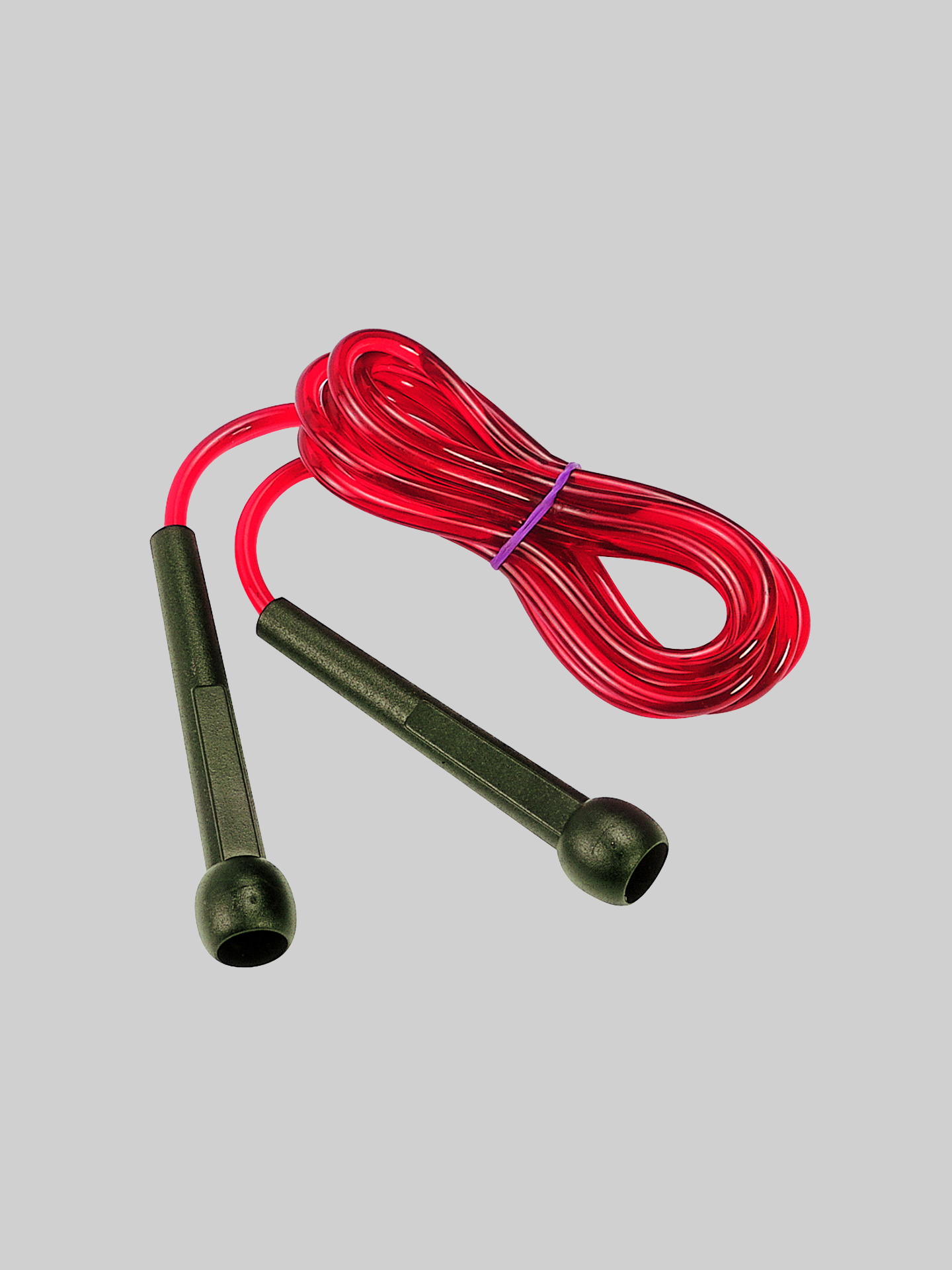
To jump for ten minutes without any problems, a lightweight, properly adjusted rope makes all the difference. The Prima PVC rope is easy to adjust to your height and carry, and it is suitable for basic jumping as well as the fast phases of a short workout, whether at home or in the gym.
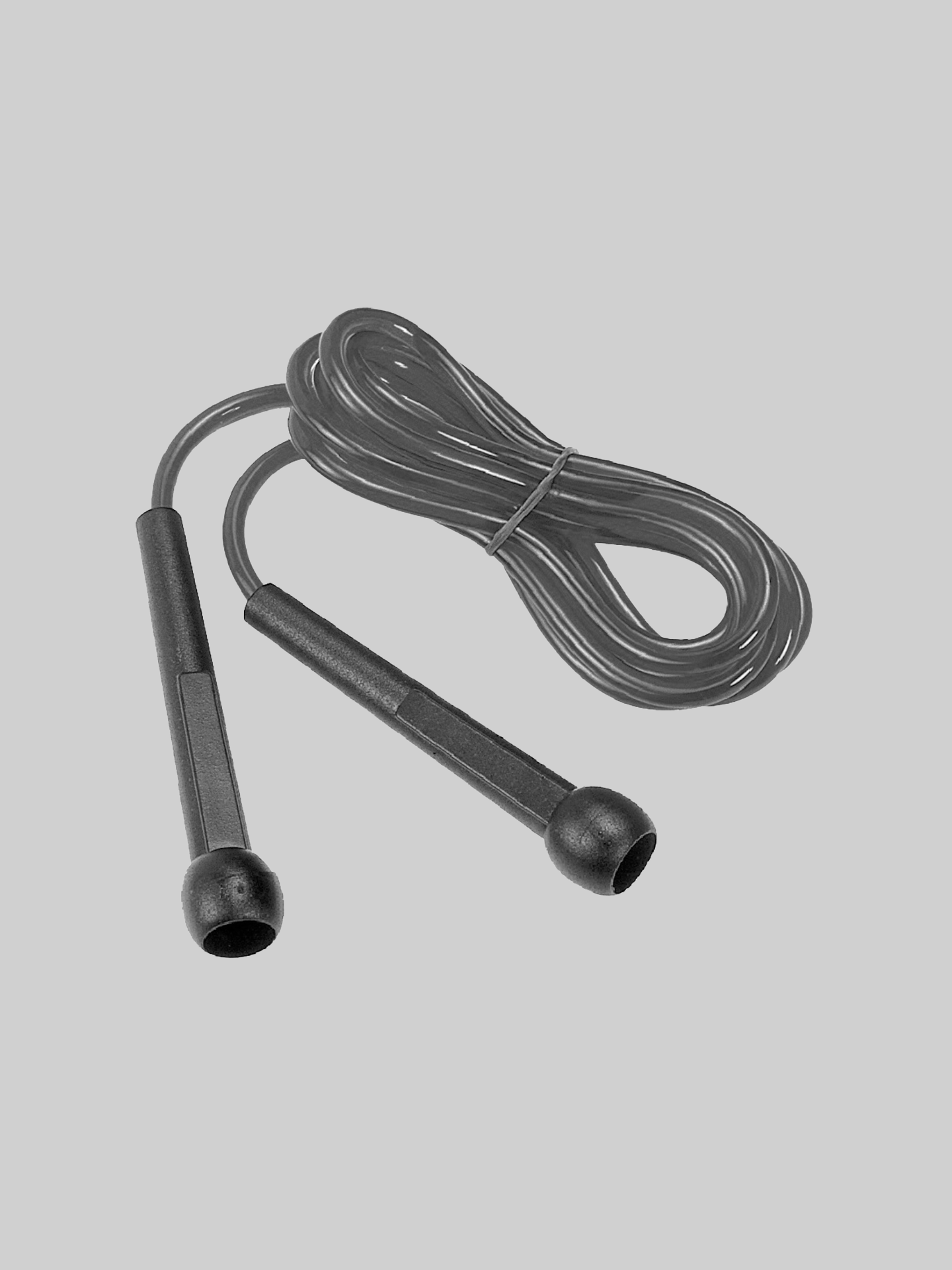
Discover our selection of jump ropes and choose the right one for you. Metal Boxe, a French combat sports brand founded in 1999, designs its equipment in Toulouse and offers free shipping on orders over €40.