Article: HOW TO CHOOSE YOUR BOXING GLOVES?
HOW TO CHOOSE YOUR BOXING GLOVES?
A bad glove isn't immediately obvious. You feel it in the third round, when your wrist starts to burn. When the padding collapses under impact. When your hand leaves the session with a dull ache that settles in and won't go away. Choosing your boxing gloves is a boxer's first technical decision. Before the ring. Before the bag. Even before putting on your hand wraps. This guide breaks down every criterion that really matters, whether you are starting boxing or already training several times a week at a boxing club. Size, type, material, padding, support. It's all here.
If you prefer a face-to-face explanation, we've filmed the same method in a video:
Boxing gloves: a technical tool, not just protection
A glove is more than just protection. It's a tool. An extension of the hand. It determines how you strike, how you absorb the impact of your punches on the bag, and how you protect your partner during sparring. In the practice of boxing in the broadest sense (boxing, muay thai, kickboxing, savate, full contact), each discipline imposes its own technical constraints.

A 10 oz glove designed for speed does not serve the same purpose as a 16 oz glove designed for intensive training and sparring. The classic mistake: buying the first pair you see, often too light, too generic, and realizing three weeks later that your wrist is suffering, that the padding no longer holds up, that the support is insufficient when you throw a punch. Once you understand the selection criteria, choosing your gloves becomes simple, fast, and above all reliable, regardless of your level of practice.
What glove size according to your weight?
The weight of the gloves, expressed in ounces (oz), is the first figure to look at. It does not only determine the physical size of the glove. It determines the density of the padding, and therefore the level of optimal protection offered to both the person striking and the person receiving. The higher the weight, the thicker and more generous the foam. A 12 oz glove represents the right compromise for general training. 14 oz gloves and 16 oz are essential as soon as sparring becomes part of the routine. At the other end of the spectrum, lightweight bag gloves (8 oz, or even 6 oz) are designed to hit a heavy bag at a high cadence, with firm padding and rigid support that protects the bones of the hand on repeated impacts.
The boxer's weight is the starting point for choosing the size of their pair. Below 55 kg, 10 oz is enough for basic training. Between 55 and 75 kg, 12 oz is the reference value. Beyond that, 14 to 16 oz are essential, especially if the sessions include contact. For children's boxing, 4 to 6 oz gloves exist, designed for small hands and reduced impact. One rule to keep in mind: if you regularly practice sparring, always go up one size compared to what you use on the mitts or the bag. It's a matter of respect for your partner as much as safety for yourself.
Each weight has its own page, with the models actually available in that weight: 8 oz gloves for speed on the bag, 10 oz for lightweight builds, 12 oz for versatile use, 14 oz as soon as sparring becomes regular and 16 oz for heavyweight builds. For the youngest, the children's boxing gloves range is sized for small hands.
Children:
Below 20 kg: 4 oz. Above 20 kg: 6 oz.
Women:
35-45 kg: 8 oz. 45-55 kg: 10 oz. 55-65 kg: 12 oz. 65-75 kg: 14 oz. Over 75 kg: 16 oz.
Men:
35-55 kg: 8 oz. 55-65 kg: 10 oz. 65-80 kg: 12 oz. 80-95 kg: 14 oz. Over 95 kg: 16 oz.


Once the weight is decided, the rest of the choice comes down to three points: the closure, the material, and the padding. We take them in this order.
Velcro or laces: which one to choose according to your use
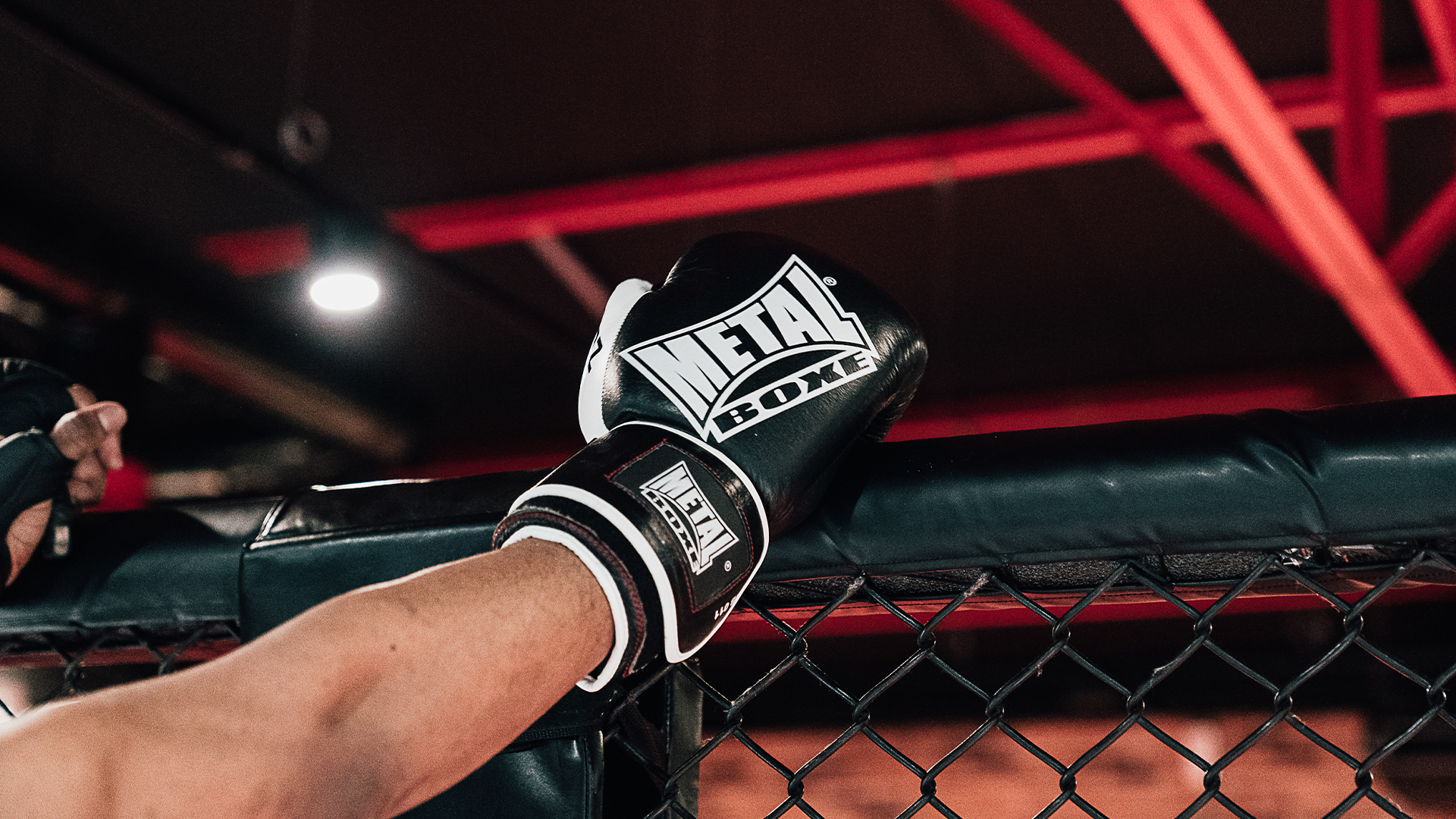
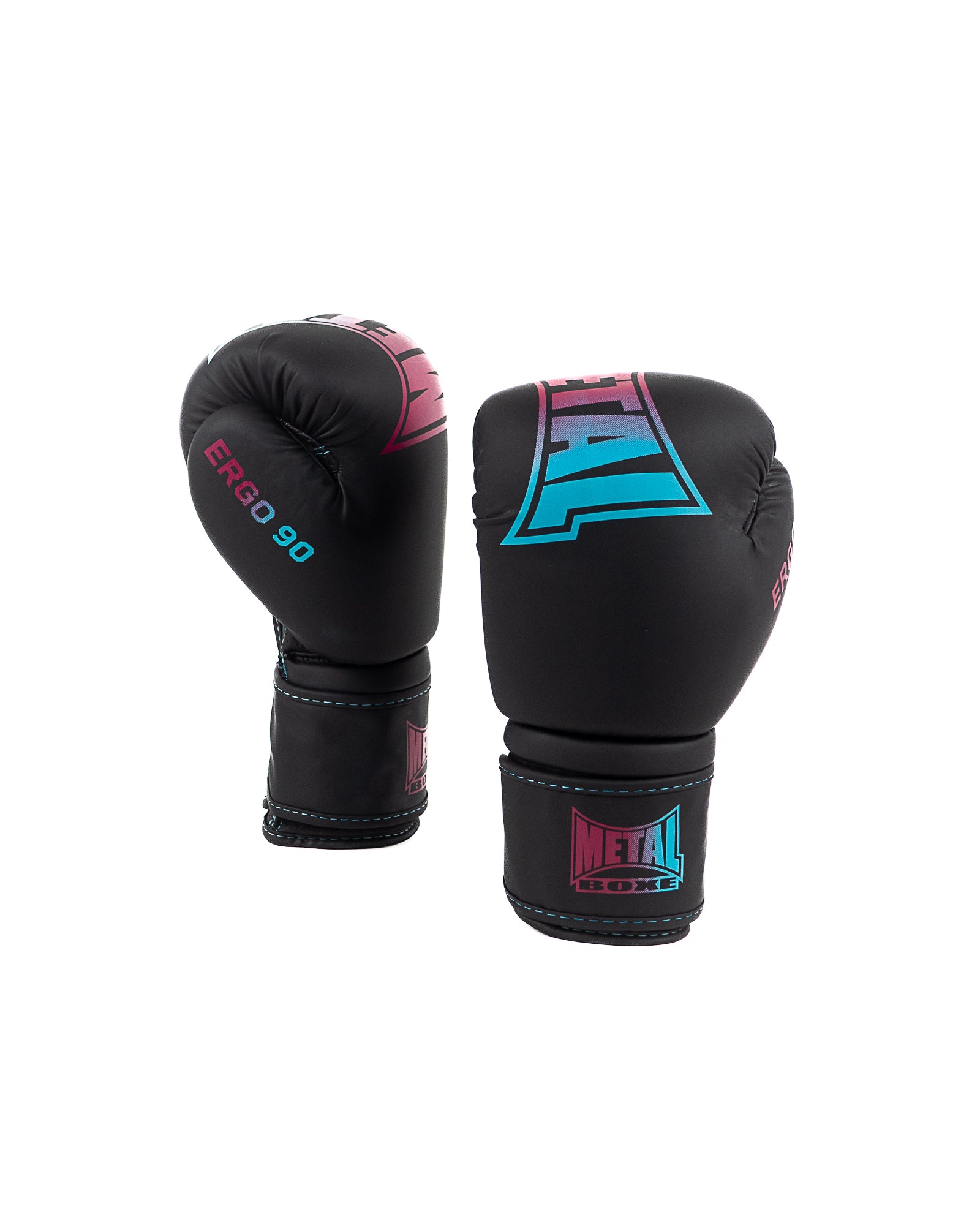
Velcro or laces. The choice is often underestimated. Yet, it directly impacts the fit of the glove, freedom at the wrist, and everyday practicality. The Velcro closure dominates training, and for good reasons. It is put on alone, in a few seconds, without help. For working on the bag, the mitts, shadow boxing, it's the most practical system. The vast majority of gloves sold in clubs use a wide Velcro, which offers satisfactory wrist support for the majority of practitioners. Over time, the Velcro wears out, especially if the glove is often washed or if the band accumulates fibers. Good glove maintenance considerably extends its lifespan.
Laces, on the other hand, are reserved for competition and high-level sparring. They offer tighter, more personalized support, a wrist hold that approaches a light splint. Their disadvantage: they require a second pair of hands to be properly laced. This is not suitable for autonomous daily use. In practice, the rule is simple. Velcro for training. Laces for official fights and professional sparring.


In both cases, it's the tightness that provides support, not the width of the band: a properly closed Velcro over the wrist bone holds better than a sloppy lacing.
Manufacturing material: genuine leather or synthetic leather
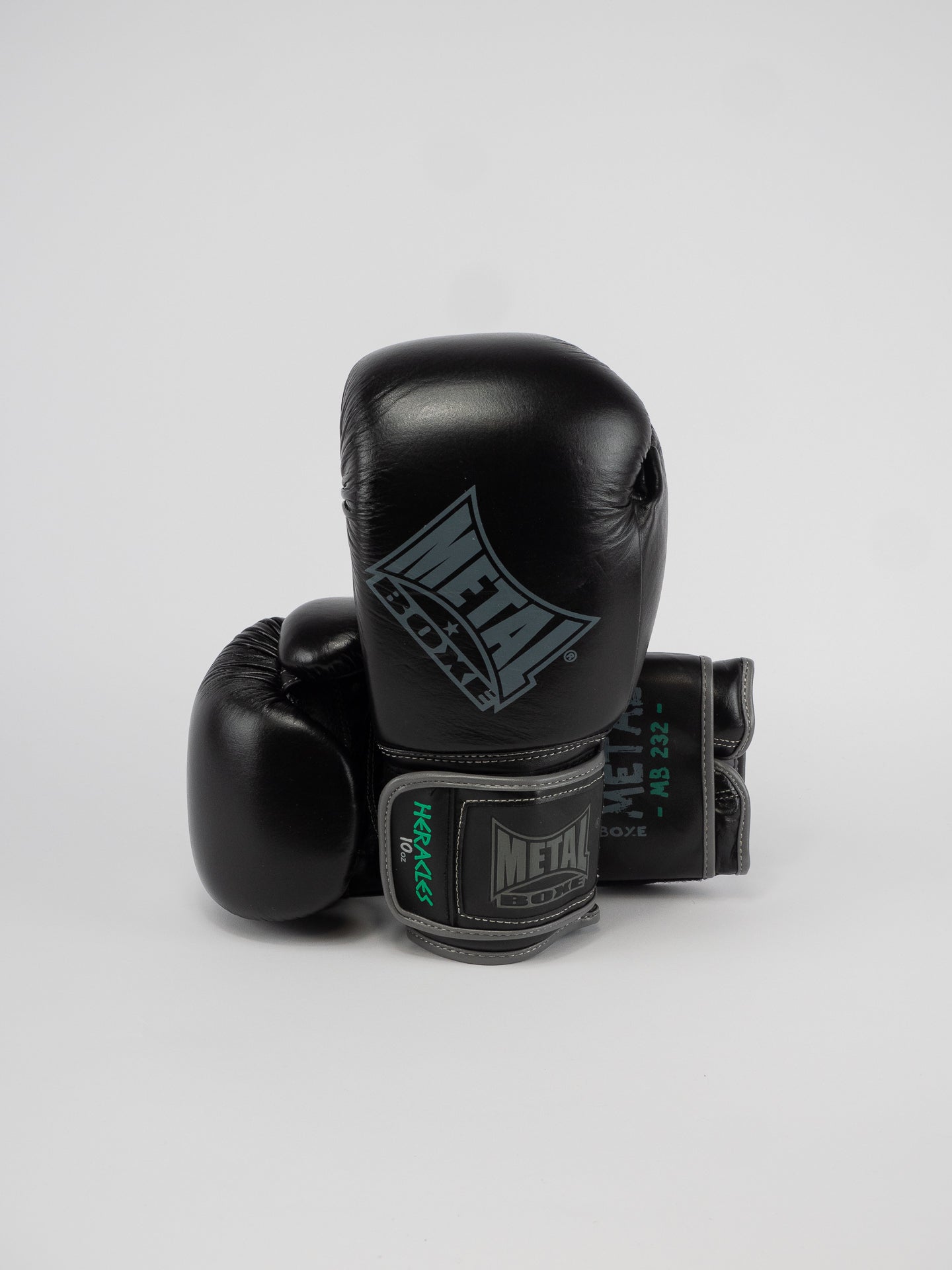
Genuine leather or synthetic leather. The manufacturing material determines the durability, comfort, and price of a pair. Genuine leather gloves are more expensive. But they last longer. They soften with use, mold to the shape of the hand, and breathe better during exertion. These are the gloves you keep for three years, five years, sometimes more, when maintenance follows. They remain the obvious choice for intensive training or for boxers who do several weekly sessions. Their lifespan regularly exceeds 3 to 5 years with serious use.
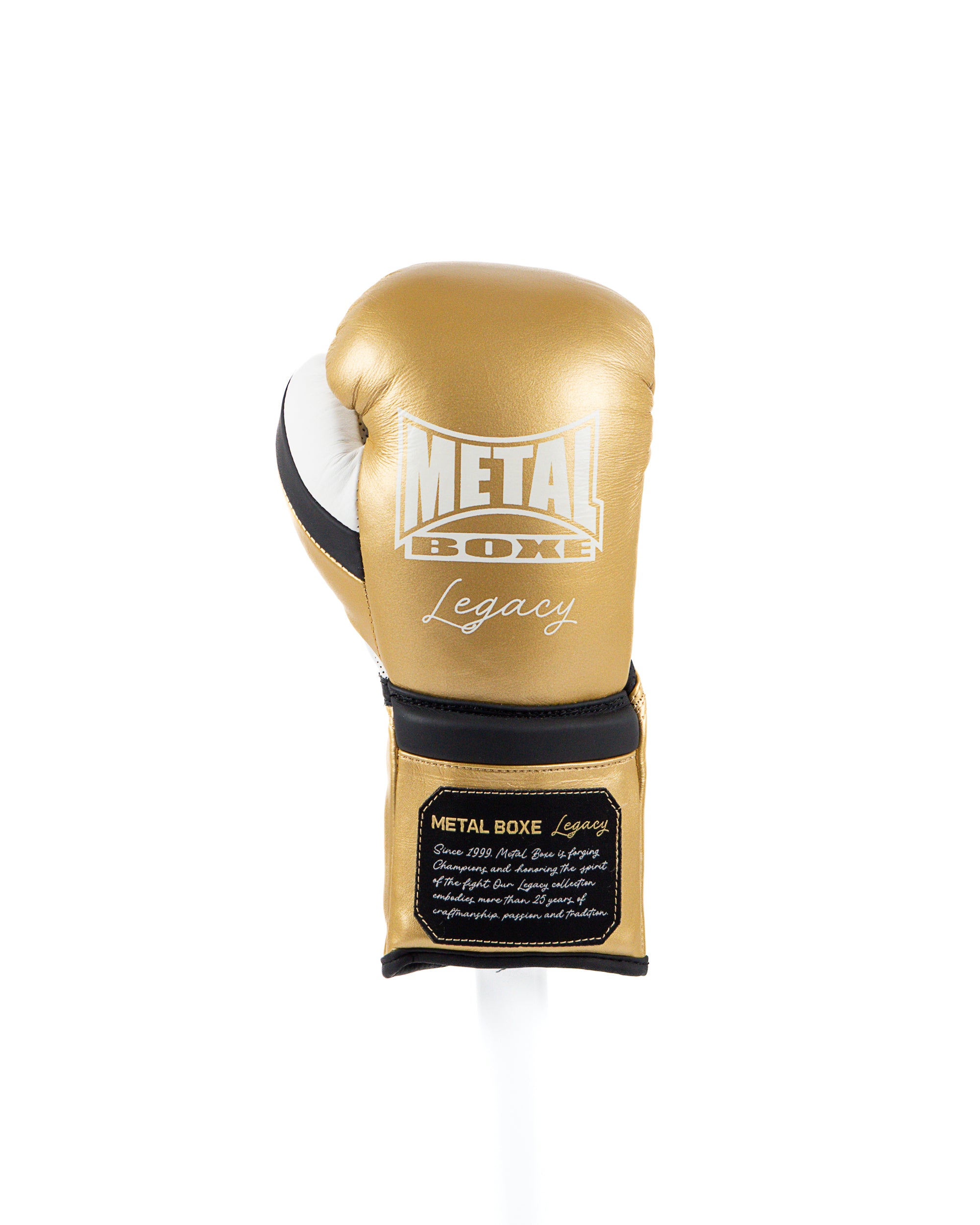
On the genuine leather side, the HERACLES is the entry point of our range: high-quality leather, high-density EVA injected foam, and a wide Velcro wrist closure.
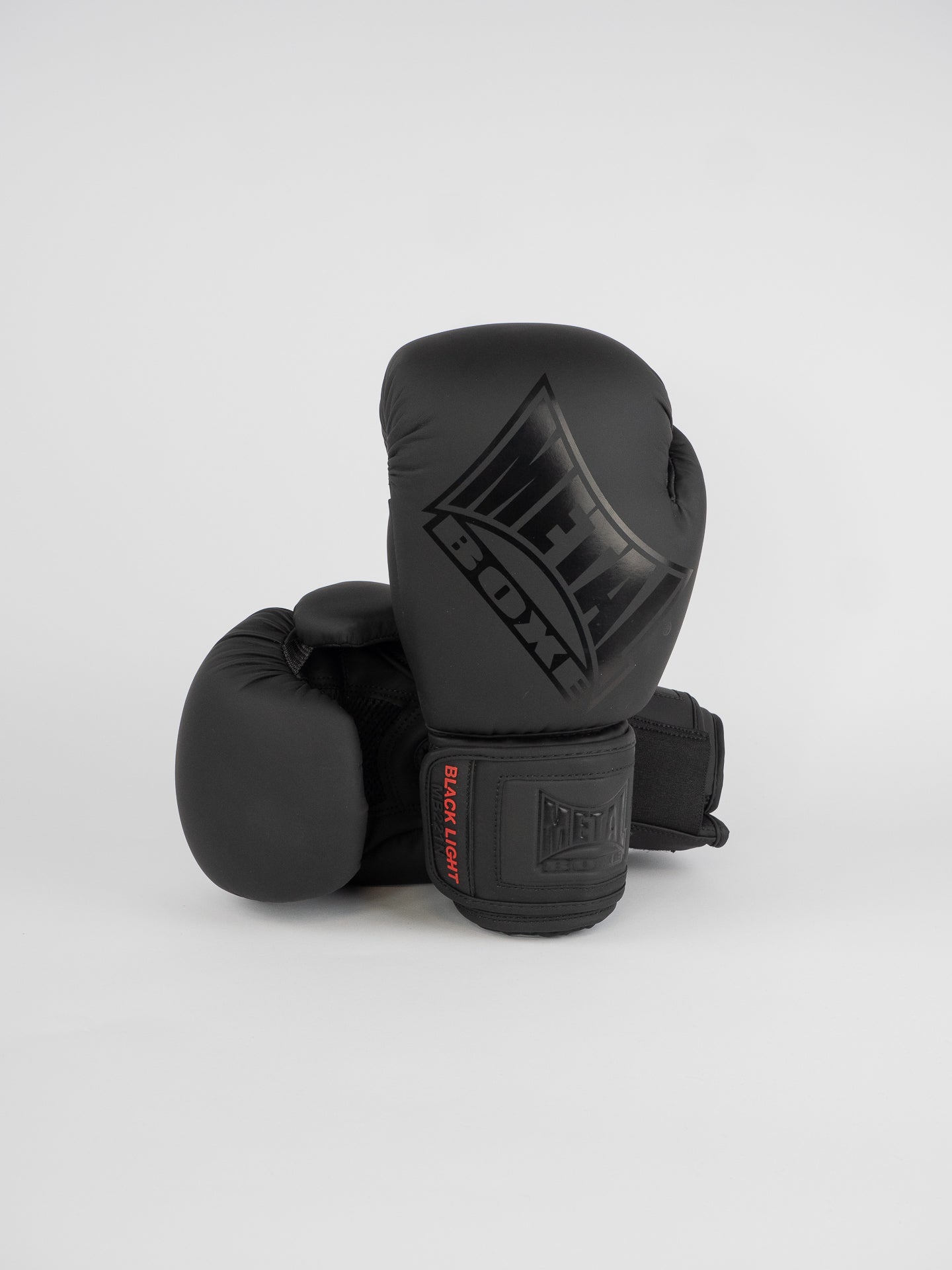
Synthetic leather gloves have massively improved in recent years. For a beginner or intermediate level, at a rate of 2 to 3 sessions per week, they offer a quality-price ratio that is hard to ignore. Less sensitive to moisture, easier to clean, available in a more accessible price range. The French brand Metal Boxe offers, for example, high-end PU gloves that absorb intensive use without degrading quickly. The choice between the two materials depends on your training frequency, your budget, and the intended use.


Once your gloves are well chosen, remember to consult our guide how to maintain your boxing equipment to take care of them and keep them in good condition for as long as possible.
Bag, sparring, competition: what type of gloves for what use
Three large families. Three distinct uses. Confusing them is to poorly equip your practice from the start. Bag gloves (also called striking gloves) are compact, firm, with little foam on the fingers but often a very rigid wrist. They withstand thousands of repeated strikes on a heavy bag without deforming. Their padding is designed to absorb the returning impact, not to protect a partner. They are work tools. Effective for developing speed and power. Unusable in sparring.
Sparring gloves, it's the opposite. Their absolute priority is the protection of the partner. The padding is thick, generous, distributed over the entire impact surface. These are heavy gloves, 14 to 16 oz in most cases, which suit all weight categories as soon as there is direct contact. If your training includes regular sparring, investing in a pair of sparring gloves separate from your standard training gloves protects your hands in the long term. And those of your partner.
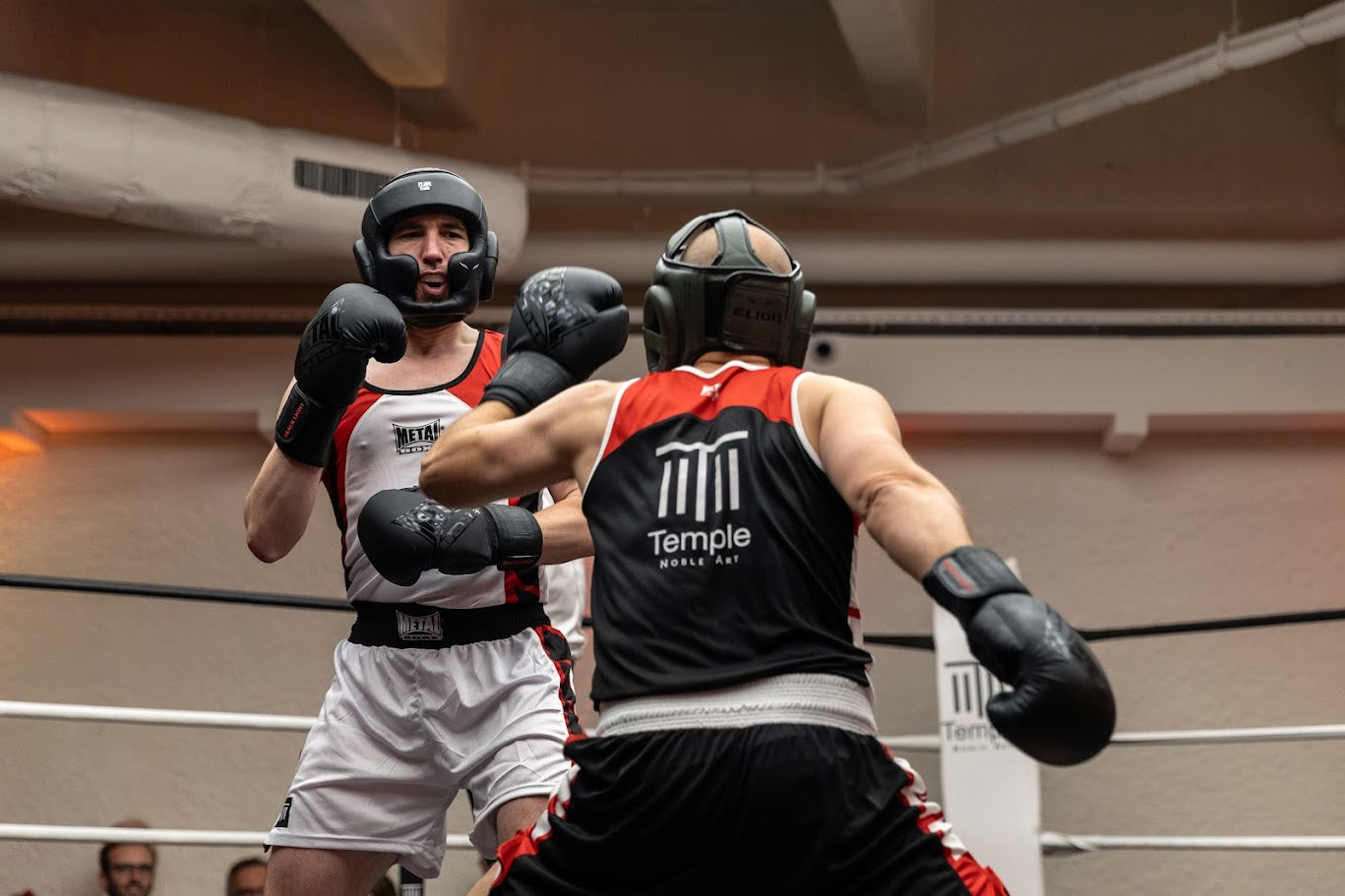
Competition gloves (amateur boxing, Olympic Games, federal championships) obey strict standards imposed by the federations. Standardized shape, defined colors (red or blue depending on the organizations), mandatory approval. In amateur boxing as in savate French boxing, you do not choose your competition gloves: it is the rules that impose them. For daily training in a club, a good versatile glove does the job.
Boxing, muay thai, kick boxing: the gloves adapted to each discipline
Each type of boxing has its requirements. In boxing gloves, the shape is classic. Well-distributed frontal protection, high wrist support to absorb and place clean punches. In muay thai (the Thai boxing), the gloves are often softer on the fingers to leave mobility in the clinch and allow blocking elbows and knees. In kick boxing or full contact, a versatile glove with good cushioning over the entire surface covers all needs. Free fight (MMA) uses open gloves, a category of its own, very different from the closed gloves of traditional boxing.
If you practice several disciplines simultaneously, a versatile training glove (12 to 14 oz, Velcro, quality synthetic material) covers the majority of situations without major compromise. Metal Boxe, a French brand present in martial arts and combat sports clubs since 1999, offers ranges designed for each discipline: from Thai boxing to the noble art, from the amateur club to competitors. Note: in karate or other light contact martial arts, classic boxing gloves are generally not suitable. Open or semi-open karate gloves are preferred.
Padding and foam: how to assess the quality of a glove
You can have the right size, the right closure, the right material. If the padding is bad, the glove is bad. It's as simple as that. The foam absorbs the shock by deforming slightly under impact, without permanently collapsing. A quality foam regains its shape in less than a second. Cheap foam flattens after a few months of intensive use, loses its shape memory, and leaves the joints to take the impact directly. The risk: repeated micro-traumas on the fingers, metacarpals, wrists. Invisible daily. Painful over time.
The most efficient foam technologies combine several densities. A firm foam on the inside transmits the intention of the punch with precision. A softer foam on the surface absorbs the return impact. Some high-end gloves use memory foam on the main impact zones for a denser padding and a comfort that lasts over time. To assess the quality before purchase, a simple gesture: press firmly on the back of the glove. The foam must regain its shape in less than a second. If it stays flattened, move on.
Wrist support: where many boxers get injured
A punch poorly placed on an unstable wrist. That's all it takes for a sprain, tendinitis, or worse. Wrist support is not a comfort detail. It's a matter of safety. Good gloves incorporate a wide wrist strap, often reinforced by an internal band, which stabilizes the joint without completely blocking it. For practitioners who strike hard and often (heavy bag work, body sparring), this support must be maximal. A glove that leaves the wrist too mobile exposes the ligaments to abnormal stresses that the body compensates poorly for in the long term.
Boxing wraps play a complementary role that should not be neglected. Long wraps wrapped or under-gloves, they stabilize the bones of the hand and wrist even before putting on the gloves. A well-chosen pair of gloves combined with properly placed wraps significantly reduces the risk of injury, even during intensive striking sessions. The reasoning applies to the rest of the equipment: a well-adjusted boxing helmet plays the same role for the head as soon as sparring begins. If you are starting out, learn to put on your wraps from the first week. It's a technical gesture that protects your hands for your entire sports practice.
How to maintain your gloves to extend their lifespan
Many boxers think about it in the third month. When the smell is already established. When bacteria have colonized the inside of the glove. When the leather starts to peel. Maintenance starts from the first day. At each session, sweat accumulates in the glove. It creates a warm and humid environment, conducive to bacterial growth. It's not just a matter of hygiene: it's also what degrades the material from the inside and reduces the lifespan of the product by half.
First rule: never store damp gloves in a closed bag. After each session, let them air dry, open, in a ventilated place. Baking soda remains the most effective trick to absorb odors and neutralize bacteria: a teaspoon in each glove after the session, left overnight, shaken the next morning. For regular cleaning, an antibacterial wipe on the inside after each use effectively slows proliferation. If you use internal wraps, wash them frequently: they absorb most of the sweat and constitute the first barrier to avoid bacteria. A disinfectant spray dedicated to boxing equipment, used once or twice a month, completes the maintenance for optimal glove hygiene and gloves that retain their properties over time.
What budget to plan for a good pair of gloves
The first tier, that of the lowest entry level, does not hold up. The padding collapses, the Velcro gives out, and the pair is good to replace after two months. This is not a saving, it's a failed investment.
The intermediate tier covers the vast majority of practitioners: decent material, durable padding, sufficient support for several sessions a week. It's the right quality-price ratio to start or progress without breaking the bank, and that's where the bulk of our range is located.
Above that, we enter the high-end: leather gloves, memory foam, refined finishes. This tier is justified for regular boxers, competitors, or practitioners who do sparring several times a week and want a product that lasts. The real price of each model is displayed on its sheet: that's where you have to read it, because it moves with the ranges.
Metal Boxe, a French brand since 1999, designed in Toulouse, offers gloves at every level, with a consistency of quality recognized by practitioners of boxing in Paris and across the country. Whether you are buying your first pair of gloves or replacing your equipment after months of intensive training, the range offers models suited to every profile and discipline. On the website, delivery is free for purchases of €40 or more and customer service is available from Monday to Friday, making the purchasing process simple and seamless. Hesitating between two models? The team is there to help you choose based on your training, weight, and goals. To be well equipped for your training and fights, feel free to explore the entire boxing range on our website, from boxing protection to shorts, and all our boxing gloves, where you will find the difference between training gloves and professional ones.

FORGING CHAMPS.