
The benefits of jump rope, backed by science
Long relegated to warm-ups, the jump rope is one of the most cost-effective training tools available. Compact, affordable, and accessible to almost every fitness level, it develops cardiovascular fitness, endurance, muscle strength, coordination, and footwork in just a few minutes per session. Few accessories fit in a pocket while working so many physical qualities at once. Jump rope is a comprehensive exercise that combines cardio and strength training, which is why boxers make it part of their routine. Here is what the scientific data really says about its benefits, muscle by muscle and function by function, and how to get started without harming your joints.
Jump rope: a cardio workout in a minimum amount of time
Jump rope is a vigorous physical activity. The Compendium of Physical Activities assigns it 12.3 METs at a fast pace (120 to 160 jumps per minute), compared to about 7 METs for jogging and 9 to 10 for running at 10 km/h: per minute, it works the cardiovascular system harder than most aerobic exercises. This intensity translates into tangible results in cardiovascular endurance. A landmark study showed that 10 minutes of jump rope per day for six weeks improved cardiovascular efficiency as much as 30 minutes of daily jogging, providing the same benefit in one-third of the time.
More recent trials confirm the mechanism: twelve weeks of interval jump rope training, consisting of three 10-minute sessions per week, increased VO2max, the maximum capacity to consume oxygen, by 8 to 10%. The training also benefits vascular health, with reductions in blood pressure and arterial stiffness observed in regular programs. For those looking to improve their fitness without spending hours on it, few exercises are as effective.

How many calories does jump rope burn?
A lot, and fast. According to the Harvard Medical School chart, 30 minutes of jump rope at a sustained pace burns about 421 kilocalories for a 70 kg person, and up to 503 kcal for someone weighing 84 kg. Per minute, this approaches 14 kcal, making it one of the highest energy-expenditure indoor cardio activities. At the same duration and weight, jump rope burns even more than jogging at 10 km/h.
This intensity changes the way you train: you get in 15 minutes what a standard cardio workout requires in a much longer timeframe. Its intense nature makes it an excellent tool for HIIT (high-intensity interval training): you alternate sequences of fast jumping and recovery, a format that extends fat burning after exercise. However, one nuance deserves to be mentioned when it comes to toning your figure. The strongest studies show clear results in reducing body fat when jump rope is combined with dietary adjustments; when practiced alone, without changing your diet, its effect remains more modest. Still, a very low volume is enough to get things moving: in a controlled trial, 30 minutes per week divided into short sets led to weight loss and a lower BMI in overweight adolescents, while the control group took the same amount of time. It is therefore a serious ally for fitness and weight loss goals, provided you remain consistent.
Which muscles does jump rope work?
It is often thought to be reserved for cardio, but jump rope is also a full-body strength exercise. The calves are on the front line: with every bounce, they absorb the landing and then propel the jump, which tones them and improves the elasticity of the tendons and fascia in the lower legs. This regular engagement strengthens the lower limbs and reduces the risk of injuries such as Achilles tendinitis or plantar fasciitis.
The upper body also works: the shoulders and arms maintain the rotation of the rope, while the forearms and wrists drive the movement. In the center, the abdominals and the entire core contract to stabilize the torso with every jump, providing discreet but continuous core support that helps maintain posture. This overall toning, without weightlifting equipment, makes jump rope a comprehensive exercise: it builds and strengthens the body while maintaining heart function, two qualities rarely found together in such a simple accessory.

Coordination, balance, and footwork: the rope that sharpens your movements
Jumping rope is not just a matter of stamina. The movement requires fine coordination between the eyes, hands, and feet, repeated at a steady pace, which develops agility and body control. This training transfers to other activities: after twelve weeks of jump rope, young athletes saw their single-leg balance improve by more than half, and their directional control improve significantly. Jumping also promotes tendon energy return: with every bounce, the Achilles tendon loads and then releases, developing a responsive ankle and efficient footwork.
Finally, it is an impact activity, comparable to running: this properly dosed landing stress strengthens bone density. The faster the pace, the more the footwork strategy focuses on the ankle and the shorter the ground contact time, illustrating the fine neuromuscular control that jump rope develops. This quality of body control, worked on session after session, does not stop at the ring: it serves in running, team sports, and even in everyday balance, where footwork reflexes make the difference.
Why boxers never let go of the jump rope
If the jump rope opens almost every boxing session, it is because it trains exactly what a fighter needs. Footwork first: the synchronization of feet and hands and the control of footwork are directly applied to moving around an opponent. Speed next: twelve weeks of interval jump rope improved visual reaction time and footwork frequency in athletes, two qualities that fuel dodging and striking. Finally, endurance, obtained in a dense format that leaves time for technique. Regardless of the discipline, from boxing to MMA, this training remains the mandatory step before heavy work.

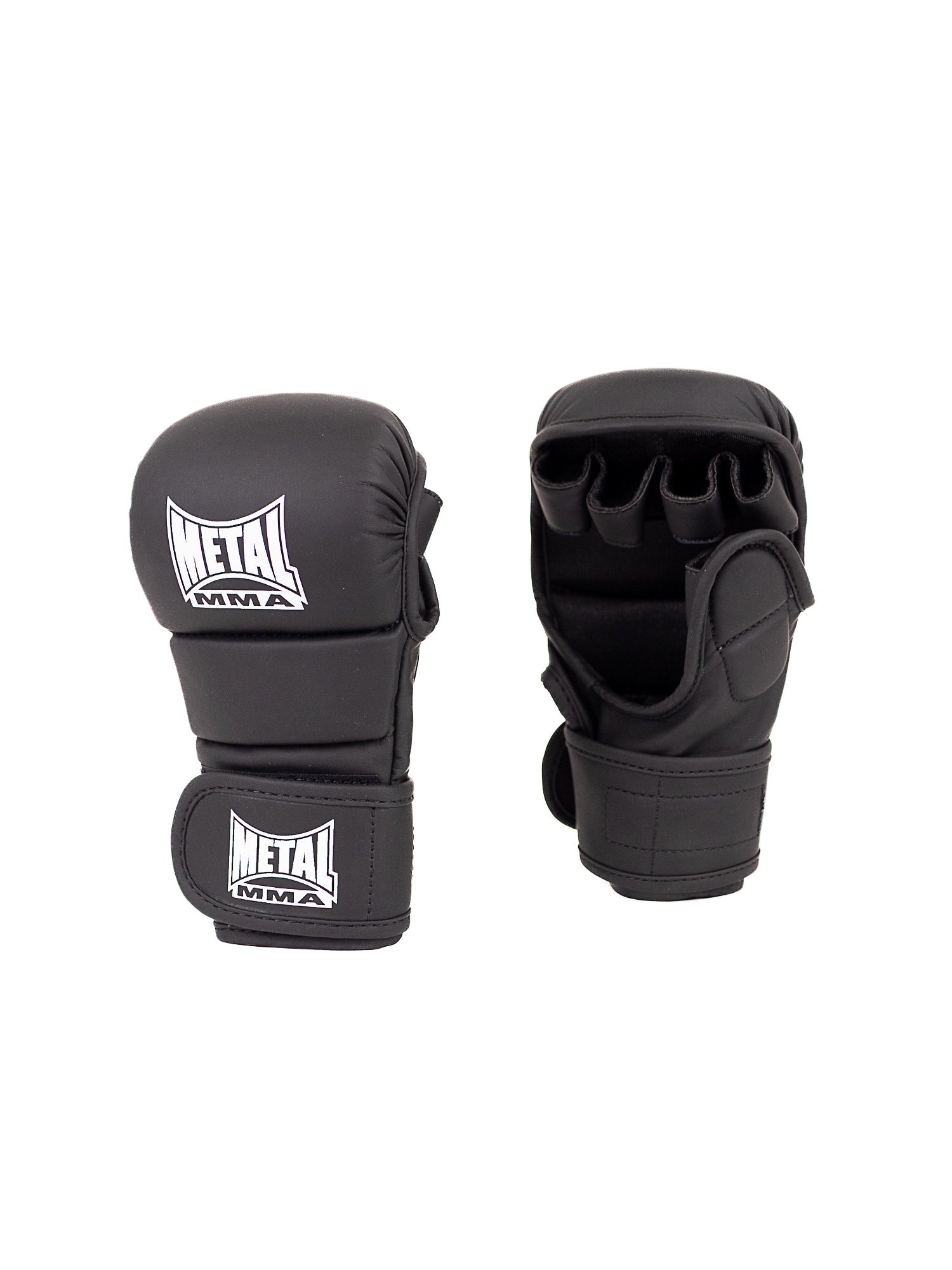
After the rope, it naturally follows with the heavy bag, gloves on fists, to transfer this quality of footwork and speed into striking. It is this continuity, from jumping to striking, that makes the jump rope the first reflex of pugilistic training.

How to choose your jump rope according to your level
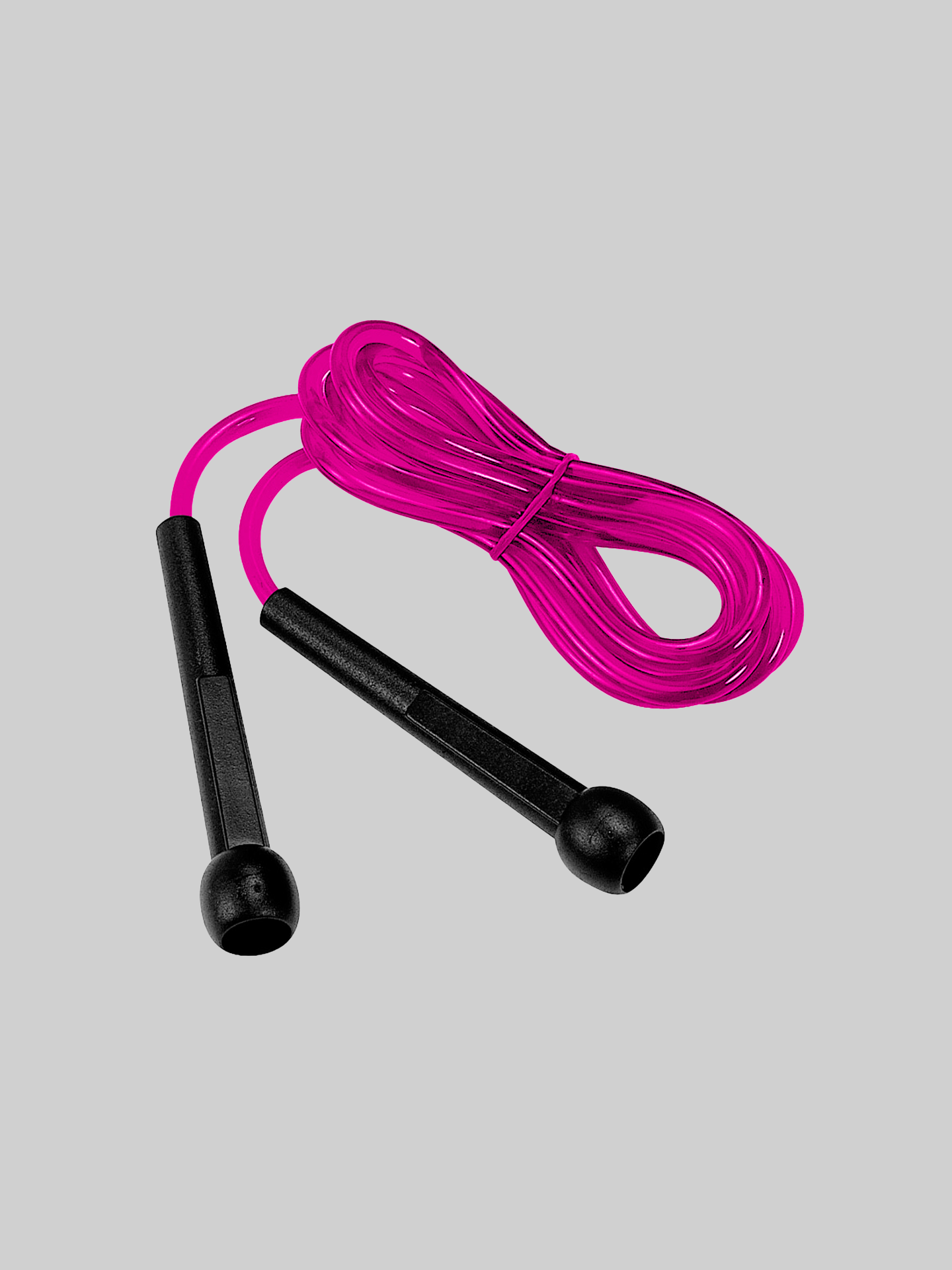
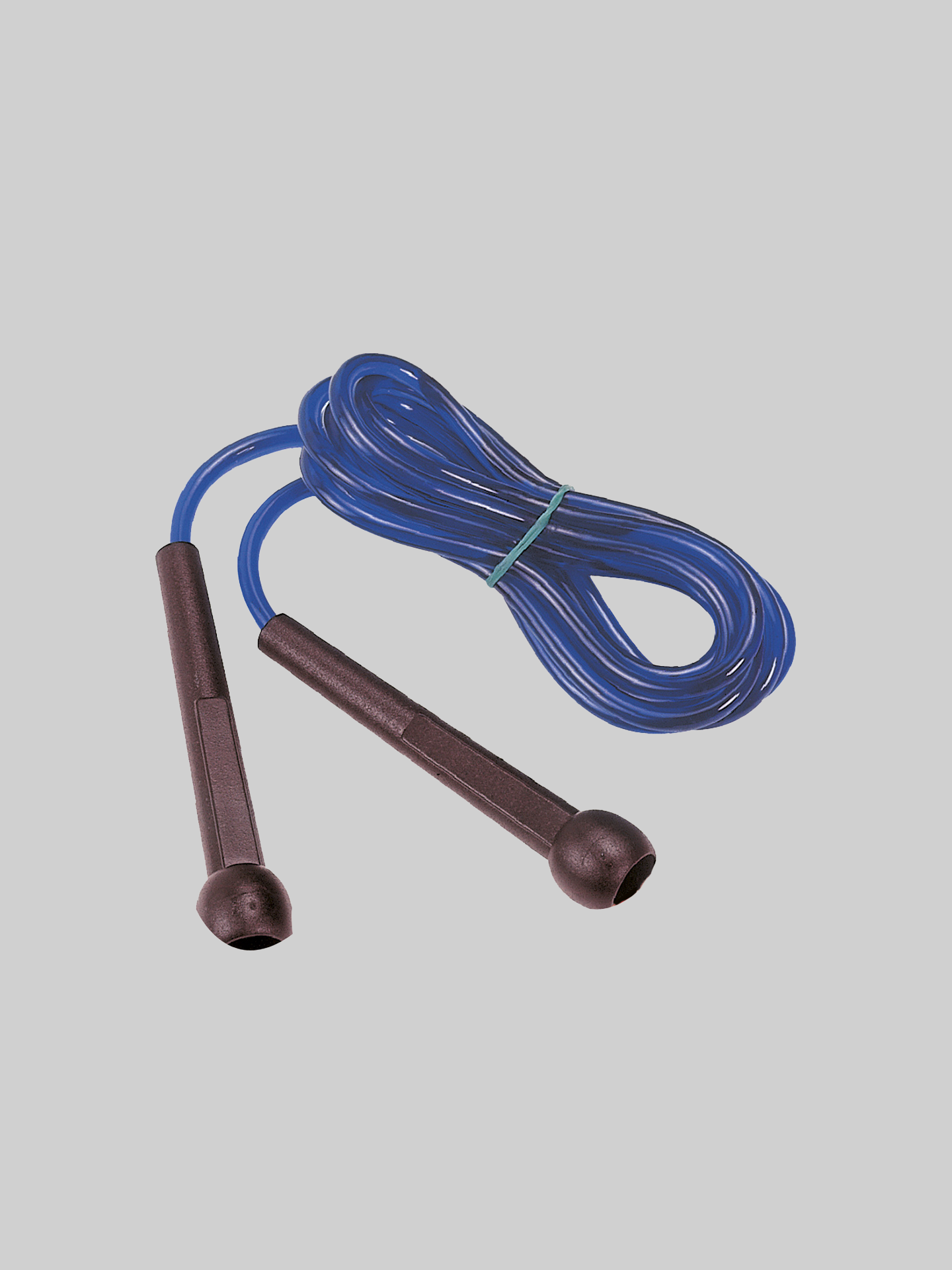
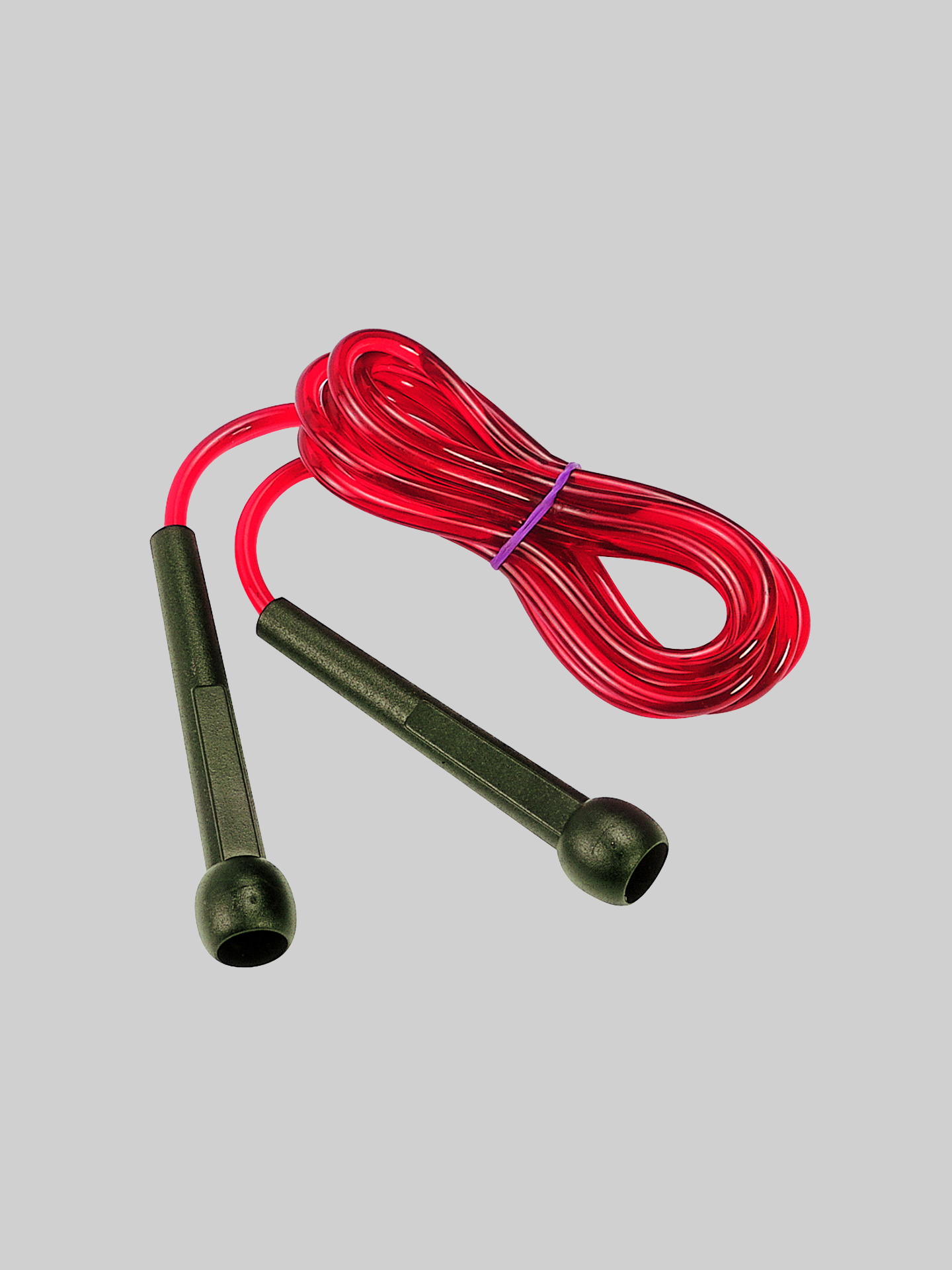
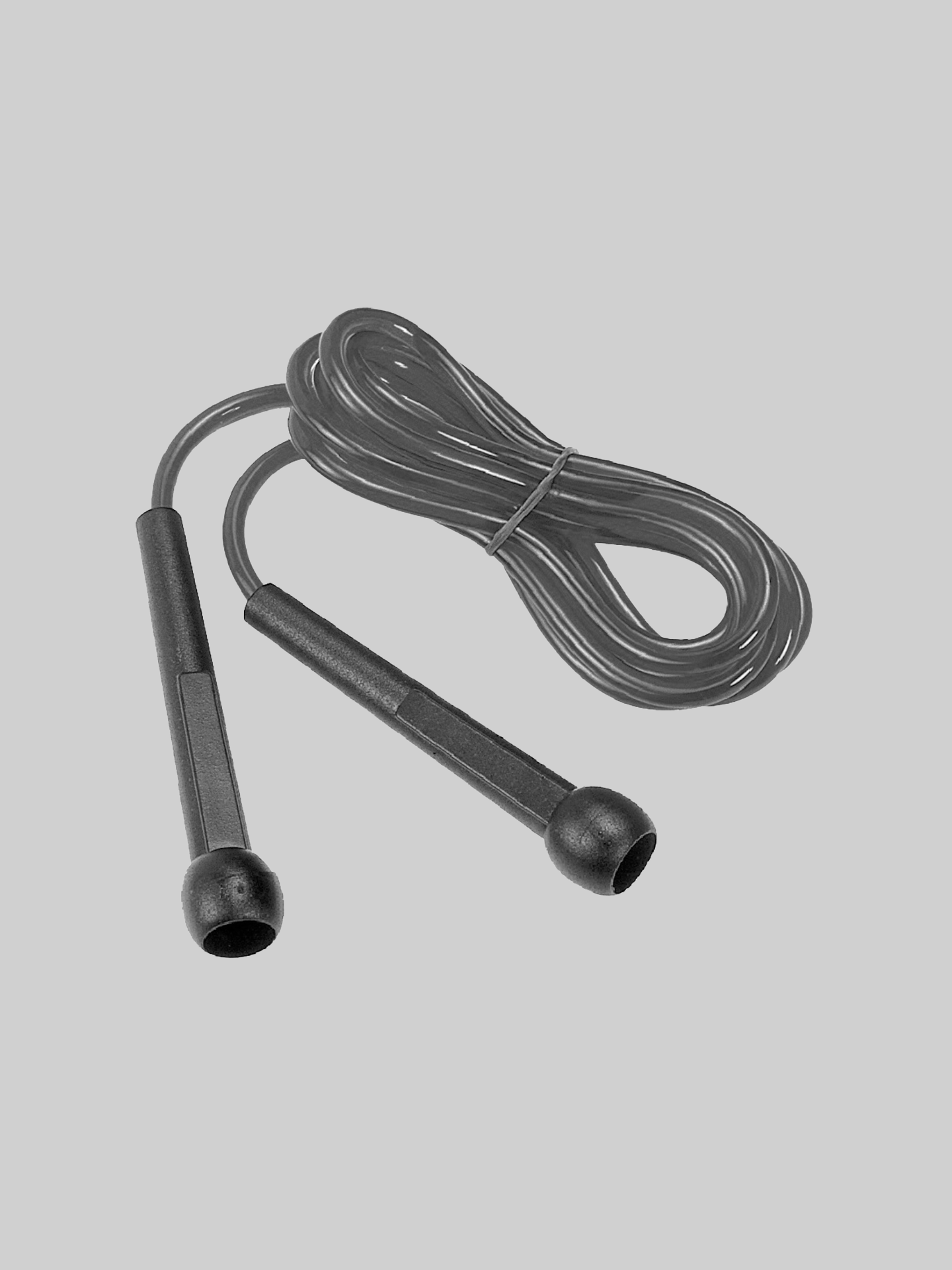
Not all ropes are created equal, and the right choice depends on your goal. For a beginner, a lightweight ball rope or coated cable rope, easy to turn, helps find the rhythm without getting tangled in your feet. For more intense work, focused on speed or double jumps, a thin steel cable rope accelerates rotation. The common point for all levels is the length adjustment: standing up, with one foot placed in the center of the rope, the handles should reach armpit height. A rope that is too long slows down the movement and increases tangles. This accessory fits in a bag, takes up almost no space, and slips into any fitness session, whether at the gym or at home. Discover our selection of jump ropes to find the model suited to your practice.

A sport accessible to all levels
Jump rope is an excellent exercise precisely because it adapts to everyone. There is no need to be an experienced athlete to get started: a beginner progresses quickly by gradually increasing the duration of their sets. It can be practiced playfully, which also makes it an ideal activity for children, or integrated into a more demanding circuit by alternating it with push-ups, squats, or burpees. It complements strength training without heavy equipment and pairs with almost every sport, from athletics to combat sports.
Each type of practitioner has their own pace: a few minutes to maintain fitness, longer sets to develop stamina and burn fat. A good guideline is to increase the load gradually, without ever pushing through severe fatigue. Results become visible in a few weeks, both in your figure and in your daily energy, provided you remain consistent. This flexibility of use, from simple maintenance to athletic preparation, explains why the rope is found both in a schoolyard and in a boxing gym. Done well, it works the entire body while remaining one of the most cost-effective exercises available.
How to start jump rope properly without getting injured
Start short and consistent: two to three sessions per week, a few dozen seconds at first, in a simple format of 60 seconds of jumping for 30 seconds of rest. Technique protects the joints. The movement comes from the wrists, not the shoulders; the knees remain slightly bent; you jump only two or three centimeters off the ground, landing on the balls of your feet, silently. This detail matters: upon landing, the force on the ground reaches three to four times your body weight. A good pair of cushioned shoes and a calf warm-up significantly reduce the risk of injury, especially during long sessions.
Be careful to progress in stages: increase intensity and duration every four weeks, never all at once, on a surface with good bounce. Jump rope remains an impact exercise: it is better not to do it every day, avoid sessions that are too long and tire the feet, ankles, and knees, and seek medical advice in case of osteoarthritis, medical contraindications, or heart problems. Done well, this precaution is not restrictive at all; it simply ensures long-term progress.
Few tools offer such a ratio between benefits and bulk. In just a few minutes, jump rope works the heart, burns calories, strengthens muscles, refines coordination, and builds footwork, the foundations of a good boxer. Properly adjusted and executed, it has its place at the beginning of every session, before putting on boxing gloves.