
What is the difference between MMA and boxing?
MMA and boxing are often pitted against each other. Two combat sports, two ways of engaging in a confrontation, two visions of the relationship to the body and the opponent. In the ring or in the cage, the fight does not obey the same rules or the same objectives. Boxing relies on precision, rhythm, handwork and guard. MMA opens up the field to a broader confrontation, mixing striking, wrestling, ground fighting and submission. Beyond this opposition, it's not just about permitted or forbidden techniques. The difference lies in the fighting style, physical preparation, mental fortitude, danger, and also the way a fighter progresses in their career. Understanding what truly distinguishes MMA from boxing helps in choosing one's discipline, club, training, and approach to combat sport.
Boxing is a combat sport focused on punching and the ring
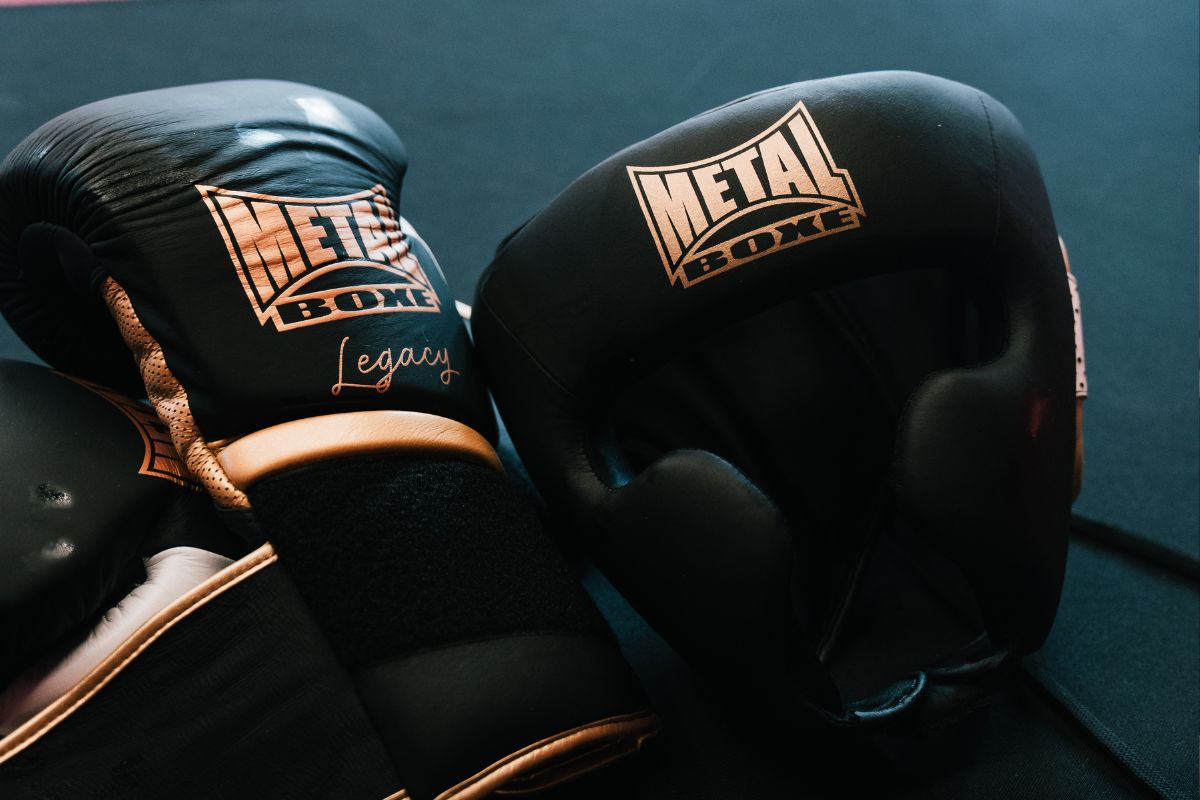
Boxing is a striking combat sport that relies almost exclusively on punches. In its most known form, English boxing, the boxer faces their opponent in a square ring, equipped with gloves, under strict rules. This equipment, especially boxing gloves, plays a central role in protecting the hands and absorbing impacts during exchanges. Strikes are allowed to the face and body, above the belt. No kicks, no knee strikes, no elbows. The fight remains standing, with no takedowns, no prolonged clinching.
Everything is about distance, movement, managing time and rounds. The jab controls space, the straight punch scores points, combinations wear down the opponent. Boxing focuses on reading the fight, the ability to defend, to absorb blows, and to counter at the right time. This discipline, born in the 19th century, has built a rich history, structured by weight categories, belts, titles, and a highly codified progression, from the first amateur fight to the highest level.
MMA offers a complete and mixed form of combat
MMA (mixed martial arts) is based on a radically different logic. Here, the fight is not limited to punching. The MMA fighter can strike with fists, feet, knees, shins, use elbows, throw their opponent, take them to the ground, control, submit. Exchanges are made with specific protections, such as MMA gloves, designed to allow both striking and grappling. The fight takes place in a cage, often octagonal, which prevents escape and promotes contact. MMA combines bases from boxing, kickboxing, Muay Thai, wrestling, judo, and especially Brazilian Jiu-Jitsu, a central discipline for grappling and arm locks.
This modern form of combat developed from vale tudo, before being regulated by organizations such as the Ultimate Fighting Championship. MMA is not a no-holds-barred fight without rules. It adheres to precise regulations, validated by athletic commissions, with a time limit, forbidden fouls, and a focus on regulated safety.

Very different rules between MMA and boxing
The difference between MMA and boxing begins with the rules. In boxing, the framework is simple and strict. A striking combat only, no grabbing, no throws, no ground work. The referee quickly separates fighters in case of a clinch. The fight is won by KO, referee stoppage, or decision on points. In MMA, the rules allow for several phases. The fight can start standing, continue with wrestling, go to the ground, and then return to striking. Ground and pound (strikes on the ground) is allowed, as are submissions. An MMA fight can end by KO, TKO, joint lock, or choke.
This variety completely changes the tactical approach. The fighter must know how to strike, but also how to fall safely, get back up, control an opponent on the ground, and manage energy over a longer round. The difference is not due to greater violence, but to a much wider variety of situations.
A different physical and mental approach
Physically, boxing and MMA stress the body in different ways. Boxing develops specific cardio, based on explosiveness, repetitive blows, footwork, and endurance over several short rounds. Work on the punching bag, sparring, movement and coordination sessions are central to training. To withstand these constraints, practitioners use dedicated equipment, including boxing protections, which limit trauma during exchanges and intensive training phases.
In MMA, physical condition must cover more parameters. The fighter works on strength, endurance, mobility, resistance to clinching, and the ability to sustain prolonged effort on the ground. Mental fortitude plays a major role in both disciplines, but it is expressed differently. In boxing, one must accept the stand-up exchange, the constant face-to-face. In MMA, one must remain clear-headed even in a dominated position, stuck against the cage or under the opponent's weight, which involves the regular use of MMA protections adapted to the diversity of combat phases. This management of stress, breath, and danger shapes very different profiles.
How does a boxing match unfold?
A boxing match follows a clear, repetitive, almost ritualistic structure. Two boxers, a ring, rounds of fixed duration, usually three minutes, separated by a minute of rest. Everything takes place standing. The goal is to hit the opponent with clean, precise punches, while avoiding being hit.
The jab is used to measure distance, break rhythm, and prepare for heavier attacks. The straight, hook, or uppercut aim to score points, sometimes to turn the fight around. The guard protects the head and face, movements allow for avoiding direct contact. The referee intervenes little, except in case of a knockdown or prolonged clinch. Victory can come by KO, medical stoppage, or judges' decision. Every round counts. Boxing is often won by attrition, by managing time, breath, and the ability to remain clear-headed when fatigue sets in.

How does an MMA fight unfold?
An MMA fight follows a much more open logic. It takes place in a cage, over longer rounds, often five minutes. The fight starts standing, but nothing forces the fighters to stay there. A striking exchange can turn into a takedown in a fraction of a second. The MMA fighter must be ready for anything.
Punches, kicks, knees, elbows, throws, ground control, submission. Each phase requires a different reading. On the ground, ground and pound allows striking while controlling. Joint locks and chokes, from Brazilian Jiu-Jitsu, can end the fight without a final strike. The time limit exists, but the pressure is constant. The cage prevents escape, favoring clinching. The fight is won by KO, TKO, submission, or decision. This form of combat requires constant adaptation, a global vision, and the ability to remain dangerous in all positions.
Is MMA more dangerous than boxing?
The question of danger often comes up when comparing MMA and boxing. In reality, the risks are not in the same place. Boxing exposes one to repeated blows to the head, sometimes over a long career. Impacts are numerous, even in won fights. MMA distributes contact areas more broadly. The body, legs, and ground come into play. Fights can end faster, especially by submission, which sometimes limits the accumulation of strikes.
Injuries exist in both disciplines: cuts, fractures, trauma. MMA is impressive in its variety, but it is governed by strict rules, validated by athletic commissions. Boxing, being older, also has its protocols. The difference lies less in violence than in the nature of the impacts. One wears down the skull through repetition, the other multiplies risky situations. No combat sport is without consequences. The choice often depends on one's tolerance for contact and how one wishes to approach combat.
Which discipline to choose between MMA and boxing?
Choosing between MMA and boxing depends on one's profile, preference, relationship with contact, and desire for variety. Boxing suits those who appreciate apparent simplicity, stand-up dueling, and work on movement and precision. It offers clear progression, with weight categories, well-structured amateur competitions, sometimes leading to the Olympic Games.
MMA attracts practitioners who seek a more complete approach, combining striking, wrestling, and ground work. It requires more learning time but allows for the development of a high overall skill level. For a beginner, the club environment plays a major role: atmosphere, pedagogy, safety. Some start with boxing before transitioning to MMA. Others take the opposite path. There is no universal answer. Each combat sport shapes the body and mind in its own way.
The history of MMA and boxing explains their differences
English boxing developed in the 19th century, with precise rules, gloves, rounds, and a ring. It quickly became a popular, organized sport, spread worldwide. MMA is much more recent in its current form. It draws its roots from pancrace, vale tudo, and confrontations between martial arts. The modern turning point came with the Ultimate Fighting Championship, driven by figures like Dana White, and fighters like Royce Gracie, who demonstrated the effectiveness of Brazilian Jiu-Jitsu against larger or heavier opponents.
Other organizations like Pride Fighting Championships contributed to its global popularization. In France, the evolution was slower, until the official opening regulated by the French federation and broadcast on RMC Sport. This history explains why MMA is often perceived as more modern, more mixed, whereas boxing is part of a long and codified tradition.

Training, progression, and career in both disciplines
Boxing training relies on repetition. Punching bag work, jab practice, footwork, sparring, cardio. These sessions heavily utilize specific equipment like punching bags, which allow for developing power, precision, and endurance without direct opposition. The sessions are fast-paced, demanding, and focused on striking and defense. Progression follows clear stages, from the first amateur fight to regional, national, and then professional titles.
In MMA, training is more fragmented. One session might be dedicated to grappling, another to striking, another to ground work. The practitioner combines boxing, kickboxing, Muay Thai, wrestling, judo, jiu-jitsu. The physical load is high, and recovery becomes a key factor. Careers can be shorter, but also more varied. Some fighters specialize, others become very well-rounded. Figures like Randy Couture or, more recently, Benoît Saint Denis illustrate this evolution toward a fighter capable of doing everything, at a high level.