
Jump rope program: improve week after week, all levels
Jumping rope without a plan quickly leads to the same three-minute round repeated without progress. A proper jump rope program structures the effort: it sets a frequency, paces the intensity, and increases the volume over the weeks, transforming a few jumps into cardio and coordination work that makes progress. This guide explains how to build your program, offers an eight-week progression plan, and then outlines programs tailored to each goal, from pure cardio to weight loss, including boxing preparation. If you are starting from scratch, begin with our jump rope for beginners guide before following this program.
How to build a jump rope program?
A good program is based on three settings: frequency, duration, and intensity. For frequency, three to four sessions per week are enough to make progress while allowing the body to recover. Duration is measured in minutes of actual jumping, excluding breaks: start with ten minutes and gradually increase to twenty or thirty. Intensity, finally, is adjusted by the pace of the jumps and the length of the breaks between sets.
Each session follows the same structure: a three-to-five-minute warm-up jumping slowly, a block of work in sets, then a cool-down. Progression comes from a simple principle: increase one variable at a time, never everything at once. Lengthen the jumping time one week, reduce the breaks the next, then add a variation. This pacing avoids both stagnation and overtraining, and keeps motivation intact.
Before choosing a program, assess your level and your needs. A beginner needs to establish technique before volume, while an experienced jumper seeks to measure their progress and push their limits. Take a minute to measure your starting point: how long can you jump steadily without stopping? This benchmark guides the choice of the right program level and leaves room for realistic progress, regardless of your goals and current needs.

A jump rope program to progress over eight weeks
This plan is intended for a practitioner who already masters the basic jump and seeks to increase volume. Count on three sessions per week, with a recovery day between two. The principle is to lengthen the jumping time and reduce breaks over the weeks.
Weeks 1 and 2: eight one-minute jumping sets, one minute of break. Establish the volume without pushing the pace.
Weeks 3 and 4: eight one-and-a-half-minute sets, forty-five seconds of break, adding an alternating jump every two sets.
Weeks 5 and 6: six two-minute sets, forty-five seconds of break, with knee raises during the last minute of each set.
Weeks 7 and 8: five three-minute sets, like a boxing round, thirty seconds of break, varying the footwork. At the end of this cycle, you can hold fifteen minutes of actual jumping and you are ready to move on to goal-oriented work.
Adapting your jump rope program to your goal
The same plan does not serve all goals, and the rope is adjusted to each. For cardio and endurance, we favor long sets at a steady pace, around seventy to eighty percent of your maximum, over twenty-to-thirty-minute sessions. The heart works over time and endurance improves session after session.
For weight loss, we combine fast sets and short breaks to maintain a high expenditure, the rope remaining one of the exercises that burn the most calories per minute; our article on jump rope and weight loss details this approach. For strengthening, we add variations that work the legs and core, such as tuck jumps or knee raises, to build lower body muscle and strengthen the calf and thigh muscles. This is one of the benefits of a regular program: the same work develops both stamina and muscles. Each goal keeps the same base, but paces the pace, volume, and variations differently.

Variations to incorporate into your program
Varying the jumps breaks the monotony and develops coordination. The alternating jump, one foot after the other like running in place, remains the first variation to add. Knee raises increase intensity and cardio, while tuck jumps, feet together brought toward the chest, work the core. The skier step, from one side to the other, works lateral footwork. The jumping jack jump, with legs and arms spreading, adds the upper body to the movement and increases expenditure. The boxer step, slightly shifting the weight from one foot to the other, maintains the pace without tiring. Each variation is first worked slowly, taking care of the technique and the foot roll, from the toe to the heel, before accelerating.
Advanced practitioners incorporate the double turn, or double under, where the rope passes twice under the feet with each jump, a movement demanding speed and timing. It is added in small doses, a few jumps per set, before lengthening its duration. The rule remains the same: introduce one variation at a time, master it, then establish it in the program. This diversity maintains progress well after the first few weeks.
On the technical level, keep your hands low, the left hand and the right hand turning the rope symmetrically, and rest slightly on the balls of your feet taking care of the step roll. These details, measured from one session to another, allow all levels to progress: from the practitioner who has just started and seeks consistency, to the advanced jumper who wants to improve their cardio activity and refine their technique.
A jump rope program for boxing
In boxing, the jump rope is worked to the rhythm of the fight, in rounds. A typical program strings together three to five three-minute jumping rounds, with one minute of recovery between each, exactly like in a ring. This format develops the specific endurance of the boxer, the rhythm of the footwork, and the lightness of the footwork, three qualities that are then found on the bag and in training.
The boxer varies the jumps during the round to reproduce the changes of pace of the fight: basic jump to recover, knee raises or double turn for accelerations. The rope then serves as much as a warm-up at the beginning of the session as a full-fledged cardio workout. Complete this program with a punching bag and gloves for a complete workout, from jumping to striking.

Jump rope interval training: the HIIT program
Interval training, or HIIT, takes advantage of the intensity of the rope for short and dense work. The principle alternates phases of fast jumping and phases of recovery, over a reduced total time. A simple format strings together thirty seconds of jumping as fast as possible and thirty seconds of recovery, repeated for ten to fifteen minutes. The expenditure remains high long after the session.
This type of program is suitable for those who lack time or seek to restart a plateauing progression. One to two interval sessions per week are enough, keeping longer and more regular sessions the rest of the time. Listen to your body: interval training is demanding, it is better to introduce it once the endurance base is established, never in the first week.
Integrating the jump rope into CrossFit and fitness
The jump rope goes far beyond boxing: it is a full-fledged fitness and CrossFit tool. In CrossFit, the double turn, or double under, appears in many workouts of the day, associated with other movements for a complete physical workout. The rope brings an intense cardio component without bulky equipment, a valuable advantage in a busy session where every minute counts.
In fitness, the rope is integrated into a circuit to restart the cardio between two strengthening exercises. It works the legs, calves, and core, while indirectly working the arms and shoulders through the continuous rotation of the wrists. Adding two to three minutes of jumping between the stations of a circuit improves expenditure and overall fitness. This versatility explains why the rope has so many benefits: the same activity serves cardio, strengthening, and coordination, from the beginner who is discovering it to the experienced athlete who is refining their condition. Regardless of the setting, it complements the training without replacing it.
Tracking your progress and avoiding stagnation
A program is managed by measuring. Note the actual jumping time, the number of sets, and the breaks of each session: seeing these numbers go up over the weeks fuels motivation and confirms progress. A simple notebook or a note on the phone is enough to keep track from one session to another.
When progress slows down, several levers restart the machine: add a variation, reduce breaks, lengthen a set, or slip in an interval session. The body adapts to what we impose on it, so we must change a variable to continue moving forward. Always keep an easy session in the week to recover: progression comes as much from work as from rest.
The right equipment to follow your program
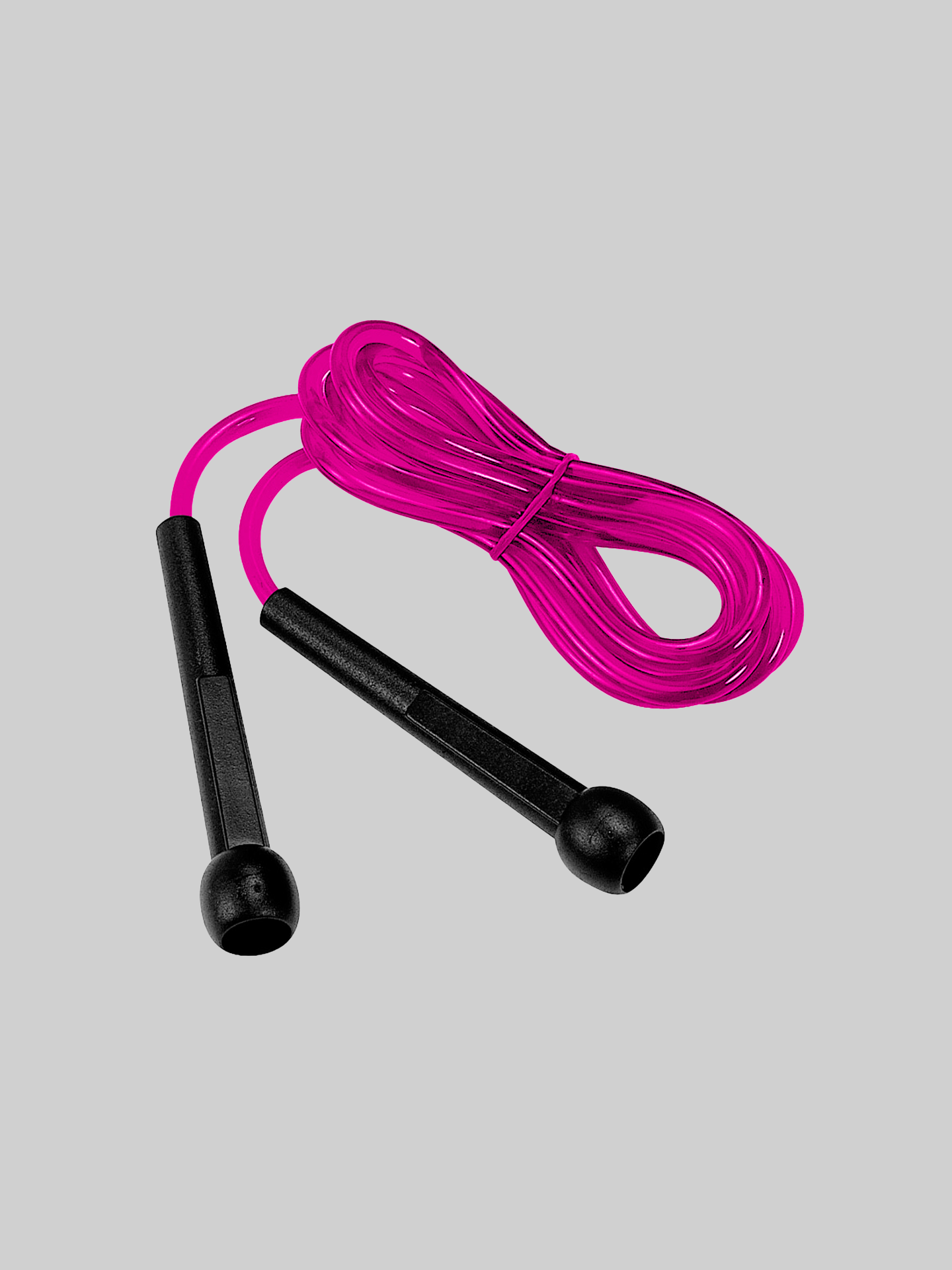
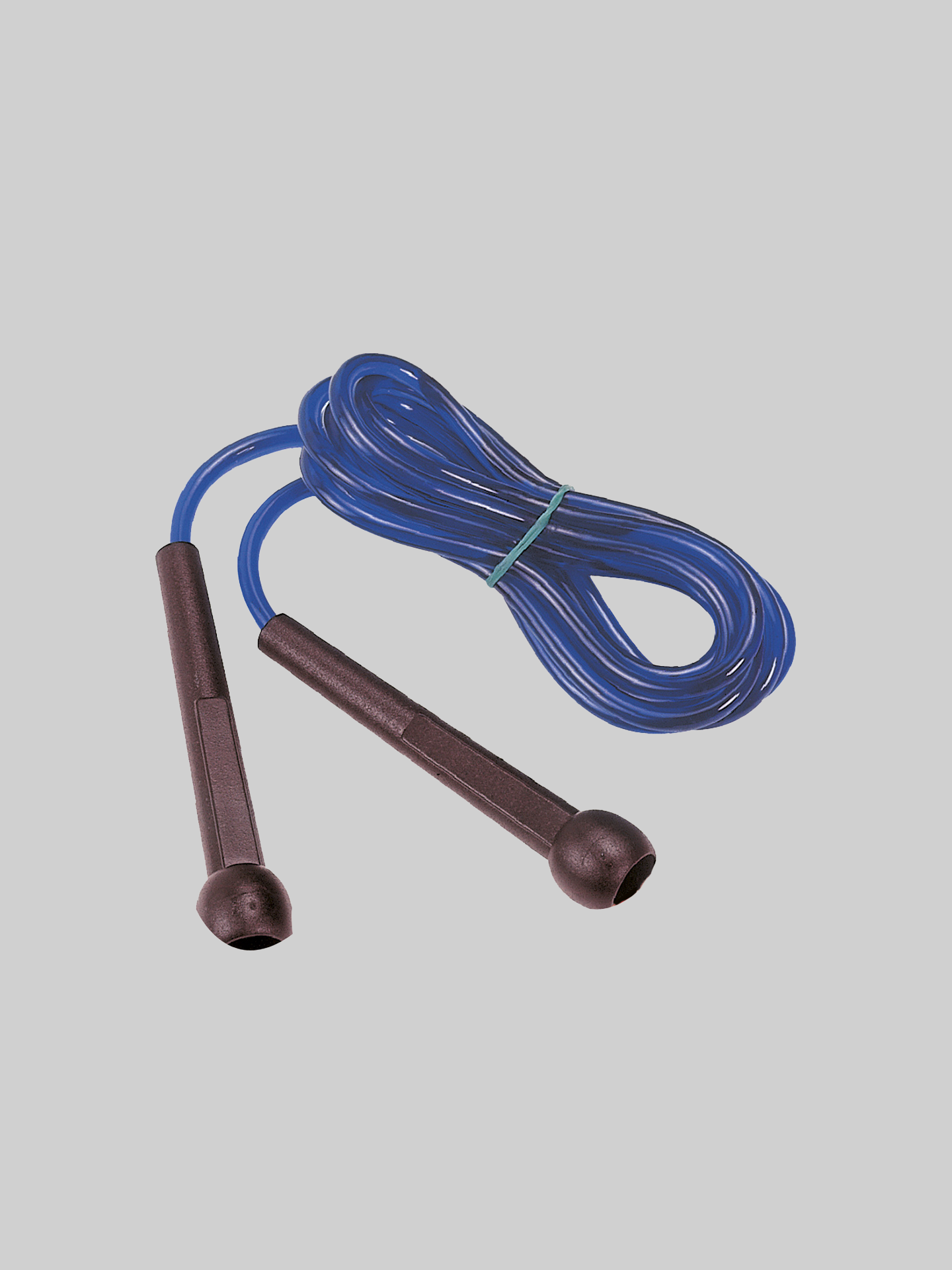
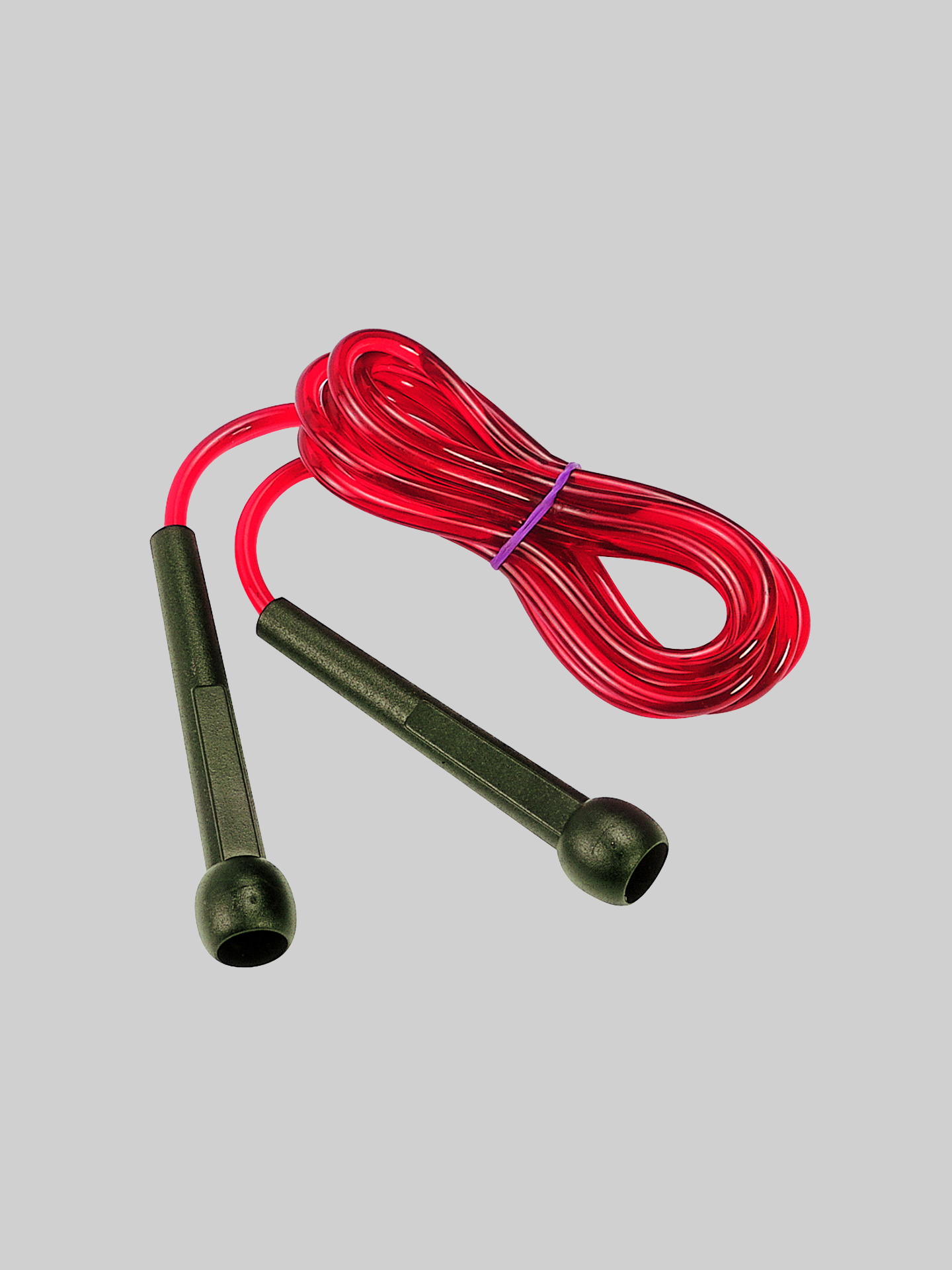
A regular program requires a reliable and well-adjusted rope. The Prima PVC rope, lightweight and easy to adjust, is suitable for the entire spectrum of the program, from the basic jump to fast variations. Easy to carry, it allows you to jump at the gym as at home, without depending on a location or a time slot.
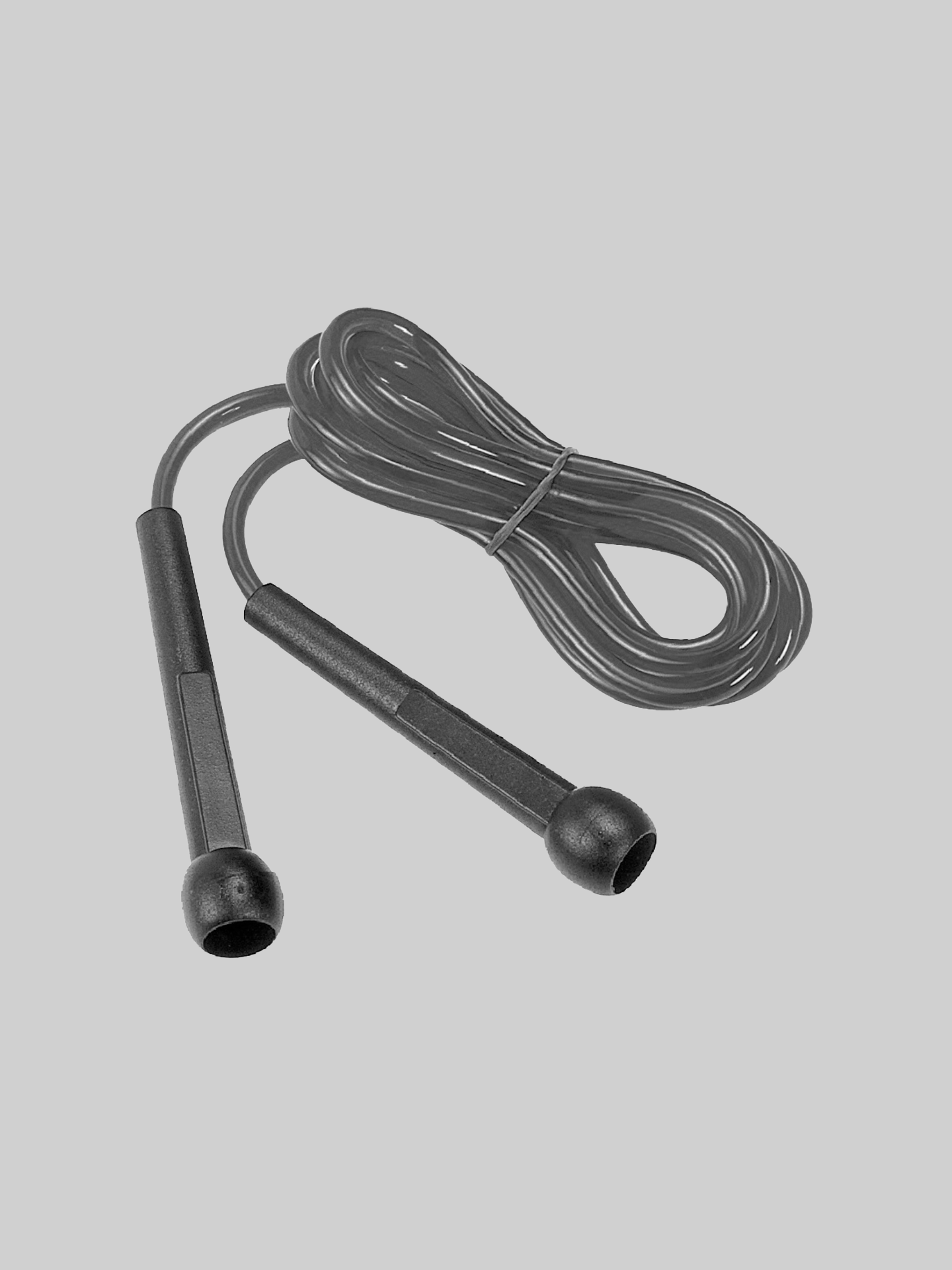
Discover our selection of jump ropes to choose the rope adapted to your program. Metal Boxe, a French combat sports brand since 1999, designs its equipment in Toulouse in collaboration with coaches and fighters, with free shipping from €40 of purchase.