
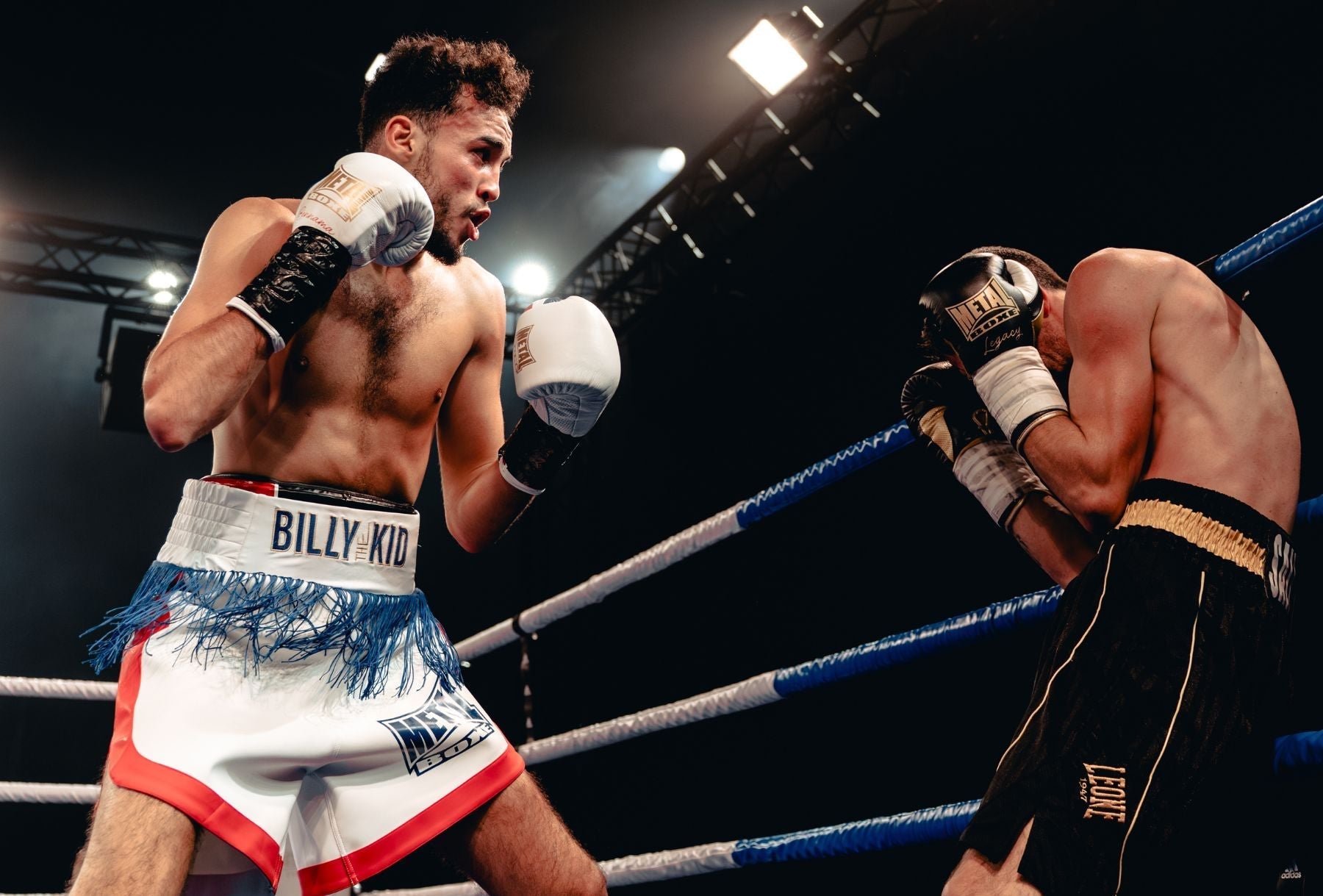
French vs. English Boxing: two disciplines with opposing styles
The difference between French and English boxing intrigues many combat sports enthusiasts. These two disciplines belong to the broader boxing family, but their rules, authorized blows, and philosophy are distinct. French boxing, also known as savate, is a European martial art, combining punches and kicks. English boxing, dubbed the noble art, relies solely on the use of fists. Each has its codes, history, training style, and advantages. Understanding these differences allows for a better choice of practice and exploration of the richness of combat sports.
The history and origin of French and English boxing
To fully grasp the difference between French and English boxing, one must look back at their origins. English boxing traces its roots to 18th-century England, where bare-knuckle fights already drew crowds. Rules were quickly established, and the wearing of gloves became mandatory to ensure the safety of combatants. It rapidly spread worldwide and became an Olympic discipline in 1904.
For its part, savate French boxing emerged in the 19th century in Paris, often associated with sailors and soldiers who sought to develop a complete martial art, based on the use of fists and legs. It draws inspiration from kicking techniques already used in the streets and adapts them into a codified form. Recognized as a sport in its own right, this style gave birth to the French federation of savate, which still supervises competitions today.
Rules of French and English boxing: which blows are allowed

English boxing focuses exclusively on punches (jab, hook, uppercut). Strikes must be delivered with the front part of the glove and can only target the body and head. Any blow delivered with the back of the hand, arm, or elbow is prohibited. The confrontation takes place in a ring, over several three-minute rounds, with a jury that scores points based on the precision and power of the blows.
French boxing allows both punches and kicks (side kick, front kick, low kick). Strikes must always be controlled and delivered with precision to authorized areas of the body. Shin or knee strikes, allowed in Thai boxing, are prohibited here. Fighters wear specific shoes, which reinforces the technical and codified nature of the discipline. This variety of movements makes the style more fluid and unpredictable for the opponent.
Style and technique: how French and English boxers fight
In English boxing, everything revolves around arm and upper body work. The boxer must develop arm speed, power, and a sense of timing. Cardiovascular management is crucial, as each round demands high intensity. Training emphasizes rapid combinations, hand defense, and short movements. The goal is to hit quickly and hard to accumulate points or cause a KO.
French boxing requires different flexibility and muscle control. Fighters must know how to use their legs with precision, which implies more varied technical work. Attacks to the body, legs, and face require constant reading of the fight. A well-placed side kick can break the rhythm, while a punch-kick combination can surprise the opponent. The style is more aerial, more fluid, and gives the impression of a martial dance.
Equipment needed in French and English boxing
One of the major differences between French and English boxing also lies in the equipment. In English boxing, fighters only wear boxing gloves, boxing shorts, a mouthguard, and sometimes a boxing helmet for amateurs. The priority is placed on protecting the head and torso.
In French boxing, the equipment includes specific shoes essential for delivering kicks, adapted French boxing gloves, a mouthguard, a groin guard for men, a sports bra for women, and often shin guards during training. Protection is therefore more complete, as there are more impact zones. This detail radically changes the preparation and fighting experience.
Categories, pace, and duration of fights in French and English boxing
In English boxing, fights take place according to precise weight categories, ranging from flyweight to heavyweight. Each category imposes a level of physical engagement and power. A fight generally lasts 3 rounds of 3 minutes for amateurs, up to 12 rounds for professionals. The duration and pace test the boxer's endurance and recovery capacity.
In French boxing, there are several types of practice: assaut (no KO sought, priority to technique and control), combat (where power is allowed), or variations like light contact. Competitions are overseen by a jury, which scores the precision of blows, variety, and technical mastery. This allows participants of different levels to take part and progress without necessarily seeking to defeat their opponent by KO.
Training and physical preparation: differences between French and English boxing

Physical preparation also illustrates the difference between French and English boxing. An English boxer will focus on upper body strengthening, punch power, and the ability to combine quickly. Training circuits include a lot of bag work, jump rope, and shadow boxing. The goal is to optimize cardio and arm speed to maintain a high pace throughout the fight.
In French boxing, training requires greater variety. The combatant must work on hip flexibility, leg strength, and the fluidity of combinations. Exercises include working on kicks on the bag, precision drills to place high and low touches, and coordination exercises to transition from punch to kick. It is a discipline that engages the whole body, offering more complete muscle development and better physical balance.
How to choose between French and English boxing
The difference between French and English boxing can guide a beginner's choice. A practitioner looking for a more direct sport, focused on power and upper body strategy, will find what they're looking for in English boxing. It is the most popular discipline in the world, notably thanks to legends like Muhammad Ali or Mike Tyson, and it remains the symbol of the noble art.
Conversely, those who want a more complete practice, using the whole body, with a more technical and varied dimension, will turn to savate French boxing. This style develops precision, mental mastery, and the diversity of attacks. The variety of authorized and prohibited blows makes it a recognized martial art, highly appreciated in clubs in France. Both women and men find clear advantages in terms of physical development and progression.


