
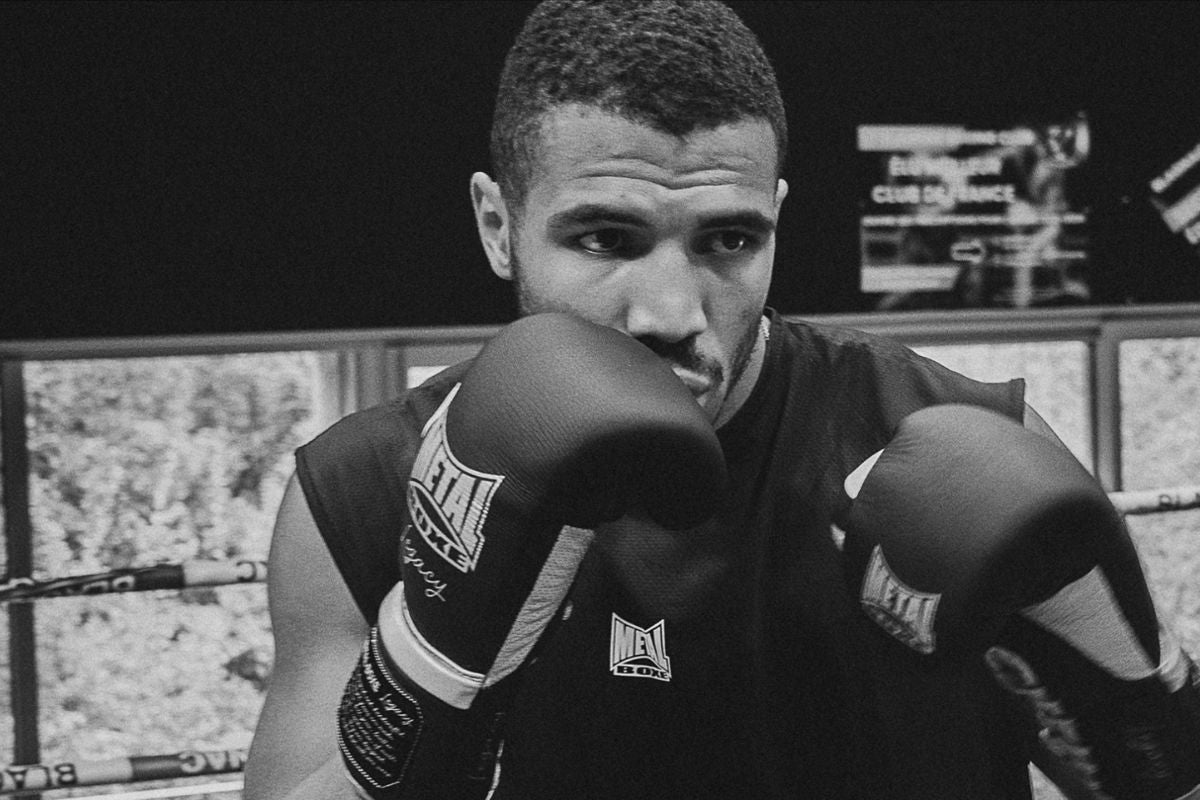
How to improve in boxing?
English boxing fascinates as much as it demands. Behind the beauty of a perfectly placed jab or the power of a well-executed uppercut, there are hours of training, sweat, and discipline. Many wonder: how to improve in English boxing?
The answer is not a magic formula. It relies on structured work, unwavering consistency, and a precise understanding of the fundamentals. Whether you're a beginner or an experienced boxer, each session should be seen as a step towards a higher level. It's about building a body capable of repeating effort, sharpening reflexes, and learning to read an opponent in the confined space of a ring.
Essential basics for improving in English boxing
Before trying to speed up or hit harder, you must master the basics. In English boxing, the fundamentals are based on three pillars: guard, footwork, and punch precision. A solid guard protects the face and body, but it must also allow for quick retaliation. The feet guide everything else. Knowing how to advance, retreat, pivot, or create an angle opens up attack possibilities.
The jab, considered the king punch, sets the distance, breaks the opponent's rhythm, and sets up combinations. Without it, it's difficult to build an offense. A boxer who wants to improve must therefore tirelessly repeat these movements in shadow boxing, on the punching bag, and in sparring with a partner. Champions like Mike Tyson remind us that victory is forged first in the details repeated thousands of times.
Working on your cardio to last several rounds

A boxing match is also won with breath. Endurance is the basis of a body capable of lasting several rounds with intensity. Working on cardio then becomes a priority. The methods are varied: jump rope, running, high-intensity intervals, or circuits combining punches and footwork. The rope remains a legendary exercise in the boxing world.
It develops rhythm, foot coordination, and a physical condition capable of chaining without weakening. Three minutes of rope, one minute of rest, and you start again: it's the same pattern as a fight. A boxer who neglects their cardio cannot exploit their power or technique as the rounds progress. To improve in English boxing, strengthening your breath is therefore a must.
Improving your technique and punch precision
Every punch in English boxing has a function. The straight punch hits fast, the cross breaks the line, the hook breaks the guard, the uppercut punishes in close combat. Knowing how to place them at the right time requires surgical precision. A simple exercise consists of repeating combinations on a bag: jab-cross, jab-hook, uppercut-hook-cross.
Each sequence must be performed at progressive intensity, then at maximum repetition to develop muscle memory. Common mistakes? Arming the punch, hitting too wide, or forgetting to keep the opposite hand in protection. A good coach corrects these flaws and adjusts the movement. Adapted training boxing gloves allow you to chain series without injury and work on precision over time. To improve striking, body rotation and leg anchoring are as crucial as arm strength. Power comes from the ground, not just the fist.
Using sparring to put your skills into practice
Sparring is the stage that transforms theory into real practice. Facing a partner, the boxer learns to manage stress, timing, and reading the opponent. This is where automatisms are built. A jab practiced hundreds of times in shadow boxing becomes a weapon when it prevents an opponent from advancing. A movement learned in the gym finds its function when it creates an opening to land a cross. There are several forms of sparring: light, themed, or higher intensity.
Each type has its role. Light sparring allows you to test a technique without injury. Hard sparring brings you closer to combat conditions, but it must be supervised to avoid excesses. In combat sports, progressivity is key: you build confidence before increasing intensity.
Methods to improve faster in English boxing
Many want to know if there is a method to accelerate progress. The truth is, everything depends on regularity. Three or four structured sessions per week are enough for a motivated beginner to reach new levels in a few months. The ideal is to combine:
- shadow boxing to perfect movements without resistance
- punching bag for power and rhythm
- jump rope drills for cardio and coordination
- sparring to put into practice
A well-constructed program alternates phases of volume and recovery. Not respecting recovery risks injury and slows down progress. By working regularly, you can significantly improve your abilities in six months, with transformed physical condition and a more fluid technique.
Developing strength and explosiveness through physical training
A boxer must be complete. Strength, explosiveness, and resistance also come from adapted muscular work. Boxing-specific weight training focuses on the core, legs, and shoulders. Exercises with medicine balls, push-ups, pull-ups, squats, and planking build a solid foundation.
The goal is not to have a massive body but a body capable of repeating short, explosive efforts. A fast jab, a powerful hook, or a fluid dodge rely on this invisible preparation. Progress is seen in the rhythm of the fight, not in the mirror. Integrating two physical sessions per week improves punching power and reduces the risk of injury.
Training at home: English boxing exercises at home
Not everyone has access to a club every day. However, it is possible to train effectively at home. Shadow boxing remains an excellent way to maintain automatisms. Jump rope can be practiced in a small space and develops coordination. Abdominal sessions, push-ups, burpees, or squats strengthen general physical capacity.
For the punching bag, there are models suitable for home use. Ten to fifteen minutes of intensive work are enough to keep the rhythm and repeat the fundamentals. The important thing is to vary the combinations, respect the round times, and maintain regular intensity. Even without a partner, you can simulate an attack, a movement, a dodge, and gradually improve.
The contribution of a coach and a club to progress
A good coach makes a difference. They correct, they motivate, they build a coherent program. In a club, emulation pushes you to give your best. Boxers train together, compare themselves, encourage each other. It is also the place where you learn to manage a real fight. The practical advice of a coach, their live corrections, are worth more than hours of working alone. They help identify flaws, perfect the guard, and find the right tempo in a combination.
The presence of a regular partner in the gym also gives a social dimension to the practice. English boxing is not just a sport; it's a universe where you build yourself with others.
Common mistakes that hinder progress
To truly improve in English boxing, you must also know what not to do. Wanting to hit too hard from the beginning often leads to losing balance and exposing yourself. Neglecting the guard leaves the head open to a direct counter. Forgetting to move your feet freezes the body and makes you predictable. Always training at the same intensity without varying efforts limits progress.
A boxer must alternate fast and slower phases to develop speed and control. Finally, not listening to your body risks injury. Stretching, active recovery, and minutes of rest between rounds are part of the overall effort.
Drawing inspiration from champions to improve in boxing
Observing the best remains a way to progress. Mike Tyson, with his body-head combinations, showed the strength of a simple but implacable strategy. High-level boxers all use the same basics: regular jab work, intelligent footwork, sustained cardio, and repetition of the same movements until perfection.
Watching a championship fight is not free entertainment: it's a real-life lesson. Every movement, every reflex, every attack is a lesson for anyone who wants to become better.